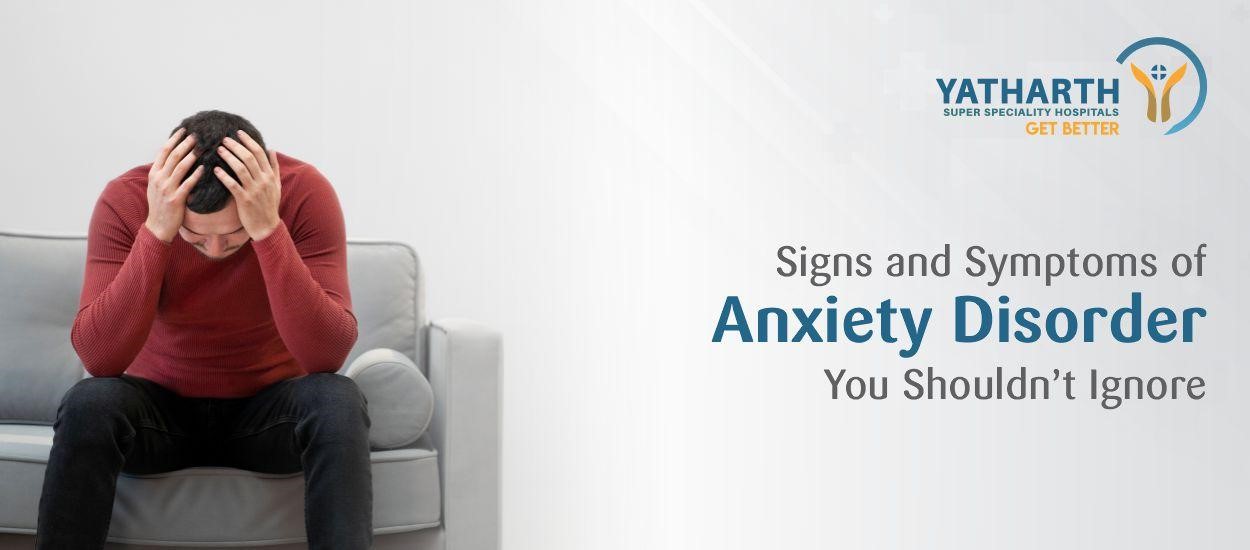


Anxiety is a normal human reaction to stress, uncertainty, or difficult situations. Most people feel a bit nervous before an exam, job interview, or big life event. But if worries become too long-lasting and you start to feel as if they are controlling your life, you may have an anxiety disorder, not just normal stress.
Anxiety disorders are also the most prevalent mental health issue worldwide attributable to disability, and implicit in these figures is that people of all ages are affected. Early identification and awareness of symptoms of anxiety disorder enable a person to get support sooner and reduce the chances of symptom escalation. Knowing what to look for is a good step in the right direction toward better mental health.
What Is Anxiety?
Anxiety is a sense of dread, panic, or alarm about events that might happen in the future or in the case of unknown consequences. Occasional anxiety is a regular part of living, but constant anxiety without an obvious cause or anxiety that lingers long after a stressful event can be a sign of an anxiety disorder.
They can influence the way you feel emotionally and the way you think; they can impact your physical health; they can change the way you interact with others; and they can alter how you perform at work and the overall quality of your life.
Types of Anxiety Disorders
There are various types of anxiety disorders, each having different characteristic features:
- Generalized Anxiety Disorder (GAD): Persistent and exaggerated worries about routine life events.
- Social Anxiety Disorder: People may have difficulty making eye contact, speaking to strangers, giving a speech, or feel as though others will scrutinize or judge them.
- Recurrent Panic Attacks: They are sudden feelings of intense anxiety and fear. Specific phobia involves an intense, irrational fear of a certain object or situation.
- Separation Anxiety Disorder: Excessive fear related to separation from loved ones.
Common Anxiety Symptoms
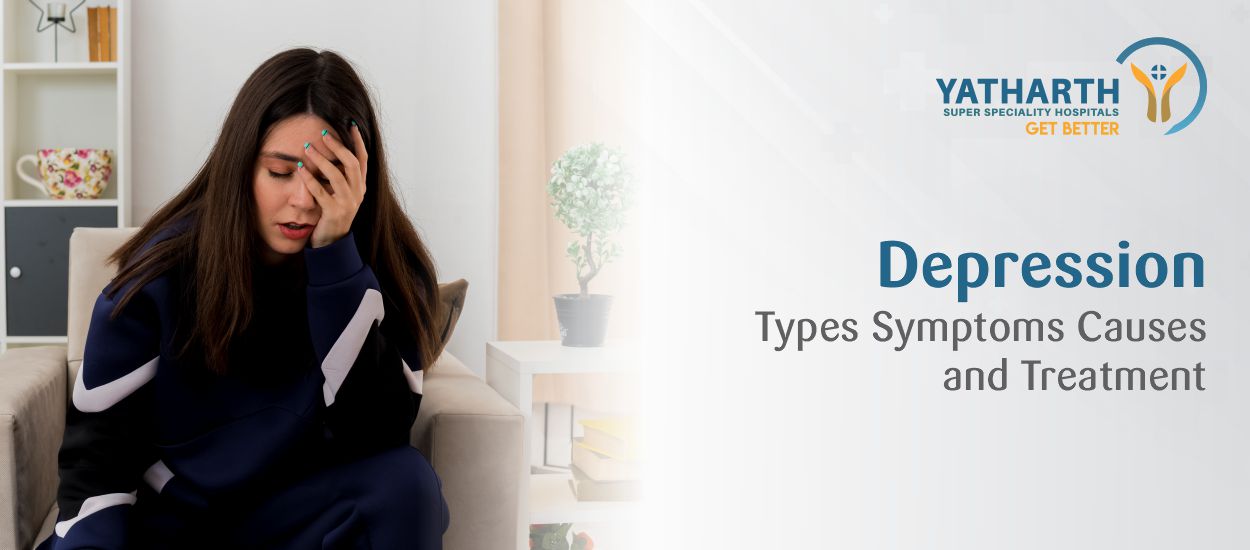
Emotional symptoms of anxiety may include:
- Feeling anxious
- Feeling overwhelmed by routine tasks
- Anxious thoughts can’t be controlled
- Irritability and frustration levels go up
- Restlessness or feeling constantly "on edge"
- Expecting the worst-case scenario
Physical Symptoms of Anxiety
Anxiety is emotional in nature, affecting how we feel, but it also affects us physically, showing signs that you can see and feel.
The most frequent physical symptoms are:
- Rapid heartbeat or palpitations
- Shortness of breath
- Muscle strain
- Headaches
- Too much sweat
- Faintness
- Shakiness or Trembling
- Nausea or digestive discomfort
- Tired even though you’ve slept enough
- Disturbed sleep
These stress and anxiety symptoms can be a result of a situation that is causing great stress in your life.
Symptoms of Generalized Anxiety Disorder
Of all the disorders, generalized anxiety symptoms tend to come on more gradually and be more likely to be ignored.
People with GAD are likely to experience:
- Worries that are unrealistic or unlikely, such as worrying excessively about work, health, money, or family
- Hard to concentrate
- Nervous all the time
- Troublesleeping
- Body aches and tension
- Always expecting trouble
These signs and symptoms can last for months and affect daily life.
Social Anxiety: More Than Shyness
It is often confused with shyness or introversion, but is so much more. Social anxiety disorder is a very real fear of embarrassment, criticism, or negative evaluation.
Signs may include:
- Skipping social activities
- Fear of speaking in public
- An inability to make eye contact
- Being self-conscious to an excessive degree
Social anxiety can inhibit both relationships and educational and career development if left unsupported.
Causes of Anxiety Disorder
There are some possible contributing factors, such as:
- Genetics and family history
- Chronic stress
- Traumatic experiences
- Some medical problems
- Drug abuse
- Personality traits
- Life events
Anxiety is sometimes mild and short-lived, but it may also be long-lasting and lead to an anxiety disorder. "It's usually a combination of a few things: your environment, your psychological state, and your biology or family history of mental illness.
How to Control Anxiety
Learning to manage anxiety is key to enhancing emotional strength and life satisfaction.
Some of the strategies that can help are:
- Regular exercise
- Good sleep hygiene
- Reduce caffeine intake and alcohol consumption
- Using mindfulness and relaxation techniques
- Trying out new hobbies
- Social support whenever needed
- Seek help from a psychologist or psychiatrist whenever required
Early treatment is frequently associated with better outcomes and quality of life.
Treatment for Anxiety Disorders
Anxiety disorders are treatable, and symptoms can be dramatically reduced.
Possible treatments include:
- Cognitive Behavioural Therapy (CBT) or Psychotherapy from a trained mental health professional.
- Stress management strategies
- Lifestyle modification
- Prescribed medicines
Treatment regimens for people should be tailored to their symptom profiles and needs.
When to Get Professional Help for Anxiety
It is important to understand when to seek help for anxiety. Consider professional support if your anxiety:
- Lasts for weeks or months
- Interferes with daily activities
- Results in frequent panic attacks
- Affects your sleep, work, or relationships
Seeking help is not a sign of weakness. Treatment at an early stage can stop symptoms from becoming worse and can also improve mental health in the long term.
Conclusion
Anxiety is a normal part of life, but persistent worry, fear, or physical discomfort should not be overlooked. Knowing the signs of anxiety disorder, including emotional, physical, and behavioural symptoms, can make a difference and help people get support sooner. If it is social anxiety, generalized anxiety, or panic-related symptoms, there are treatment and management options that work. Stigma-free education, timely intervention and expert advice can help change lives for the better.