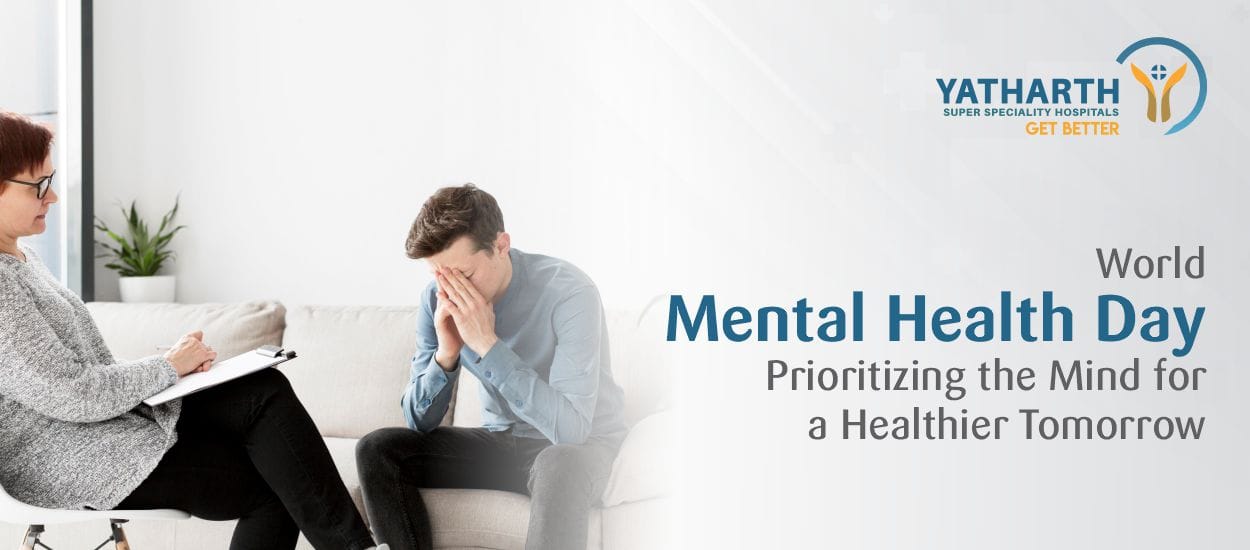


World Mental Health Day 2026 will be observed on 10 October 2026 with the theme “Lived Experiences Heard: Real Voices, Real Change.” The theme emphasizes an important message: people who have personally experienced mental health conditions should not only be listened to but should also have a meaningful role in shaping mental health services, policies, treatment approaches and support systems.
Mental health is an essential part of overall health. Just as we seek medical care when we experience physical symptoms, emotional and psychological concerns also deserve timely attention and professional support.
This World Mental Health Day, the focus goes beyond simply talking about mental health. It is about listening to real experiences, reducing stigma, encouraging compassionate support, and creating mental health systems that are more person-centred and inclusive.
What Is World Mental Health Day?
World Mental Health Day is observed every year on 10 October to raise awareness about mental health issues and encourage action to improve mental health and access to appropriate care around the world.
The day provides an opportunity for individuals, families, healthcare professionals, workplaces, educational institutions and communities to have open conversations about mental health.
It also reminds us that mental health concerns can affect anyone, regardless of age, gender, profession, social background or financial status.
What Is the Theme of World Mental Health Day 2026?
The official theme for World Mental Health Day 2026 is:
“Lived Experiences Heard: Real Voices, Real Change”
The 2026 campaign highlights the importance of involving people with lived experience of mental health conditions in decisions that affect their care and well-being.
A person's lived experience can provide insights that cannot always be gained through textbooks, professional training, or research alone. People who have experienced mental health challenges can help identify barriers to care, improve services, and suggest practical approaches that better reflect the needs of patients and families.
The message is simple:
Nothing about people with mental health conditions should be decided without meaningfully involving them.
Why Does Mental Health Matter?
Mental health influences how we think, feel, behave and interact with others. It can affect relationships, work, education, physical health and everyday decision-making.
Everyone experiences emotional ups and downs. Feeling worried before an important event, being stressed during a difficult period or feeling sad after a loss does not necessarily mean someone has a mental health disorder.
However, when emotional or psychological symptoms become persistent, severe or begin interfering with daily life, professional evaluation may be helpful.
Mental health conditions can include:
- Depression
- Anxiety disorders
- Bipolar disorder
- Obsessive-compulsive disorder (OCD)
- Post-traumatic stress disorder (PTSD)
- Eating disorders
- Schizophrenia and other psychotic disorders
- Substance-use-related mental health problems
Early recognition and appropriate support can make it easier for individuals to manage symptoms and work toward recovery.
World Mental Health Day 2026: Why Lived Experience Matters
One of the most important messages of the 2026 campaign is that lived experience is itself a form of expertise.
Someone who has experienced depression, anxiety, bipolar disorder, schizophrenia or another mental health condition may understand the challenges of accessing care, dealing with stigma, managing treatment and rebuilding everyday life in ways that professionals may not experience themselves.
Meaningful engagement means more than asking someone to share their story.
It can involve people with lived experience in:
- Designing mental health services
- Developing policies
- Planning community programmes
- Evaluating healthcare services
- Peer-support initiatives
- Mental health awareness campaigns
- Training healthcare professionals
- Improving patient experiences
- Identifying barriers to accessing care
According to WHO's 2026 campaign information, meaningful engagement of people with lived experience is still not standard practice across many countries.
Breaking the Stigma Around Mental Health
Stigma remains one of the major barriers to seeking mental health support.
People may avoid professional help because they fear being judged, misunderstood or labelled. Some may believe that asking for psychological support means they are weak or unable to cope.
These beliefs are harmful.
Mental health conditions are health conditions.
Seeking help is not a sign of weakness. It can be an important step toward understanding symptoms, developing coping strategies and improving quality of life.
We can help reduce stigma by:
- Listening without judging
- Avoiding insensitive labels
- Taking emotional concerns seriously
- Encouraging people to seek professional support
- Learning about mental health
- Respecting confidentiality and personal boundaries
- Avoiding assumptions about someone's condition
- Supporting people during recovery
Sometimes, simply saying “I'm here to listen” can make a meaningful difference.
Common Signs That Someone May Need Mental Health Support
Mental health symptoms can vary significantly from person to person. Some signs that may indicate a need for professional evaluation include:
- Persistent sadness or low mood
- Excessive worry or fear
- Frequent panic or overwhelming anxiety
- Significant changes in sleep
- Major changes in appetite or weight
- Loss of interest in activities once enjoyed
- Difficulty concentrating
- Persistent irritability or anger
- Social withdrawal
- Feeling hopeless or helpless
- Difficulty managing everyday responsibilities
- Unexplained physical symptoms associated with emotional distress
- Increased use of alcohol or substances to cope
- Thoughts of self-harm or suicide
Having one of these symptoms does not automatically mean someone has a mental health disorder. However, persistent or worsening symptoms should not be ignored.
Mental Health and Physical Health Are Connected
Mental and physical health are closely connected.
Long-term stress and psychological distress can affect sleep, energy, concentration and daily habits. At the same time, chronic physical illnesses, pain, hormonal changes and other medical conditions can affect emotional well-being.
This is why good healthcare should consider the whole person rather than treating physical and mental health as completely separate.
A healthy lifestyle can support mental well-being alongside appropriate professional care.
Some helpful habits include:
Maintain a regular sleep schedule
Adequate, consistent sleep can support mood, concentration and daily functioning.
Stay physically active
Regular physical activity can support overall physical and emotional well-being. Even simple activities such as walking can be a useful part of a healthy routine.
Eat a balanced diet
Regular, balanced meals can support overall health and energy levels.
Stay socially connected
Maintaining supportive relationships can help reduce feelings of isolation.
Take breaks from excessive screen use
Constant exposure to social media, news and digital content can sometimes contribute to stress and information overload.
Make time for relaxation
Breathing exercises, mindfulness, hobbies, music, reading or spending time outdoors may help some people manage everyday stress.
Seek professional help when needed
Self-care can be helpful, but it should not replace professional treatment when someone is experiencing significant or persistent mental health symptoms.
How Can Families Support Someone Experiencing Mental Health Challenges?
Family members and friends can play an important role in supporting someone experiencing emotional or psychological difficulties.
Instead of immediately giving advice, try listening.
You can say:
- “I'm here for you.”
- “You don't have to deal with this alone.”
- “Would you like to talk about what you're experiencing?”
- “How can I support you?”
- “Would you like help finding a mental health professional?”
Avoid statements such as:
- “Just think positively.”
- “Everyone has problems.”
- “You need to be stronger.”
- “It's all in your head.”
- “You will get over it.”
Support should be compassionate rather than judgmental.
When Should You Consult a Mental Health Professional?
Consider speaking with a qualified mental health professional if symptoms:
- Continue for several weeks
- Are becoming more intense
- Affect work or studies
- Affect relationships
- Interfere with sleep or eating
- Make everyday activities difficult
- Cause significant emotional distress
- Lead to withdrawal from family and friends
- Make you feel unable to cope
A psychiatrist, clinical psychologist or other appropriately qualified mental health professional can help assess symptoms and recommend suitable care.
Why Community-Based Mental Health Care Matters
The 2026 WHO campaign also highlights the importance of moving toward community-based, person-centred mental health care.
WHO notes that people with lived experience often want support that allows them to remain connected with their families and communities while receiving appropriate care. The organization is also emphasizing deinstitutionalization and rights-based mental health services.
Community-based care can involve:
- Mental health professionals
- Hospitals and clinics
- Community health services
- Peer-support groups
- Family support
- Rehabilitation services
- Social support
- Educational and workplace programmes
The goal is not simply to treat symptoms but to help people live with dignity, independence, inclusion and meaningful participation in society.
How Can We Observe World Mental Health Day 2026?
World Mental Health Day does not have to be limited to a single awareness post.
Individuals and organizations can use the day to create meaningful conversations and practical support.
Individuals can:
- Talk openly about mental health
- Listen to someone without judgment
- Learn about mental health conditions
- Check in with friends and family
- Take care of their own emotional well-being
- Seek professional help when necessary
- Challenge mental health stigma
Workplaces can:
- Promote a supportive work environment
- Encourage healthy work-life boundaries
- Conduct mental health awareness sessions
- Provide access to counselling or employee assistance programmes
- Encourage employees to speak up about mental health concerns without fear of discrimination
Schools and colleges can:
- Conduct mental health awareness programmes
- Teach students about emotional well-being
- Encourage students to seek help when needed
- Provide access to counselling services
- Create safe spaces for conversations
Healthcare organizations can:
- Organize awareness campaigns
- Conduct mental health screening and educational programmes where appropriate
- Share expert information
- Encourage early consultation
- Include patient and caregiver perspectives when improving services
World Mental Health Day 2026: From Listening to Action
The theme “Lived Experiences Heard: Real Voices, Real Change” asks us to move beyond simply hearing people's stories.
Listening should lead to action.
When people with lived experience are involved in designing and evaluating mental health services, healthcare systems can become more responsive to real-world needs.
This means asking:
- Are we listening?
- Are we involving people in decisions about their care?
- Are we reducing stigma?
- Are mental health services accessible and respectful?
- Are we creating communities where people can recover with dignity?
- These questions are important not only on 10 October but throughout the year.
A Message for World Mental Health Day 2026
Mental health deserves the same compassion and attention as physical health.
This World Mental Health Day, let us listen more carefully to people who have experienced mental health challenges. Let us respect their experiences, challenge stigma and create opportunities for their voices to influence the services and systems that affect their lives.
Because being heard is important—but being heard and having your voice create change is even more powerful.
This World Mental Health Day 2026, let's listen, understand, support and act.
Conclusion
World Mental Health Day 2026 is more than an awareness day. It is an opportunity to listen to people with lived experience, challenge stigma and work toward mental health services that are compassionate, inclusive, person-centred and responsive.
The theme “Lived Experiences Heard: Real Voices, Real Change” reminds us that people living with mental health conditions should not simply be recipients of care—they should have a meaningful voice in shaping it.
Listen to real experiences. Respect every voice. Support mental health. Turn listening into action.
If you or someone you know is experiencing persistent or severe mental health symptoms, consider seeking help from a qualified mental health professional. In an immediate crisis or emergency, seek urgent local emergency assistance.