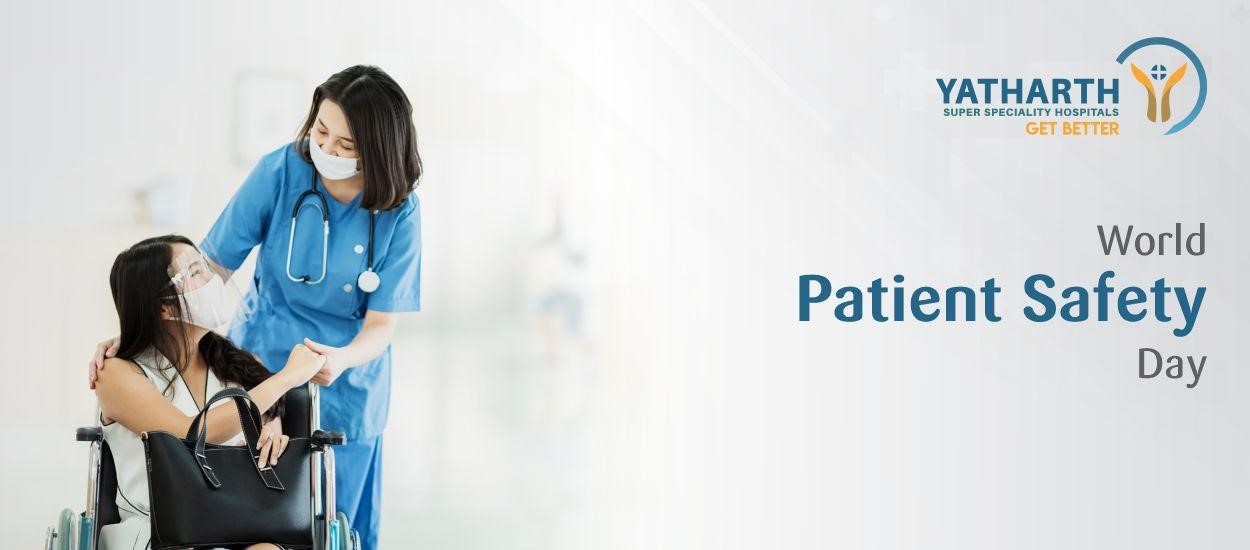


Every year on 17 September, World Patient Safety Day brings global attention to one of the most important aspects of healthcare: ensuring that patients receive care that is safe, respectful and effective.
World Patient Safety Day 2026 highlights an issue that concerns millions of people across the globe: noncommunicable diseases (NCDs). The World Patient Safety Day 2026 theme is “Safe care for noncommunicable diseases”, with the slogan “Safe care for life!”. The campaign draws attention to the importance of safeguarding individuals living with cancer, diabetes, cardiovascular diseases, and chronic respiratory diseases from preventable harm throughout their healthcare journey.
Patient safety refers to preventing errors and adverse events in healthcare that may harm patients. These include medication errors, diagnostic errors, injuries, infections, and other preventable events. Quality healthcare includes patient safety because the best medical care involves not only treating disease but also doing so safely.
World Patient Safety Day 2026 Theme: Safe Care for Noncommunicable Diseases
The theme for World Patient Safety Day 2026 is “Safe care for noncommunicable diseases”, with the slogan “Safe care for life!”.
NCDs include several long-term conditions, such as:
These conditions often require routine healthcare visits, diagnosis, medications, procedures, lifestyle modifications, and extended monitoring. Because patients may interact with multiple healthcare professionals and healthcare facilities over many years, there can be several opportunities for safety risks to occur.
WHO highlights patient safety considerations across the full continuum of care, including prevention and early detection, diagnosis, treatment, rehabilitation, palliative care and self-care.
History of World Patient Safety Day
In May 2019, the World Health Assembly adopted resolution WHA72.6, “Global action on patient safety”. The resolution acknowledged patient safety as a global health priority and called for the establishment of World Patient Safety Day, to be celebrated annually on 17 September.
World Patient Safety Day was first observed on 17 September 2019. Its theme was “Patient Safety: a global health priority”, with the tagline “Speak up for patient safety!”. The campaign aimed to encourage patients, health workers, and other stakeholders to engage in efforts to build safer health systems actively.
Since then, the day has focused on a different aspect of patient safety each year, helping maintain global attention on preventable harm and safer healthcare practices.
World Patient Safety Day: Significance
The significance of World Patient Safety Day goes beyond creating awareness. It encourages healthcare systems to foster a culture in which safety is considered at every step of patient care.
Enhanced awareness of patient safety may enable patients and their caregivers to recognize the importance of asking questions, providing a complete and accurate medical history and following treatment instructions. Patient safety principles can also help health professionals detect hazards, report events, learn from errors and make clinical systems safer.
For hospitals, patient safety is closely connected with infection prevention, medication safety, surgical safety, accurate patient identification, effective communication and timely diagnosis.
Importance of Patient Safety in Hospitals
Patient safety in hospitals is a shared responsibility of doctors, nurses, pharmacists, technicians, administrators, patients and their caregivers.
Some of the key measures include:
Precise Patient Identification
Healthcare professionals can mitigate the risk of errors by verifying appropriate patient identifiers before administering medications or conducting tests, procedures or surgery.
Medication Safety
Medication-related errors can occur because of incorrect medicines, doses, routes or timing. These risks can be minimized by regularly reviewing medication lists and considering potential drug interactions.
Infection Prevention
Routine hand hygiene, appropriate sterilization of instruments, environmental cleaning and the implementation of infection-control measures are necessary to prevent healthcare-associated infections.
Safe Surgery
Surgical safety includes confirming the patient's identity, the procedure and the surgical site. Effective teamwork and communication also play a major role in ensuring safe surgical care.
Clear Communication
Clear and effective communication between healthcare professionals, patients and caregivers can reduce the risk of misunderstandings and result in better continuity of care.
How Patients Can Support Safe Patient Care
Patients and their caregivers are partners in their own care and should be actively involved at every step to help ensure patient safety. They should:
- Keep an up-to-date list of their medicines and allergies.
- Inform their doctors about any medical conditions they have and any treatments or procedures they have previously received.
- Ask questions if they do not understand a diagnosis, medication, or procedure.
- Ask how and when they should take their medicines.
- Complete recommended tests and attend follow-up visits.
- Speak up if something does not seem right or if they notice something they do not recognize.
- Keep important medical reports and share them with their doctors when necessary.
Understanding patient rights is equally important. Patients are entitled to receive information about their condition and treatment, ask questions, take part in decisions about their care and be treated with dignity and respect, within the limits of the law and the policies of the healthcare service.
Conclusion
World Patient Safety Day 2026 is a timely reminder that healthcare must be not only available and effective but also safe. Under the theme “Safe care for noncommunicable diseases” and the slogan “Safe care for life!”, the 2026 campaign focuses on safeguarding people living with long-term conditions at every point of care.
From hospitals and healthcare professionals to patients and families, everyone has a role in strengthening patient safety. By encouraging effective communication, promoting the responsible use of medicines, preventing infections, ensuring accurate diagnoses and involving patients in their own care, healthcare systems can make progress towards the shared goal of safer, higher-quality care with less avoidable harm.