

Forgetting a name occasionally can happen to anyone. However, repeatedly asking the same questions, getting lost in familiar places, or struggling with everyday tasks deserves medical attention.
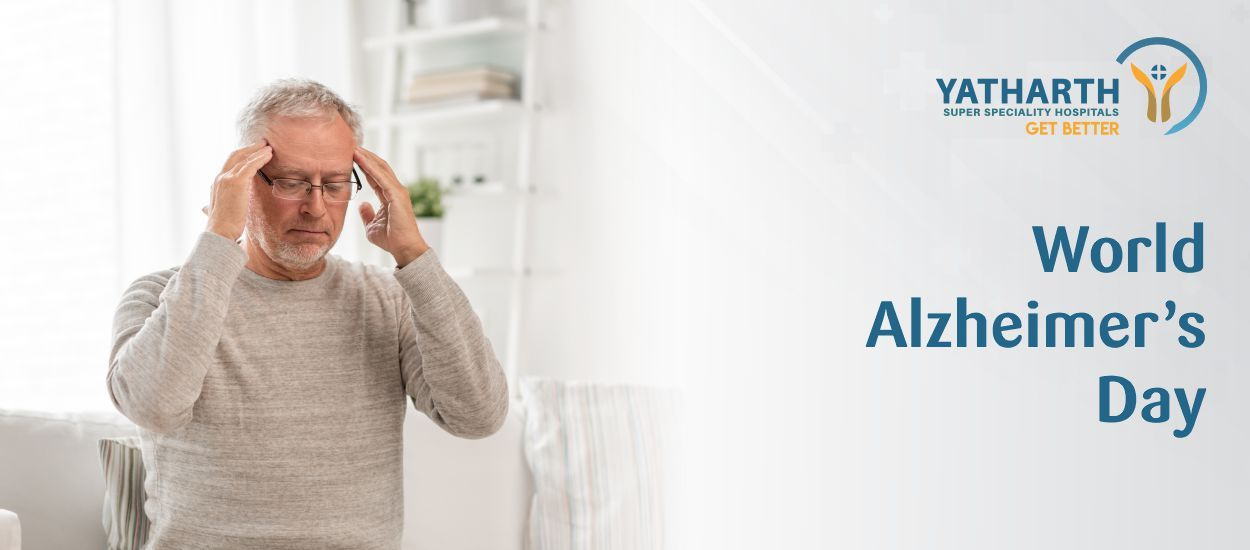
World Alzheimer’s Day 2026, observed on 21 September, encourages greater understanding of Alzheimer’s disease and other causes of dementia. It is an opportunity to recognise concerning changes, challenge stigma and support people living with dementia and their families.
For Yatharth Hospitals, Alzheimer’s disease awareness means encouraging timely assessment and compassionate care while helping families understand when to seek professional advice.
What Is World Alzheimer’s Day?
World Alzheimer’s Day is an international awareness observance focused on Alzheimer’s disease and dementia. It brings together people living with dementia, caregivers, healthcare professionals, and communities.
The day encourages conversations about memory problems, access to assessment and the support families need. It also challenges the misconception that dementia is an inevitable part of ageing.
World Alzheimer’s Day History
World Alzheimer’s Day was launched on 21 September 1994, at the opening of Alzheimer’s Disease International’s annual conference in Edinburgh, marking the organisation’s tenth anniversary.
The annual observance is now part of the wider September awareness campaign, World Alzheimer’s Month. Together, these initiatives encourage education, advocacy and support across countries.
World Alzheimer’s Day 2026 Theme
The 2026 World Alzheimer’s Month theme is:
“The Earlier You Know, The More You Can Do: A Dementia Diagnosis Matters.”
The campaign highlights timely diagnosis and addresses the low awareness, stigma and discrimination that can prevent people from seeking help.
For families, the message is practical: persistent changes in memory, thinking or behaviour should be discussed with a healthcare professional. An assessment can clarify possible causes and help people plan appropriate care.
What Is Alzheimer’s Disease?
Alzheimer’s disease is a progressive brain disorder that affects memory, thinking and the ability to carry out everyday activities. As it advances, a person may need increasing help with communication, personal care and safety.
It is the most common cause of dementia. Alzheimer’s disease involves changes in the brain, including abnormal protein accumulation and damage to connections between nerve cells.
Alzheimer’s Disease and Dementia: What Is the Difference?
Dementia is not a normal or inevitable consequence of growing older.
Alzheimer’s Symptoms Families Should Recognise
Symptoms vary, but changes that deserve attention include:
- Repeatedly forgetting recent conversations or events.
- Asking the same questions without remembering the answers.
- Becoming confused about dates or familiar places.
- Struggling with tasks previously managed independently.
- Difficulty following conversations or finding words.
- Changes in judgement, mood or behaviour.
- Withdrawing from usual activities or social contact.
An isolated lapse does not establish Alzheimer’s disease. The pattern, progression and effect on daily life are important.
Occasional Forgetfulness or a Reason to Seek Assessment?
|
Occasional lapse |
Change that deserves assessment |
|
Forgetting a name and remembering it later. |
Repeatedly forgetting recent information. |
|
Misplacing an item occasionally. |
Frequently losing belongings and being unable to retrace steps. |
|
Needing help with an unfamiliar device. |
Struggling with familiar tasks previously managed independently. |
|
Occasionally forgetting an appointment. |
Repeatedly missing appointments or medicines despite reminders. |
These examples are prompts for a medical discussion, not a self-diagnosis checklist.
Sudden Confusion Needs Urgent Medical Attention
Alzheimer’s disease generally develops gradually. Confusion that begins suddenly over hours or days needs urgent assessment, including in someone who already has dementia.
Possible causes include infection, stroke, low blood sugar, or medication effects. Seek emergency care rather than assuming the change is due to ageing or Alzheimer’s disease.
Why Timely Alzheimer’s Diagnosis Matters
An assessment can help determine whether memory problems are caused by Alzheimer’s disease, another neurological condition or a potentially treatable contributor.
It also gives the person and family an opportunity to:
- Understand the likely cause of symptoms.
- Discuss suitable treatment and support.
- Review medicines and safety concerns.
- Plan daily assistance and future care.
- Participate in decisions while the person can express their preferences.
Memory difficulties may also occur with depression, sleep problems, medication effects or other medical conditions. Seeking help avoids assuming that every memory problem is dementia.
How Is Alzheimer’s Disease Diagnosed?
A diagnosis requires clinical assessment rather than a single online memory test.
The evaluation may include:
- A detailed history of symptoms and their progression.
- Information from a family member, with the person’s involvement and consent where possible.
- Assessment of memory, language, attention and daily functioning.
- Physical and neurological examination.
- Review of medicines, mood and sleep.
- Blood tests and brain imaging when appropriate.
Specialists may consider additional tests to clarify the diagnosis in selected cases. The investigations needed depend on the clinical situation.
Alzheimer’s Treatment and Support
There is currently no cure for Alzheimer’s disease. However, treatment and supportive care can help manage symptoms and address everyday difficulties.
Some medicines help with cognitive symptoms. Certain disease-modifying treatments may slow decline in selected people with early Alzheimer’s disease, but they require specialist assessment and monitoring. Eligibility, risks, approval and local availability must be discussed with the treating specialist.
Care also includes support with daily activities, safety, nutrition and caregiver needs. Treatment should be reviewed as the condition changes.
Can Alzheimer’s Disease Be Prevented?
There is no guaranteed way to prevent Alzheimer’s disease. However, addressing modifiable risk factors may reduce or delay some dementia risk.
Helpful steps include:
- Staying physically active within your abilities.
- Avoiding tobacco and harmful alcohol use.
- Managing blood pressure and diabetes.
- Maintaining social connections.
- Seeking assessment for hearing or vision difficulties.
- Following a balanced diet and appropriate medical advice.
These measures support overall health but cannot eliminate dementia risk. People who develop dementia should never be blamed for their condition.
How Families Can Support Someone Living with Alzheimer’s Disease
Keep Routines Familiar
Regular times for meals, personal care and activities can make the day easier to follow. Adapt routines to the person’s preferences and abilities.
Communicate Calmly
Use clear, short sentences and allow time for a response. Avoid repeatedly testing the person’s memory or arguing over mistakes.
Support Independence
Offer help where needed while allowing the person to participate in tasks they can manage safely.
Make the Home Safer
Review medicines, cooking appliances, lighting and potential trip hazards. Discuss concerns about getting lost or driving with the treating team.
Include Meaningful Activities
Familiar music, photographs, gardening or supported walks may provide enjoyment and connection. Activities should suit the person rather than feel like a test.
Care for the Caregiver
Family caregivers also need rest, practical help and emotional support. Sharing responsibilities, arranging breaks and seeking professional advice can make care more manageable.
Alzheimer’s Disease Awareness Activities
World Alzheimer’s Day activities can help communities become more understanding and supportive.
|
Activity idea |
Purpose |
|
Awareness talk with a qualified clinician |
Explain symptoms and when to seek assessment |
|
Caregiver discussion session |
Share practical challenges and support options |
|
Dementia-friendly communication workshop |
Encourage patient, respectful interactions |
|
Sharing verified educational material |
Challenge stigma and common misconceptions |
|
Community walk or social gathering |
Promote inclusion and connection |
|
Family care-planning conversation |
Discuss support needs and the person’s preferences |
Obtain consent before sharing anyone’s diagnosis, photograph, or personal story. These are suggested activities, rather than announced Yatharth events.
Alzheimer’s Care at Yatharth Hospitals
Yatharth Hospitals provides assessment and management for Alzheimer’s disease, helping patients and families understand symptoms and discuss appropriate care.
If memory or thinking changes are affecting everyday life, seek a neurology consultation. Bring a medication list, previous reports and examples of the changes you have noticed. Confirm specialist availability at your preferred hospital when booking.
Book a consultation through the Yatharth Hospitals website or call 8800550057. Sudden confusion requires urgent medical assessment.
Take Memory Changes Seriously—with Understanding and Compassion
If changes in memory, thinking or behaviour are affecting everyday life, seek professional advice. This World Alzheimer’s Day, book a consultation at Yatharth Hospitals to discuss your concerns and understand the next steps in care.