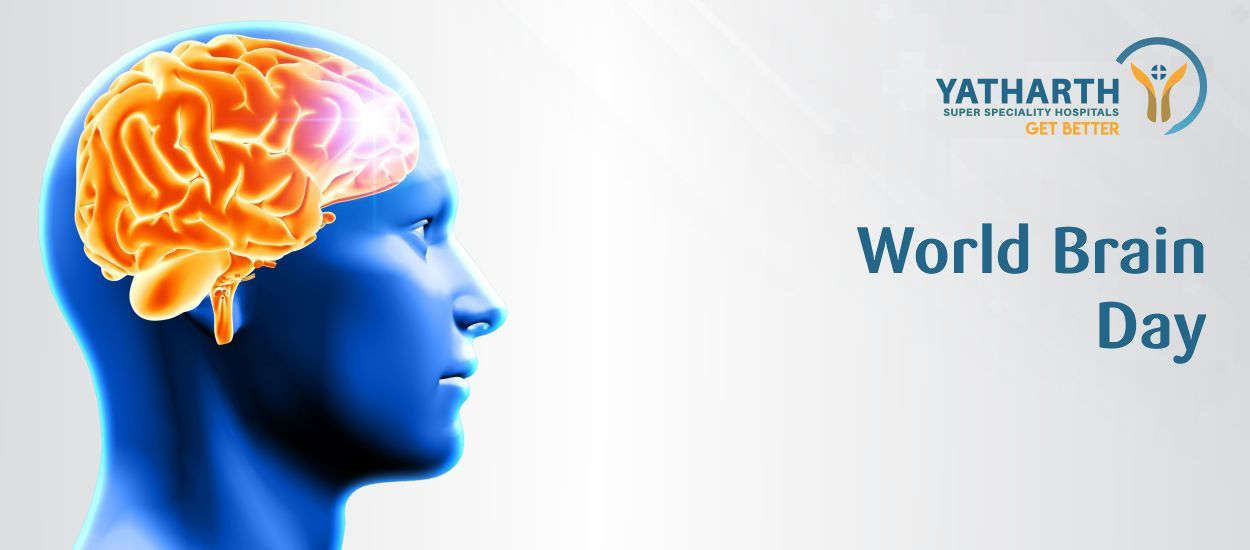


The brain in the human body is the command centre, controlling everything from the thoughts and emotions we experience, to the memories we store and even the movements we make. Yet numerous individuals around the globe suffer from neurological disorders that diminish their quality of life. To raise awareness and inspire action for better brain health, the global healthcare community celebrates World Brain Day annually.
World Brain Day Date 2026
World brain day is celebrated every year on 22nd July.
Healthcare providers, neurological societies, hospitals, universities, and patient advocacy groups celebrate the day with awareness raising activities, seminars, health screenings, social media campaigns, and educational materials designed to enhance the public’s knowledge of brain health and wellness.
World Brain History
World Brain Day is a joint initiative of the World Federation of Neurology (WFN) established in 2014. The campaign was created to increase awareness of brain disorders and the need to keep the brain healthy throughout life.
The campaign has been dedicated to a diverse range of neurological conditions since its creation, including stroke, epilepsy, Parkinson’s disease, dementia, migraine, and multiple sclerosis. Today, World Brain Day has turned into a global movement urging governments, healthcare providers, and communities to place brain health on the highest priority to ensure better access to neurological care.
World Brain Day Theme 2026
The official world brain day theme for 2026 is “Brain Health: Access for All.” This theme addresses the principle that all people, everywhere, should have the right to the highest standard of neurological care, whatever their age, gender, income, ethnicity, or place of living.
The theme emphasizes:
- Global neurology care access
- Early diagnosis & treatment
- Accessible and effective treatment and related education
- Health education and prevention
- Reducing inequalities in care delivery
Why Brain Health Awareness Matters
Brain health awareness is important because nervous system diseases are not limited by age or life stage. Many brain-related conditions can be treated successfully if caught early, but lack of awareness leads to delayed treatment. Today, more awareness can help people:
- Understand the importance of brain health
- Identify early signs and symptoms of neurological disorders
- Get to their doctor on time
- Make healthy lifestyle choices
- Reduce stigma related to brain disorders
- Increased awareness also leads to better public health policy and healthcare services.
Signs of Brain Disorders You Should Not Ignore
Acknowledging the symptoms of brain disorders can enable early diagnosis and better treatment results.
Some signs include:
- Headaches that are severe or do not go away
- Loss of memory and confusion
- Trouble focusing
- Sudden problems with vision
- Problems with speech
- Difficulty walking or problems with your balance
- Tremors or other involuntary movements
- Seizures
- Personality and mood swings
- Weakness or numbness in parts of body
These are the types of symptoms that may have something to do with your nervous system, and so they shouldn't be ignored, particularly if they stick around or get worse.
Symptoms and Causes of Brain Disorders
Symptoms may be different according to the disease include, but are not limited to, the following:
- Frequent headaches
- Worsening of thinking
- Trouble recalling things
- Sleep disturbances
- Changes in behaviour
- Muscle weakness
- Speech impairment
- Coordination difficulties
- Sensory changes
Causes of Brain Disease
Neurological disorders can be caused by(a) these following heredity
- Genetic Predisposition
- Traumatic brain injury
- Cardiovascular and stroke diseases
- Nervous system infections
- Autoimmune diseases
- Long term stress
- Poor nutrition
- Smoking and drug abuse
- Environment factors
Treatment Options for Brain Disorders
The treatment options for brain disorders have been greatly enhanced by advances in neuroscience in the last few decades.
Treatment strategies are dependent on the condition and the symptoms severity.
Medicine
Several neurological disorders can be treated with drugs to alleviate symptoms, stop the evolution of the disease or avoid secondary complications.
Physical Rehabilitation
Physical therapy includes exercises to improve the strength, flexibility, balance, coordination, and endurance of an individual.
Cognitive and Behavioural Therapy
Therapeutic strategies may assist individuals in coping with memory problems, emotional difficulties and cognitive impairments.
Surgical Procedures
Surgery is required in a few cases for brain tumours, epilepsy, and other structural neurological diseases.
Lifestyle Management
Treatment regimens often incorporate a role for lifestyle-based modifications and for maintaining long-term brain health.
An early diagnosis and access to effective brain disorders treatments can significantly lead to improved quality of life and better patient outcomes.
Brain Health Tips for a Healthy Mind
Stay Physically Active
Exercise also increases blood flow to the brain and is important for brain health overall.
Eat a Balanced Diet
A healthy diet with plenty of fruits and vegetables, whole grains, healthy oils, and lean proteins support good brain health.
Ensure Enough Sleep
A good night’s rest helps the brain to heal, to think, and to remember.
Manage Stress
It is also important to keep stress in check: chronic stress can impair brain function. Relaxation techniques: meditation, yoga, mindfulness, are among the best.
Keep Learning
Reading, doing puzzles, learning new things, and other mentally challenging pursuits may help keep your brain even more active.
Following these tips for brain health can help contribute to cognitive vitality for life.
Conclusion
The World Federation of Neurology celebrates World Brain Day every year on 22 July. It is a day dedicated to raising awareness about brain health. This year's campaign is led by the theme "Brain Health: Access for All" , which underscores the need to provide equitable access to brain health care services globally.