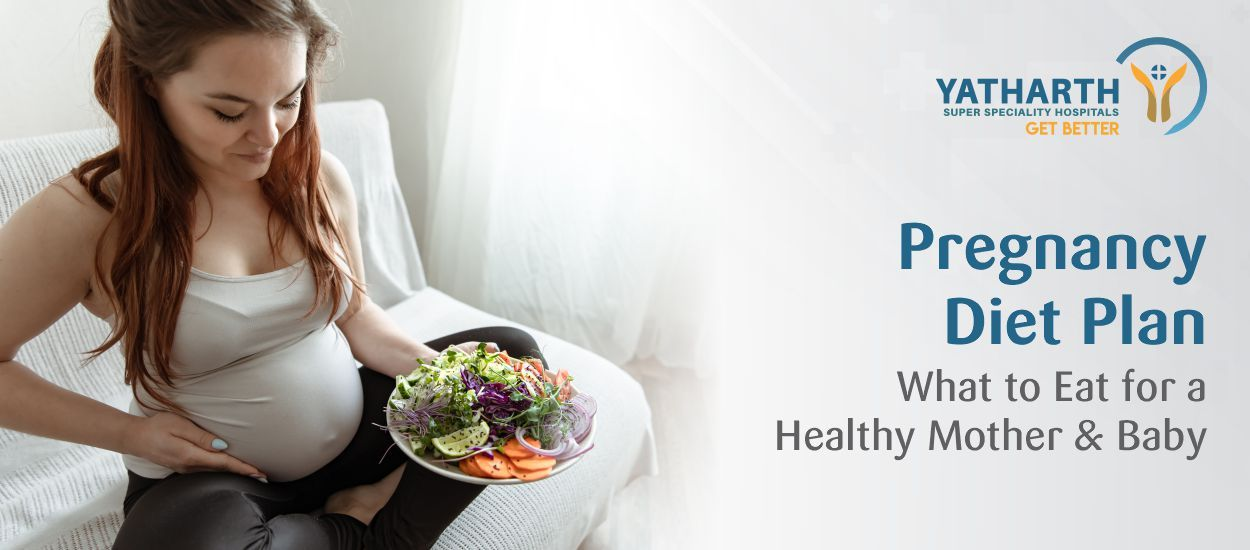


Pregnancy is one of the most nutritionally demanding phases of a woman's life. Every meal you eat nourishes not just your body but also the growing life inside you. A well-planned pregnancy diet does more than satisfy hunger; it supports foetal brain development, strengthens bones, regulates blood pressure, and reduces the risk of complications such as gestational diabetes and anaemia.
Yet, with so much conflicting advice online, knowing exactly what to eat, when to eat it, and how much can feel overwhelming. This guide cuts through the noise. Whether you are in your first trimester or approaching your due date, you will find a practical, trimester-wise pregnancy diet plan, a breakdown of essential nutrients, Indian food recommendations, and guidance on special dietary needs - all in one place.
Why Your Diet Matters More Than Ever During Pregnancy
The nutritional choices you make during pregnancy have a direct and lasting impact on your baby's development. During the first trimester, the neural tube, which forms the brain and spinal cord, develops within the first 28 days, often before a woman even knows she is pregnant. This makes pre-pregnancy and early pregnancy nutrition critically important.
As pregnancy progresses, your body's demand for specific nutrients increases significantly. According to the World Health Organization (WHO), inadequate nutrition during pregnancy is one of the leading contributors to low birth weight, preterm birth, and developmental delays in children. On the maternal side, poor nutrition raises the risk of anaemia, pre-eclampsia, gestational diabetes, and prolonged recovery after delivery.
The good news is that a balanced, thoughtfully planned diet addresses the vast majority of these risks. You do not need expensive supplements or exotic superfoods - in most cases, a well-rounded Indian diet, adjusted for pregnancy, provides everything both you and your baby need.
Key Nutrients Every Pregnant Woman Needs
A pregnancy diet is not just about eating more — it is about eating right. Certain nutrients play a particularly critical role during pregnancy. Here is what your body needs most, and where to find it:
|
Nutrient |
Why it Matters |
Best Food Sources |
|
Folic Acid |
Prevents neural tube defects in the baby |
Spinach, methi, dal, fortified cereals, broccoli |
|
Iron |
Supports increased blood volume and prevents anaemia |
Lentils, rajma, green leafy vegetables, jaggery, lean meat |
|
Calcium |
Builds baby's bones and teeth; protects maternal bone density |
Milk, curd, paneer, ragi, sesame seeds |
|
Protein |
Essential for foetal tissue growth and placental development |
Eggs, dal, chickpeas, tofu, chicken, fish |
|
DHA (Omega-3) |
Supports brain and eye development in the foetus |
Walnuts, flaxseeds, fatty fish such as salmon, fish oil supplements |
|
Iodine |
Regulates thyroid function; critical for brain development |
Iodised salt, dairy products, eggs |
|
Vitamin D |
Aids calcium absorption; supports immune function |
Sunlight, fortified milk, eggs, fatty fish |
|
Vitamin B12 |
Supports nervous system development |
Dairy, eggs, meat, fish (vegetarians may need supplements) |
|
Magnesium |
Reduces risk of preterm labour and leg cramps |
Nuts, seeds, whole grains, dark chocolate |
Note: While food sources cover most nutritional needs, your gynaecologist or nutritionist may recommend specific supplements based on your individual health profile. Always consult a professional before starting any supplement.
Pregnancy Diet Chart - Trimester-wise Breakdown
Nutritional needs shift significantly as your pregnancy progresses. Here is a practical guide to what your diet should look like at each stage.
First Trimester (Months 1 to 3)
The first trimester is all about laying the foundation. Your baby's brain, spinal cord, heart, and major organs begin forming during this period. Nausea and food aversions are common, so the focus is on eating small, frequent meals that are easy to digest while ensuring adequate intake of folic acid and iron.
What to prioritise:
- Folic acid-rich foods such as spinach, dal, and fortified cereals - ideally consumed from before conception through the first 12 weeks
- Iron-rich foods such as lentils, green leafy vegetables, and jaggery to support the rapid increase in blood volume
- Small, frequent meals of 5 to 6 times a day to manage nausea and maintain blood sugar levels
- Ginger tea or lemon water to ease morning sickness naturally
- Staying well-hydrated with water, coconut water, and fresh juices
Sample First Trimester Meal Plan:
|
Meal |
What to Eat |
|
Early Morning |
A glass of warm water with lemon or ginger tea |
|
Breakfast |
Poha with vegetables or a bowl of oats with milk and nuts |
|
Mid-Morning |
A banana or a small bowl of curd |
|
Lunch |
2 rotis, dal, a sabzi, and a small bowl of curd |
|
Evening Snack |
A handful of mixed nuts and seeds or a glass of buttermilk |
|
Dinner |
Khichdi or rice with dal and a green vegetable |
|
Bedtime |
A glass of warm milk |
Second Trimester (Months 4 to 6)
By the second trimester, nausea typically subsides and appetite returns. This is when your baby's growth accelerates significantly, and your caloric and nutritional needs increase accordingly. Calcium and protein become particularly critical during this phase as your baby's bones and muscles develop rapidly.
What to prioritise:
- Increased calcium intake through milk, paneer, curd, and ragi to support bone development
- High-quality protein sources at every meal to fuel foetal muscle and organ growth
- Iron-rich foods paired with vitamin C sources such as amla, lemon, or tomatoes to enhance absorption
- Fibre-rich foods such as whole grains, fruits, and vegetables to manage constipation, which is common in the second trimester
- Omega-3 fatty acids through walnuts, flaxseeds, and fish to support brain development
Sample Second Trimester Meal Plan:
|
Meal |
What to Eat |
|
Early Morning |
Soaked almonds and walnuts with a glass of milk |
|
Breakfast |
Vegetable upma or 2 eggs with whole wheat toast |
|
Mid-Morning |
A bowl of fresh fruit or a glass of fresh juice |
|
Lunch |
2 to 3 rotis, rajma or chana, a green sabzi, salad, and curd |
|
Evening Snack |
Roasted chana or a small bowl of sprouts |
|
Dinner |
Brown rice or 2 rotis with paneer or fish curry and vegetables |
|
Bedtime |
A glass of warm turmeric milk |
Third Trimester (Months 7 to 9)
The third trimester is the final stretch, and your baby gains most of its birth weight during this period. Your stomach may feel compressed as the baby grows, making large meals uncomfortable. Smaller, more frequent meals work best. The focus shifts to maintaining energy, supporting brain development, and preparing your body for labour and delivery.
What to prioritise:
- Calorie-dense, nutrient-rich foods in smaller portions to accommodate reduced stomach capacity
- Continued high intake of calcium and vitamin D as your baby's bones harden
- DHA-rich foods such as walnuts and flaxseeds for brain development in the final weeks
- Iron and vitamin C combinations to maintain haemoglobin levels before delivery
- Foods rich in vitamin K such as spinach and broccoli to support healthy blood clotting
Sample Third Trimester Meal Plan:
|
Meal |
What to Eat |
|
Early Morning |
A glass of warm milk with a teaspoon of ghee or soaked figs |
|
Breakfast |
Moong dal chilla with chutney or a vegetable omelette |
|
Mid-Morning |
A bowl of curd with fruits or a banana smoothie |
|
Lunch |
2 rotis, dal, a green vegetable sabzi, and salad |
|
Evening Snack |
A handful of nuts and seeds or whole grain crackers with hummus |
|
Dinner |
Khichdi or rice with a protein-rich curry and steamed vegetables |
|
Bedtime |
A glass of warm milk |
Indian Foods to Include in Your Pregnancy Diet
One of the biggest advantages of an Indian diet is its inherent nutritional richness. Many traditional Indian foods are naturally aligned with pregnancy nutritional requirements. Here are the key Indian foods to include regularly:
- Dal and legumes: An excellent source of plant-based protein, iron, and folic acid. Rotate between moong dal, masoor dal, chana dal, and rajma for variety
- Ragi (finger millet): One of the richest plant sources of calcium, making it particularly valuable for vegetarian mothers
- Green leafy vegetables: Spinach, methi, and palak are rich in iron, folic acid, and vitamin K. Pair with lemon to enhance iron absorption
- Curd and buttermilk: Excellent sources of calcium and probiotics that support gut health and immunity during pregnancy
- Amla (Indian gooseberry): Among the richest natural sources of vitamin C, which aids iron absorption and boosts immunity
- Jaggery: A natural source of iron and a healthier alternative to refined sugar for satisfying sweet cravings
- Nuts and seeds: Almonds, walnuts, flaxseeds, and sesame seeds provide healthy fats, calcium, and omega-3 fatty acids
- Coconut water: A natural electrolyte drink that supports hydration and replenishes minerals lost during pregnancy
- Ghee: In moderate quantities, ghee provides fat-soluble vitamins and healthy fats that support foetal brain development
Foods to Avoid During Pregnancy
Just as important as what you eat is what you choose to avoid. Certain foods pose a risk to foetal development or increase the likelihood of complications. Here is a clear reference guide:
|
Food/Drink |
Why to Avoid |
|
Raw or undercooked meat and eggs |
Risk of Salmonella and Listeria infection |
|
Unpasteurised dairy products |
May contain harmful bacteria such as Listeria |
|
High-mercury fish such as shark, swordfish, and king mackerel |
Mercury accumulates in foetal brain tissue and impairs development |
|
Excess caffeine (more than 200mg per day) |
Linked to low birth weight and increased risk of miscarriage |
|
Alcohol |
No safe level exists during pregnancy; linked to foetal alcohol syndrome |
|
Raw sprouts |
Prone to bacterial contamination and difficult to clean thoroughly |
|
Processed and packaged foods |
High in sodium, preservatives, and refined sugars that raise gestational diabetes risk |
|
Papaya (raw or semi-ripe) |
Contains latex which may trigger uterine contractions |
|
Excess salt |
Contributes to water retention and raises blood pressure risk |
Special Dietary Considerations
Some pregnant women have specific health conditions that require a more tailored approach to diet. Here is what you need to know.
Gestational Diabetes Diet During Pregnancy
Gestational diabetes affects approximately 10 to 14 percent of pregnancies in India, according to the Indian Council of Medical Research (ICMR). Managing blood sugar through diet is the first and most effective line of treatment.
Key principles of a gestational diabetes diet include:
- Choose low glycaemic index (GI) foods such as whole grains, oats, and legumes over refined carbohydrates such as white rice and maida
- Eat smaller, more frequent meals throughout the day to prevent blood sugar spikes
- Pair carbohydrates with protein or healthy fats at every meal to slow glucose absorption
- Limit fruit juices, sweetened beverages, and jaggery despite their natural origin
- Include fibre-rich vegetables at every meal, especially bitter gourd, fenugreek, and leafy greens, which help regulate blood sugar naturally
- Monitor portion sizes carefully, particularly for rice, roti, and fruit
If you are diagnosed with gestational diabetes, working with a clinical nutritionist alongside your gynaecologist is strongly advisable. A personalised meal plan makes a significant difference in managing the condition safely.
Thyroid Diet During Pregnancy
Thyroid disorders, particularly hypothyroidism, are common in Indian women of reproductive age. An underactive thyroid during pregnancy increases the risk of preterm birth and developmental delays in the baby.
Dietary adjustments for thyroid management during pregnancy include:
- Ensure adequate iodine intake through iodised salt, dairy products, and eggs, as iodine is essential for thyroid hormone production
- Avoid consuming raw cruciferous vegetables such as cabbage, cauliflower, and broccoli in large quantities, as they may interfere with thyroid function when eaten raw. Cooking neutralises this effect
- Take thyroid medication at least 30 to 60 minutes before meals and away from calcium-rich foods, as calcium can interfere with medication absorption
- Do not self-medicate or adjust thyroid medication during pregnancy without consulting your doctor
Vegetarian Pregnancy Diet
A well-planned vegetarian diet is entirely adequate for pregnancy. The key is to be intentional about nutrients that are less abundant in plant-based foods:
- Protein: Combine dal, legumes, paneer, curd, tofu, and nuts to meet daily protein requirements
- Vitamin B12: Found primarily in animal products, B12 deficiency is common among vegetarians. A supplement is often necessary, and your doctor will advise accordingly
- Iron: Plant-based iron (non-haem iron) is less easily absorbed than iron from meat. Always pair iron-rich foods with vitamin C sources to maximise absorption
- DHA: Algae-based DHA supplements are a reliable plant-based alternative to fish oil and are safe during pregnancy
- Calcium: Ragi, sesame seeds, curd, and paneer are excellent vegetarian sources of calcium
Post-Pregnancy Diet - Eating Well After Delivery
Nutrition does not stop being critical once the baby arrives. The post-pregnancy period, particularly during breastfeeding, places significant nutritional demands on the mother's body. Breast milk production requires an additional 500 calories per day above normal maintenance needs.
Key priorities for a post-pregnancy diet include:
- Increased protein and calcium to support milk production and replenish maternal bone density
- Iron-rich foods to recover from blood loss during delivery, particularly important after a caesarean section
- Warm, easily digestible foods in the first few weeks - traditional Indian postpartum foods such as ajwain water, methi ladoo, and ghee-based preparations have genuine nutritional merit
- Adequate hydration. Breastfeeding mothers need at least 3 litres of fluid per day to maintain milk supply
- Gradual return to a balanced diet. Crash dieting or severe caloric restriction after delivery is harmful to both milk quality and maternal recovery. Weight loss happens naturally and gradually with a balanced diet and gentle activity
When to Consult a Doctor or Nutritionist
While this guide provides a comprehensive foundation, every pregnancy is different. You need professional dietary guidance if any of the following apply:
- You have been diagnosed with gestational diabetes, hypothyroidism, anaemia, or pre-eclampsia
- You are carrying twins or multiples, which significantly increases nutritional requirements
- You are underweight or overweight at the start of pregnancy
- You follow a strict vegan diet and are concerned about nutritional adequacy
- You experience persistent nausea or vomiting that prevents you from eating adequately
- You notice unusual symptoms such as excessive swelling, severe fatigue, or persistent headaches
- You are unsure whether your current diet is meeting your baby's developmental needs
At Yatharth Super Speciality Hospitals, our team of experienced gynaecologists and clinical nutritionists works together to create personalised pregnancy diet plans tailored to your health profile, trimester, and specific dietary needs. Early guidance makes a meaningful difference to both maternal and foetal outcomes.
Book a Consultation
Eating well during pregnancy is one of the most powerful things you do for your baby's future. If you have questions about your pregnancy diet, need a personalised meal plan, or want to speak with a specialist, our team at Yatharth Super Speciality Hospitals is here to help.
To book a consultation, simply call us at:
- Faridabad (Sector 88): +91-8588833310 | +91-8588833311
- Faridabad (Sector 20): +91-7669999444 | +91-9800660050
- Noida: +91-9582833333
- Greater Noida: +91-8800447777
- New Delhi: +91-7669999222