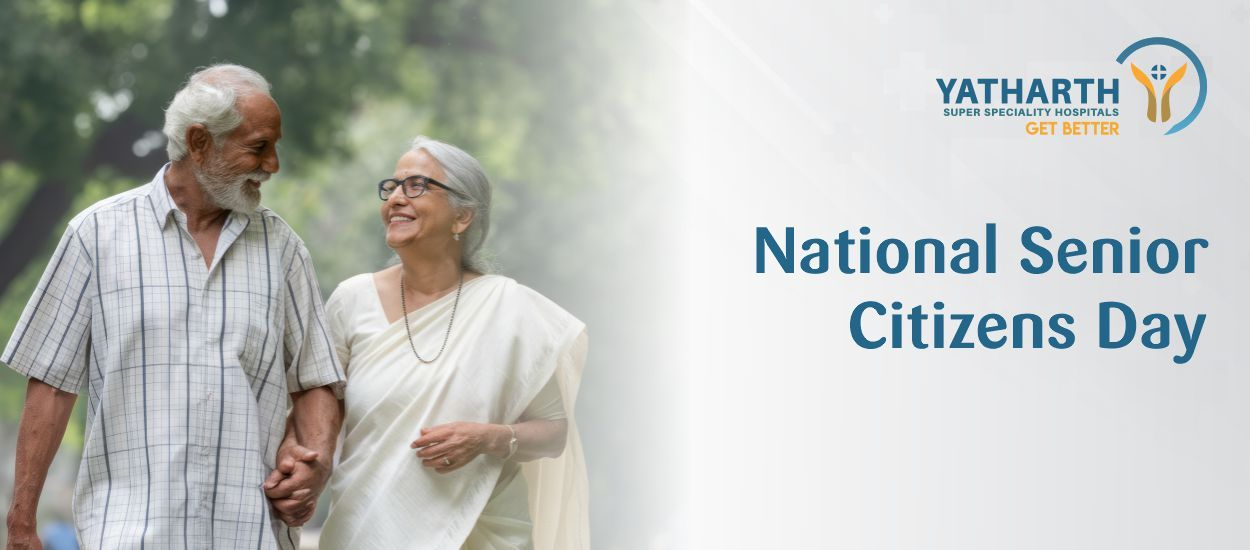


National Senior Citizens Day is celebrated annually on August 21st. It is a day to honour the contributions, achievements, and experiences of older adults and to promote awareness of the issues that affect their health, well-being, and quality of life. This day is celebrated as a way to appreciate all the hard work of older adults and acknowledge their wisdom and their contribution in making society what it is.
It is important to distinguish this observance from the International Day of Older Persons, which is observed globally on October 1 under the United Nations. August 21 is commonly known as National Senior Citizens Day in the United States, while terms such as World Senior Citizens Day may also be used informally.
The event is an opportunity for all to see beyond the barriers of age and reflect on what it means to grow old in a healthy, active, dignified way and to belong to, and contribute to, society.
National Senior Citizens Day Significance
The importance of this day is not only to acknowledge seniors in society but also to allow people around the world to thank seniors for their hard work and care.
- Recognizing the contributions of senior citizens to families and society.
- Raising awareness about older adults’ health and related healthcare needs.
- Promoting preventive health checkups.
- Helping emotional and social well-being.
- Promoting independence and active aging.
- Increasing awareness about elderly care.
- Encouraging families to spend meaningful time with older adults.
This day is also a reminder for us to recognize that aging is a natural and expected part of life and deserves to be met with respect for elders, not with myths or stereotypes.
Senior Citizens Health: Why Preventive Care Matters
As people age, their healthcare needs become more specific. Regular preventive care can help detect age-related conditions early and support better senior citizen health and quality of life.
A comprehensive elderly health checkup should be tailored to an individual's age, medical history, and gender. For women, screening may include bone health, breast health, cervical health and osteoporosis risk, while men may need attention to prostate health, cardiovascular health and metabolic conditions. For both, monitoring blood pressure, blood sugar, cholesterol, vision, hearing and medication use is important.
Regular consultations with a healthcare professional can help identify individual health risks early and create a personalized approach to healthy aging.
Health Tips for Healthy Aging
Aging well is about more than just treating disease. These health tips may help them to age well:
Stay Physically Active
Age-appropriate physical activity and ability help maintain strength, balance, and flexibility, as well as overall mobility. Walking, stretching, yoga, or other routine activities recommended by a doctor can be included in daily routines.
Eat a Balanced Diet
A healthy diet needs to have enough protein, fibre, vitamins and minerals, and not too much salt, sugar or highly processed food. Personal diet needs may be different and should be discussed with a doctor/dietitian if needed.
Keep Up with Health Checkups
Regular doctor visits can help identify problems sooner rather than later. Preventive screening should be determined by age, gender, medical history, and personal risk factors.
Take Medicines Responsibly
Older people often need to take a number of different medications to treat different conditions. Drugs should be taken as directed, and any side effects or worries should be talked over with a healthcare professional rather than stopping treatment on one’s own.
Prioritize Mental and Emotional Well-Being
Socializing, hobbies, education, and family time all help to contribute to emotional health.
Protect Bone and Fall Health
Building muscle strength, balance, and a safe home environment are all important strategies to prevent falls. Eyesight and hearing should also be tested routinely when appropriate.
Care for Older Adults and Geriatric Care
Good care combines physical, emotional, and social care. Geriatric care addresses the whole person, not just specific symptoms related to aging, and is especially helpful for older adults with multiple chronic illnesses. Family can help by attending appointments with seniors, assisting with adherence to treatment plans, motivating them to be active, and making certain they have chances to socialize.
Healthcare providers also play an important role in delivering personalized senior healthcare, preventive services, and age-appropriate medical support.
Promoting Active Aging and Aging Gracefully
Active aging is the process of enabling older adults to continue participating in activities in which they are physically, socially, and intellectually active and provide meaning in their lives.
Aging gracefully does not mean ignoring health concerns or accepting every change as unavoidable. It is meeting the evolving needs and doing what is necessary to ensure health, independence, and quality of life for as long as possible.
Families can support by listening to seniors, honouring their decisions, promoting autonomy, and being there when needed.
Conclusion
Senior Citizens Day 2026 is a reminder to celebrate older adults while also taking meaningful action towards their health, independence, and dignity. From regular health checkups and nutritious meals to physical activity and social connection, small steps can contribute to better senior wellness and healthy aging.
The best way to honour senior citizens is not limited to one day. It is to build families and communities where older adults feel respected, supported, heard, and valued throughout the year.