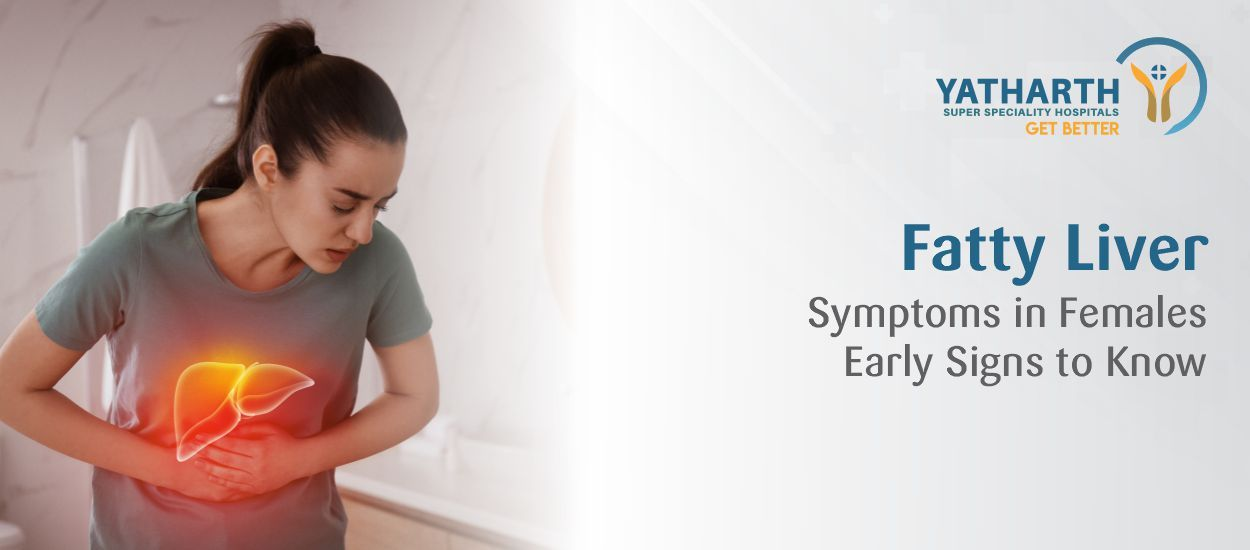


Fatty liver is the buildup of too much fat in liver cells. Although it is possible for men and women to develop it, the risk factors in women may be influenced by various hormonal and metabolic factors as well as lifestyle. The disease commonly develops silently, particularly at the early stage, and that's why being aware of its signs can help a woman get medical help in time.
What is Fatty Liver?
A healthy liver contains a small amount of fat. When fat accounts for too much of the liver, it can result in fatty liver disease. A common subtype is metabolic dysfunction-associated steatotic liver disease (MASLD), previously commonly termed non-alcoholic fatty liver disease (NAFLD).
Symptoms of non-alcoholic fatty liver disease could be mild and may be similar to other illnesses. This makes medical evaluation important rather than relying on symptoms alone.
Fatty Liver Symptoms in Women to Watch For: Even within this demographic, fatty liver signs in women can differ depending on how bad the disease is. A few women may not experience any symptoms, while some may observe:
Persistent Fatigue
Unusual tiredness despite adequate sleep could be a Warning Sign Fatty Liver. Fatigue due to fatty liver may occur alongside metabolic problems, although tiredness can have many other causes. Persistent fatigue should therefore be evaluated rather than automatically attributed to liver disease.
Discomfort in the Upper Right Abdomen
Some women report mild discomfort or feeling an unpleasant pressure in the upper-right quadrant of the abdomen, where the liver resides. Abdominal pain in fatty liver can sometimes be related to liver swelling or liver inflammation, but there are various causes for abdominal pain.
Unexplained Weakness
General fatigue or muscle weakness, as a result of decreased available energy, can also be a symptom of fatty liver, especially if you have other metabolic issues. Weakness alone does not diagnose liver disease.
Changes in Weight
Unexplained weight changes can also sometimes accompany underlying metabolic disorders that are linked to fatty liver. In contrast, being overweight or obese is a major risk factor for developing fatty liver, particularly in the presence of insulin resistance.
Digestive Complaints
Some people with fatty liver report bloating, reduced appetite, or a feeling of fullness. These symptoms are not specific to liver disease and should be considered along with other clinical findings.
Early Fatty Liver Symptoms in Women
The early symptom of fatty liver in women is usually hard to detect, as the majority of women with fatty liver are asymptomatic. Grade 1 fatty liver and stage 1 fatty liver symptoms could be nonexistent or very mild.
Actually, fatty liver is a diagnosis that is often discovered during routine blood work or an abdominal ultrasound. That’s why women with risk factors for it should talk with their healthcare provider about appropriate screening, even if they don’t have obvious symptoms.
Causes of Fatty Liver in Women
The reasons for fatty liver in women can be due to multiple factors. Common contributors include:
- Overweight or obesity, especially with excess abdominal fat
- Insulin resistance and type 2 diabetes
- High cholesterol and triglycerides levels
- Sedentary lifestyle
- Diet rich in excess calories, refined carbohydrates, or added sugars
- Certain drugs or diseases
- Hormonal Changes and metabolism
Alcohol consumption can also contribute to a separate form of fatty liver disease. A healthcare professional can help determine the underlying cause.
Other Liver Disease Symptoms in Females
As liver disease progresses, symptoms may become more apparent. Potential symptoms of liver disease in women can include yellowing of your skin or the whites of your eyes (jaundice), swelling in your legs or abdomen, easy bruising, itching that won’t stop, dark urine, or unusual tiredness. These could be signs of more advanced liver disease and should be evaluated promptly.
How Is Fatty Liver Diagnosed?
Fatty liver diagnosis usually involves a combination of medical history, physical examination, blood tests, and imaging. Liver enzymes and other blood tests provide useful information, and ultrasound or other imaging modalities can detect fat deposits.
In some instances, doctors may also suggest further testing to evaluate for liver fibrosis or more advanced liver disease.
It is crucial to remember that symptoms by themselves cannot allow for diagnosis. If a woman is experiencing fatigue, abdominal pain, or any other worrisome symptoms, she should see a doctor.
How to Reverse Fatty Liver
In early disease, changes in lifestyle can have a profound effect on the amount of fat in the liver and on metabolic health. Slow and steady weight loss if you are overweight and it’s safe to do so, along with regular physical activity and control of conditions such as diabetes and high cholesterol, may help.
Crash diets or extreme restrictions are not recommended. A personalized approach developed with your doctor or qualified dietitian will be more sustainable and safer.
Conclusion
Because fatty liver may remain silent, women should not wait for symptoms to become severe before seeking medical advice. Chronic fatigue, recurring right upper abdominal pain, unexplained health changes, or having metabolic risk factors are all valid reasons to talk about liver health with your doctor.
Identifying it early may allow for intervention to modify risk factors before there is more advanced liver injury.