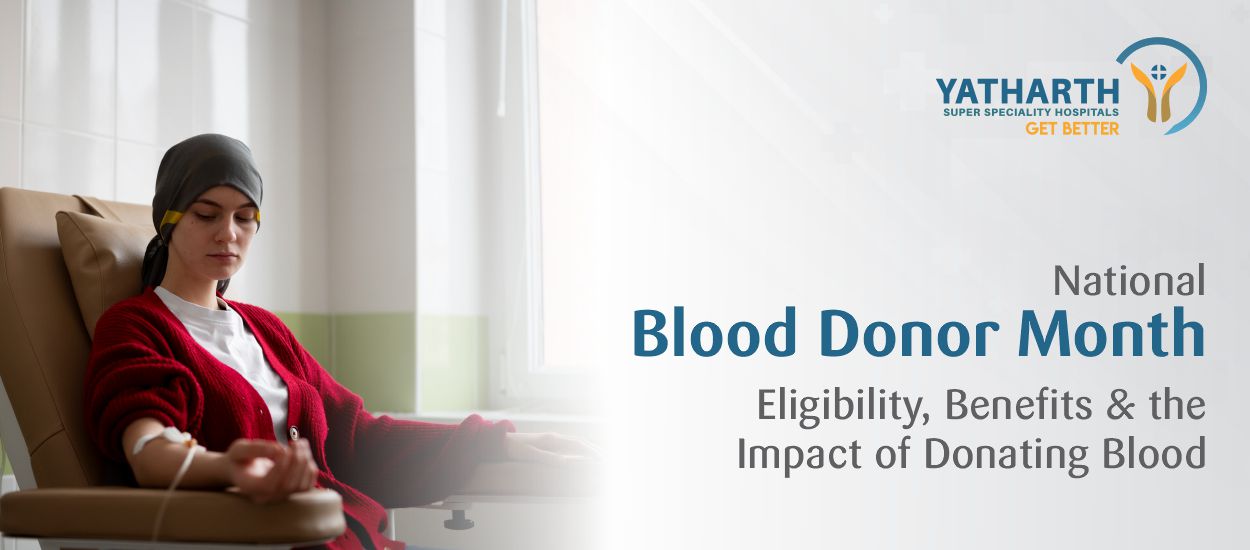


National Blood Donor Month aims to acknowledge the contribution of regular blood donors and to invite those who have never donated before to make their first donation. It is celebrated every year in the month of January which is also a time when the need for blood is greater because of the influence of seasonal illnesses and accidents.
The awareness drive is aimed at creating awareness towards blood donation, educate about a safe and simple process of donating blood and reiterate its need for surgeries, trauma care, cancer treatment and many other life saving medical requirements.
Understanding National Blood Donor Month 2026
Having an adequate blood supply is the backbone for a healthy healthcare system. There are a number of misconceptions for which people are reluctant to give blood. Awareness initiatives during Blood Donor Month 2026 are vital to counter this misinformation and to raise awareness that donating blood is a safe, simple medical procedure.
Whether trauma victims, or patients with cancer, blood transfusions often mean the difference between life and death.” Raising awareness about blood donation has a positive impact on both emergencies and patient care.
Why A Blood Donation Awareness is Crucial?
Everyone craves a healthy living, maintaining blood supply is vital to live healthy life. Several persons don’t donate because they were scared or they are shopping for misconceptions from their friends and family. Awareness campaigns in blood donor month 2026 have been effective in breaking these myths and educating populations that it is nothing more than a simple, safe procedure.
From trauma victims to cancer patients, blood transfusions can mean the difference between living and dying.
Raising donate blood awareness contributes to greater healthcare systems and emergency response directly.
Who can donate blood?
While the criteria may be slightly different in each country, the basic qualifications for donating blood are:
- Age 18 - 65 years
- A minimum 50 kgs of weight
- Normal haemoglobin as per blood bank
- Good overall health & no active infection
- No major surgery in the recent past and no blood donation in critical period
Pregnant women, women who have recently given birth, and people with certain health conditions may be deferred temporarily or permanently subject to medical opinion.
So it's important both donor and recipient both should know guidelines of blood donation.
Significance of Blood Donation in Health care and Society
The significance of blood donation is a lot more than merely helping out in emergencies. Blood is needed every day for:
- Trauma and accident care
- Major and minor surgeries
- Treatment for cancer and chemotherapy
- Organ transplants
- Anaemia and blood disorders are chronic illnesses
Each single blood donation has the potential to save up to three lives. Donors are urged to support national blood donor month in 2026 and help keep blood banks supplied and ready to meet the needs of patients at local hospitals.
Benefits of Donating Blood for Blood Donors
Although the primary motivation is to help others, blood donors also experience several health benefits:
1.Health Monitoring
Each donation includes basic health checks such as blood pressure, haemoglobin level, and pulse rate.
2. Heart Health
Regular blood donation may help maintain healthy iron levels, which can contribute to cardiovascular well-being.
3. Psychological Well-being
Contributing to a life-saving cause provides emotional satisfaction and strengthens a sense of social responsibility.
The Effect of Blood Donation on Our Community
The effect of voluntary blood donation is powerful when viewed collectively. At blood donor month 2026, hospitals nationwide count on donors to keep their services running. That patients are never refused treatment because of a lack of blood is down to the timely donations.
Promoting awareness of blood donation also contributes in fostering than empathy and a culture of community participation. People tend to give longer as donors once they know directly what difference they have made.
Myths vs Facts Blood Donation
Ignorance of the facts can perpetuate myths about blood donation. Debunking misconceptions is necessary to get more people involved:
Myth: It’s painful to donate blood
Fact: You will experience only a slight prick, and the procedure is risk-free
Myth: Blood donation makes you weak
Fact: Donated blood is replaced within a few days by your body
Myth: We only need-to-worry about rare blood groups
Fact: All blood types are necessary
Getting the factual donate blood message right help more people to feel that little bit more confident doing it.
How You Can Get Involved in National Blood Donor Month 2026
Your participation in national blood donor month 2026 is easy and makes a difference:
- Give blood at your nearest hospital or blood bank
- Help bring in the family and friends
- Disseminate confirmed knowledge to promote awareness of blood donation
- Take part in blood drive campaigns
Awareness can be raised even when participation is not possible, which is a great way to help the cause.
Conclusion: A simple thing that can save lives
National Blood Donor Month 2026 is more than just a routine recognition—it is a call on all of us to action. With knowledge of what blood donation eligibility factors are, and an understanding of how to support blood donation, as well as get the most out of the potential blood donation benefits, people can better influence and help the cause. One donation. One decision. One life saved - or many. So, during blood donor month 2026 let’s raise awareness donate blood.