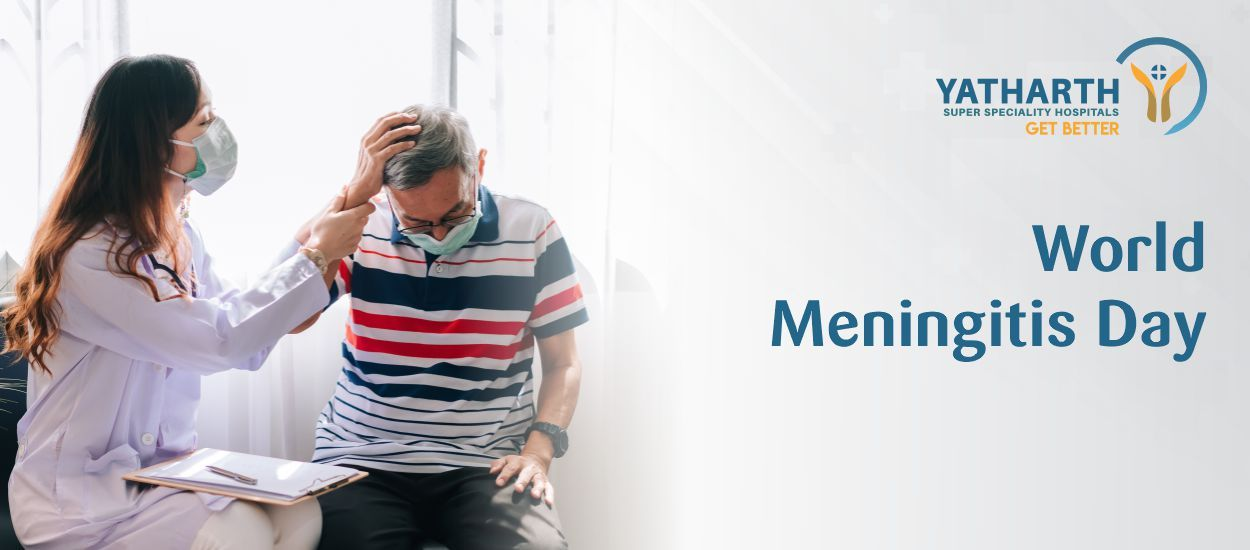


A fever or headache may initially seem like a common illness. However, when symptoms become severe, occur with a stiff neck or confusion, or worsen rapidly, urgent medical attention is essential. Meningitis can progress quickly, and recognising the warning signs can help people receive treatment sooner.
World Meningitis Day 2026 will be observed on Monday, 5 October. The day raises awareness of meningitis, encourages prevention and supports people whose lives have been affected by the disease. The campaign was founded by the Confederation of Meningitis Organisations in 2009 and is now coordinated by Meningitis Research Foundation.
If you suspect meningitis, seek emergency medical care immediately. Do not wait for a rash or for every symptom to appear.
What Is Meningitis?
Meningitis is inflammation of the protective membranes surrounding the brain and spinal cord. These membranes are called the meninges.
Bacteria, viruses, fungi, and parasites can cause meningitis. Less commonly, it can develop because of non-infectious causes, including certain medicines, injuries, or cancers.
The cause matters because treatment differs. Symptoms alone cannot reliably establish which type someone has, so medical assessment is essential.
What Are the Main Types of Meningitis?
Bacterial meningitis
Bacterial meningitis is a medical emergency. It can become life-threatening within hours and requires prompt antibiotic treatment.
Several bacteria can cause it, including meningococcus, pneumococcus, Haemophilusinfluenzae, and group B streptococcus. Tuberculosis bacteria can also cause meningitis.
Viral meningitis
Viral meningitis is often less severe than bacterial meningitis, but it can still cause serious illness. Babies and people with weakened immune systems are particularly vulnerable.
Many mild cases improve without a specific antiviral treatment. However, a clinician must assess the person before deciding whether care at home is appropriate.
Fungal and other forms
Fungal meningitis requires specialist assessment and antifungal treatment. Diagnosis and treatment depend on the organism and the patient’s circumstances.
Other, less common forms include meningitis caused by parasites or non-infectious conditions. These also require treatment directed at the underlying cause.
Meningitis Symptoms in Adults and Older Children
Common warning signs include:
- Fever.
- Severe headache.
- Stiff neck.
- Nausea or vomiting.
- Sensitivity to bright light.
- Confusion or unusual changes in behaviour.
Meningococcal disease can initially resemble a flu-like illness and then worsen rapidly. It can cause meningitis, a bloodstream infection, or both.
Marked sleepiness, difficulty waking, seizures or a rapidly worsening condition also require emergency attention. A person does not need to have the full combination of fever, headache and neck stiffness for meningitis to be suspected.
Meningitis Symptoms in Babies
Babies may not show the same symptoms as adults. A stiff neck or headache may be absent or difficult to recognise.
Possible signs include:
- Feeding poorly.
- Unusual irritability.
- Being less active than usual.
- Vomiting.
- A bulging soft spot on the head.
- Abnormal responsiveness.
A baby who is unusually sleepy, difficult to wake, or noticeably unwell needs urgent medical assessment. Parents should explain clearly how the baby’s behaviour differs from normal.
Does Meningitis Always Cause a Rash?
No. Meningitis can occur without a rash.
A red or purple rash that does not fade under pressure can occur with meningococcal bloodstream infection. However, it may appear late or never appear at all. It can also be harder to notice on darker skin.
Do not use the absence of a rash—or a home “glass test”—to decide that someone is safe. If meningitis is suspected, seek emergency care immediately.
How Does Meningitis Spread?
Transmission depends on the germ causing the illness.
Meningococcal bacteria can spread through respiratory and throat secretions during close or prolonged contact. Household members and people directly exposed to an infected person’s saliva may be at increased risk.
Being near someone briefly is different from sharing a household or having direct contact with their oral secretions. Healthcare professionals assess the nature of the exposure when deciding whether preventive treatment is needed.
Viruses that cause meningitis spread in different ways. Someone exposed to a person with viral meningitis may acquire the virus without developing meningitis themselves.
Who Is at Greater Risk?
Meningitis can affect people of any age. Depending on the cause, greater risk may be associated with:
- Infancy or early childhood.
- Adolescence and young adulthood.
- Older age.
- A weakened immune system.
- An absent or poorly functioning spleen.
- Certain conditions, such as a cerebrospinal fluid leak.
- Exposure during outbreaks or in some crowded settings.
Travel can also change a person’s risk. A doctor or travel-health clinician can advise on prevention according to the destination, planned activities, and medical history.
How Is Meningitis Diagnosed?
Neurologists assess symptoms, examine the patient, and arrange tests to identify the cause.
Testing may involve blood samples and a lumbar puncture, which collects a sample of cerebrospinal fluid from the lower back. This fluid surrounds the brain and spinal cord.
A lumbar puncture is performed when clinically appropriate. Some patients need additional assessment before it can be carried out safely. Investigations must not delay antibiotic treatment when bacterial meningitis is suspected.
How Is Meningitis Treated?
Treatment for bacterial meningitis
Bacterial meningitis requires urgent hospital treatment, usually with antibiotics given into a vein. Neurologists may also provide corticosteroids and supportive treatment according to the patient’s condition.
Treatment should begin promptly rather than waiting for all test results.
Treatment for viral meningitis
Many mild cases improve with supportive care after medical assessment. Some patients need hospital care, and antiviral medicines may help when particular viruses are responsible.
Antibiotics do not treat viral infections. The decision about treatment depends on the diagnosis and severity of illness.
Treatment for other causes
Fungal meningitis requires antifungal medicines. Other forms need treatment tailored to their cause, which may involve specialist care.
Home remedies cannot replace the assessment and treatment of suspected meningitis.
Can Meningitis Be Prevented?
Vaccination protects against several important causes
Vaccines can help prevent meningitis caused by:
- Haemophilus influenzae type b, or Hib.
- Pneumococcal bacteria.
- Certain groups of meningococcal bacteria.
There is no single vaccine that protects against every cause of meningitis. Vaccine choices and schedules depend on age, health conditions, previous doses, location and travel plans.
Ask your doctor to review your vaccination record and explain which vaccines are appropriate for you or your child.
Everyday hygiene can reduce some infections
Wash hands regularly, particularly after using the toilet or changing nappies. Clean frequently touched surfaces and avoid sharing items that come into contact with saliva.
These measures can reduce exposure to some germs, but they do not replace vaccination or urgent medical care when symptoms develop.
Close contacts may need preventive antibiotics
Close contacts of someone with meningococcal disease should receive prompt advice from a healthcare professional or public-health team. Preventive antibiotics may be required even if the contact has been vaccinated.
This does not mean that every classmate, colleague or casual contact needs antibiotics. The healthcare team identifies who was exposed closely enough to benefit. Do not take leftover antibiotics or choose a medicine yourself.
Recovery and Life After Meningitis
Recovery varies. Some people recover fully, while others need ongoing treatment and rehabilitation.
Possible longer-term effects include hearing difficulties, problems with memory or concentration, seizures, movement difficulties and emotional distress. Follow-up should consider physical, neurological and psychological needs.
WHO’s meningitis guidance emphasises continuing care after the acute illness, including assessment for complications and access to rehabilitation.
Families can ask the treating team:
- Is a hearing assessment needed?
- What symptoms should prompt another medical review?
- When is it appropriate to return to school or work?
- Would rehabilitation or psychological support help?
- Who should coordinate follow-up appointments?
Allow the recovering person to explain what they are finding difficult. Returning to usual routines may require adjustments and support.
What Is the WHO Goal for Defeating Meningitis by 2030?
The WHO global roadmap sets three major goals:
- Eliminate bacterial meningitis epidemics.
- Reduce cases of vaccine-preventable bacterial meningitis by 50% and deaths by 70%.
- Reduce disability and improve quality of life after meningitis from any cause.
These are global targets, supported by work on prevention, diagnosis, treatment, surveillance and ongoing care. They are not a promise that every form of meningitis will disappear by 2030.