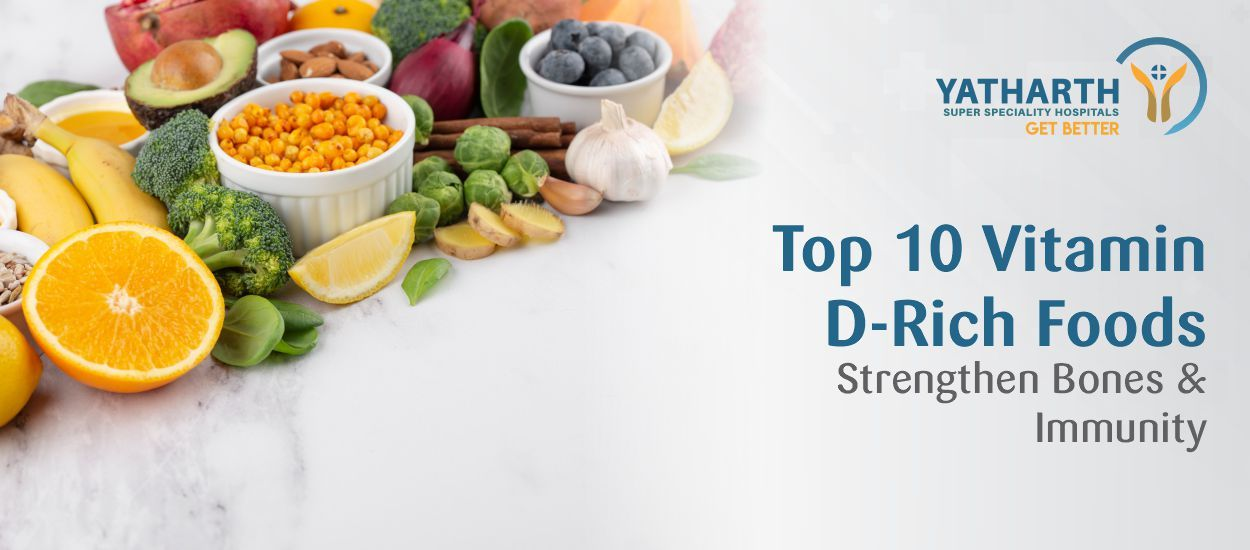


Vitamin D deficiency is much more common in India than what most people think, and the reasons are simple: limited sun exposure and inadequate dietary intake. Maintaining adequate vitamin D levels plays an important role in supporting overall health. When the body does not get enough vitamin D, it can affect bone and muscle health, increase fatigue and raise the risk of fractures. To help you keep your guards up, in this article, we’ll explore the top 10 vitamin D-rich foods to help you meet your vitamin D requirements and maintain bone health and immunity.
Why is Vitamin D Important?
Vitamin D helps the body absorb calcium and supports normal bone mineralisation, growth and maintenance. It also plays a role in normal muscle and immune function. Adequate vitamin D intake helps the body maintain these functions and supports bone health throughout life.
Daily Vitamin D Requirement
Daily vitamin D requirements vary by age. The recommended intake for healthy individuals is:
|
Age group |
Recommended vitamin D intake |
|
Birth to 12 months |
10 mcg (400 IU) |
|
1–13 years |
15 mcg (600 IU) |
|
14–18 years |
15 mcg (600 IU) |
|
19–70 years |
15 mcg (600 IU) |
|
Above 70 years |
20 mcg (800 IU) |
|
Pregnancy and breastfeeding |
15 mcg (600 IU) |
Note: These recommendations provide a general guide for healthy individuals. People with vitamin D deficiency or certain medical conditions may have different nutritional or treatment needs. A nutritionist can help assess individual nutrient requirements and provide appropriate dietary guidance.
Top 10 Vitamin D-Rich Foods
Including vitamin D-rich foods in regular meals can help individuals increase their dietary vitamin D intake and meet daily requirements. Here are 10 vitamin D-rich foods that can be easily included in everyday meals.
Fatty Fish
Fatty fish provide vitamin D along with protein and healthy fats. The vitamin D content varies by fish and serving size. Examples include:
- Salmon: Around 10-20 mcg (400-800 IU) of vitamin D may occur in a typical 3-ounce serving, depending on the type of salmon.
- Mackerel: Provides vitamin D in a typical serving and can be included as part of a main meal.
- Sardines: Provide vitamin D along with calcium and protein, particularly when individuals eat the edible bones.
- Trout: Provides vitamin D and can form part of a balanced meal with vegetables, whole grains or other nutrient-rich foods.
- Tuna: Contains vitamin D and can be used in salads, sandwiches or cooked dishes.
Fatty fish can be grilled, baked or added to curries, salads, sandwiches and rice-based meals. Including fish as part of regular meals can help individuals obtain vitamin D through the diet.
Egg Yolks
Egg yolks contain naturally occurring vitamin D. One large egg provides approximately 1.1 mcg (44 IU) of vitamin D, although the amount can vary depending on the hen's diet and other factors.
Eggs can be included in breakfast as boiled, poached, or scrambled eggs. You can also add them to sandwiches, salads, wraps, and cooked vegetable dishes.
Fortified Milk
Some milk contains added vitamin D to increase its nutritional value. A cup of fortified milk may provide around 2.5-3 mcg (100-120 IU) of vitamin D, although the amount varies between products.
Fortified milk can be consumed as a drink or added to porridge, breakfast cereals, smoothies, tea and coffee. Individuals should check the nutrition label to confirm the amount of vitamin D provided per serving.
Fortified Plant-Based Milk
Soy, almond, oat and other plant-based milk alternatives may contain added vitamin D. A cup of fortified plant-based milk can provide around 2.5-3 mcg (100-120 IU) of vitamin D, depending on the product.
These beverages can be used in smoothies, porridge, cereals, tea, coffee and other recipes. Individuals should choose fortified products and check the nutrition label for the vitamin D content per serving.
Fortified Breakfast Cereals
Some breakfast cereals contain added vitamin D. The amount varies considerably between products because manufacturers add different amounts of the nutrient.
Individuals can include fortified cereals with fortified milk or plant-based milk at breakfast. Adding fruit, nuts or seeds can provide additional nutrients and make the meal more balanced. Checking the nutrition label can help identify cereals that provide a useful amount of vitamin D per serving.
Fortified Yoghurt
Some yoghurt products contain added vitamin D. The amount depends on the brand and product, so individuals should check the nutrition label for the vitamin D content.
Fortified yoghurt can be eaten at breakfast or as a snack. It can also be combined with fruit, nuts or seeds, or added to smoothies. Products that also contain calcium can contribute to overall bone-supporting nutrition.
Fortified Orange Juice
Some orange juice contains added vitamin D. A serving of fortified orange juice may provide around 2.5-3 mcg (100-120 IU) of vitamin D, although the amount varies by product.
Individuals can include fortified orange juice with breakfast or another meal. The nutrition label should confirm whether vitamin D has been added and how much the product provides per serving.
UV-Exposed Mushrooms
Certain mushrooms can produce vitamin D2 when exposed to ultraviolet (UV) light. The amount of vitamin D can vary according to the type of mushroom, the duration of UV exposure, and how the product is processed.
UV-exposed mushrooms can be added to soups, stir-fries, curries, pasta, sandwiches and other vegetable dishes. Individuals following a vegetarian diet can include them as part of a varied diet containing other vitamin D sources.
Cod Liver Oil
Cod liver oil contains vitamin D along with vitamin A and omega-3 fatty acids. The vitamin D content depends on the product and serving size, so individuals should follow the serving information on the label.
Cod liver oil is available as a liquid or in capsule form. Individuals should avoid taking more than the recommended amount because excessive intake of fat-soluble vitamins can cause harm. Anyone taking vitamin D or vitamin A supplements should discuss total intake with a doctor or nutritionist.
Cottage Cheese
Cottage cheese is a good source of protein and contains a small amount of vitamin D. Individuals can include cottage cheese in salads, sandwiches, on whole-grain toast, or with vegetable dishes. When choosing cottage cheese as a source of vitamin D, individuals should check the nutrition label to see whether the product contains added vitamin D and how much it provides per serving.
Can Food Alone Correct Vitamin D Deficiency?
Food can increase vitamin D intake, but diet alone may not correct an established deficiency. Vitamin D status depends on dietary intake, sunlight exposure, absorption, and other individual factors. Individuals with confirmed deficiency may need supplements or other treatment based on medical advice. High-dose vitamin D supplements should not be taken without medical guidance because excessive intake can cause adverse effects.
Signs of Vitamin D Deficiency
Vitamin D deficiency may develop without obvious symptoms, particularly in its early stages. When symptoms occur, they can be mild and may overlap with other health conditions. Common signs can include:
- Bone pain: Low vitamin D can affect bone health and may cause pain or tenderness in the bones.
- Muscle weakness: Individuals may experience reduced muscle strength, which can affect everyday activities.
- Muscle aches or cramps: Some individuals may develop unexplained muscle discomfort or cramps.
- Fatigue: Persistent tiredness or low energy can occur, although many other conditions can also cause fatigue.
- Frequent fractures: Severe or prolonged deficiency can weaken bones and increase the risk of fractures.
- Delayed growth in children: Severe vitamin D deficiency can affect normal bone development and growth in children.
These signs do not confirm vitamin D deficiency on their own. For proper evaluation, individuals should consult a doctor. A doctor can consider the patient's symptoms, dietary intake, medical history, and risk factors and may recommend a blood test when appropriate. The results can help determine the vitamin D level and guide appropriate treatment, which may include diet therapy.
Consult a Nutritionist at Yatharth Super Speciality Hospitals
Food choices can help increase dietary vitamin D intake, but individuals need to consider the type and amount of food that best fits their nutritional needs. At Yatharth Super Speciality Hospitals, we provide Nutrition & Health services for patients seeking nutrition counselling and management of nutrition-related health problems. Our experienced nutritionists and dietetics team assess individual nutritional requirements and provide dietary guidance based on each patient's health and nutritional needs. Individuals who need personalised guidance on vitamin D intake or other nutrition-related concerns can consult our Nutrition & Health team by calling 8800550057.