

Growing older should come with opportunities to stay connected, make independent choices and enjoy a meaningful life. Older persons contribute to families, workplaces and communities through their experience, skills, caregiving and leadership. Recognising these contributions also means addressing the barriers that can affect their health, dignity and participation.
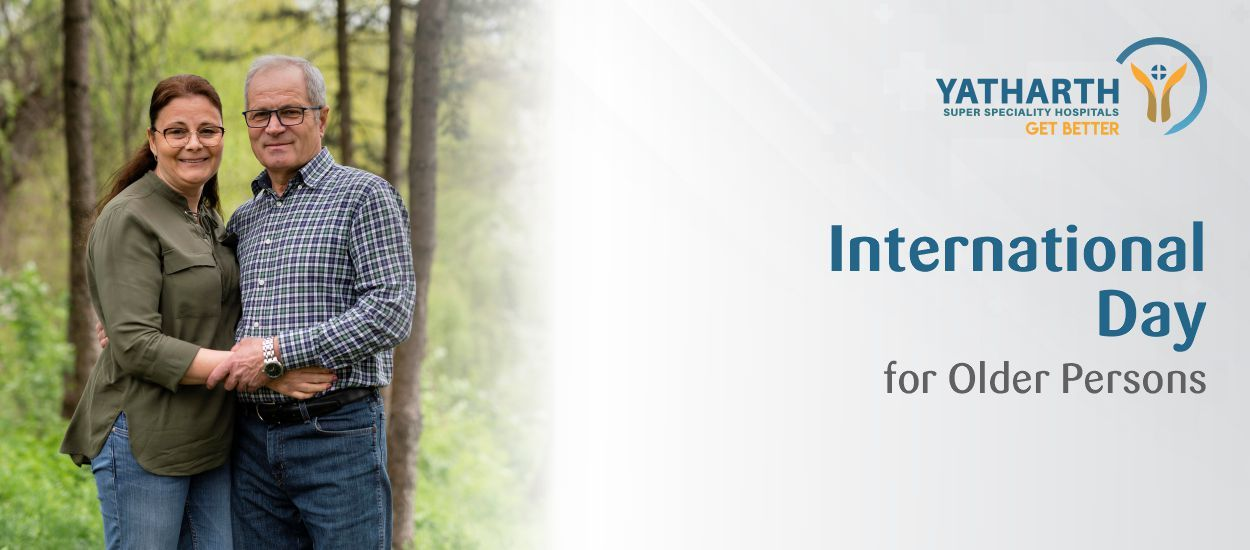
International Day of Older Persons 2026 will be observed on Thursday, 1 October. This annual observance recognises the contributions of older people and draws attention to their rights and well-being. It is an opportunity for families, healthcare providers and communities to consider how they can make everyday life more inclusive.
From nutritious meals and accessible healthcare to meaningful conversations and safer public spaces, small changes can help older adults continue doing the things that matter to them.
What Is the Theme of International Day of Older Persons 2026?
An official 2026 theme could not be verified from the UN sources available at the time of writing. Regardless of the annual theme, the day offers an opportunity to discuss dignity, inclusion, access to care and the participation of older people in decisions that affect their lives.
Why Is International Day of Older Persons Important?
It recognises contributions across generations
Older people play many roles: parents, grandparents, professionals, business owners, volunteers, neighbours and community leaders. Their contributions continue well beyond retirement.
The observance encourages us to recognise people for their interests, capabilities and achievements, rather than making assumptions based on age.
It brings attention to different experiences of ageing
There is no single way to grow older. Some people remain highly active into later life, while others need support with mobility, memory, personal care or daily tasks.
The World Health Organization explains that ageing is influenced by physical and social environments as well as individual characteristics. Support should therefore respond to the person’s circumstances, preferences and abilities.
It encourages respect and participation
Respect means listening to older adults and involving them in decisions. This includes everyday choices about meals and activities, as well as larger decisions about healthcare, finances and living arrangements.
Offering help should preserve the person’s sense of control wherever possible.
What Does Healthy Ageing Mean?
Healthy ageing is about maintaining the ability to live well and take part in meaningful activities. A person can live with a long-term health condition and still enjoy independence, relationships and a fulfilling daily routine.
For one person, healthy ageing may mean continuing to work or travel. For another, it may mean managing pain, moving safely around the home or meeting friends regularly.
Conditions that become more common in later life include hearing and vision problems, osteoarthritis, diabetes, depression and dementia. Some older adults experience several conditions together, making coordinated, personalised care especially useful.
Nutrition for Older Adults: Making Everyday Meals Count
Food supports daily energy, muscle health and overall well-being. However, shopping difficulties, dental problems, changes in appetite or eating alone can make regular meals harder to manage.
A useful starting point is to ask: Is the person eating enough, enjoying their food, and able to prepare or access suitable meals?
Include a variety of protein foods
Protein foods can be included across meals using familiar ingredients such as:
- Dal, beans and other pulses.
- Milk, curd and paneer.
- Soy foods and tofu.
- Eggs.
- Fish, chicken or other lean meat, according to preference.
For example, breakfast could include moong dal chilla with curd, while lunch could include dal or beans alongside vegetables and rice or roti. The National Institute on Aging recommends variety within protein foods as part of a balanced eating pattern.
Choose variety over a restrictive food list
Vegetables, fruit, whole grains, pulses and suitable protein foods can help make meals more varied and nourishing.
Practical Indian meal combinations might include:
|
Meal |
Example |
|
Breakfast |
Vegetable besan chilla with plain curd |
|
Lunch |
Dal, cooked vegetables and roti or rice |
|
Snack |
Fruit with plain curd, if tolerated |
|
Dinner |
Vegetable khichdi with an additional suitable protein food |
These are meal ideas, not a prescribed diet. Portions, ingredients and textures should reflect appetite, preferences, medical conditions and chewing ability.
Make drinking fluids part of the routine
Keep drinking water easy to reach and offer fluids regularly. Fluid needs vary, and people who have been prescribed a fluid restriction should follow their healthcare professional’s advice.
The National Institute on Aging also advises older adults to pay attention to hydration and nutrient intake, including vitamin B12. Supplements should be discussed with a healthcare professional rather than added automatically.
Make food enjoyable and accessible
Ask which foods the person enjoys and what makes eating difficult. A favourite meal, company at the table or help with grocery shopping may be more useful than handing over a complicated diet chart.
Persistent difficulty eating, an ongoing decline in appetite or unexpected weight loss deserves individual assessment.
Physical Activity: Supporting Strength, Balance and Confidence
Movement can be adapted to different abilities. Walking, gardening, dancing and suitable seated activities may all help someone stay active.
For adults aged 65 and older, WHO guidance recommends:
- 150–300 minutes of moderate-intensity aerobic activity a week, or an equivalent amount of vigorous activity.
- Muscle-strengthening activities on at least two days a week.
- Varied activities that emphasise balance and strength on at least three days a week.
These are general goals. Start with manageable amounts and increase gradually according to ability; some activity is better than none.
Anyone who has not exercised for some time, has a health condition or is unsure about safe movement should discuss suitable activities with a healthcare professional.
A family member might offer to join a short walk, help find an accessible exercise class or arrange transport to an activity the person enjoys.
Emotional Well-Being and Social Connection Matter
A person may live with family and still feel lonely. Meaningful connection depends on feeling heard, valued and included.
Bereavement, retirement, reduced mobility and changes in social networks can affect emotional well-being. WHO identifies loneliness and social isolation as concerns that can affect both physical and mental health.
Families and communities can help by:
- Making time for conversations without distractions.
- Supporting contact with friends and relatives.
- Encouraging hobbies chosen by the older person.
- Arranging accessible community activities.
- Offering help with phone or video calls when wanted.
- Including older adults in everyday plans.
Persistent sadness, anxiety, withdrawal or loss of interest should be taken seriously. Mental health problems are not an inevitable part of ageing, and professional support can help.
Making Healthcare Easier to Access
Healthcare can become difficult to navigate when someone has several appointments, prescriptions or transport needs.
International Day of Older Persons is a useful occasion to ask what practical support would help. With the person’s agreement, families can:
- Help organise medical records and appointment dates.
- Keep an updated list of medicines to discuss with clinicians.
- Write down the person’s questions before a consultation.
- Arrange transport or accompany them if requested.
- Ask whether written instructions can be provided in an accessible format.
During appointments, speak directly to the older person and allow time for their questions. Their understanding, preferences and consent should remain central to the conversation.
How Families Can Mark International Day of Older Persons
Ask what would make the day meaningful
Some people may enjoy a family gathering; others may prefer a quiet meal, a visit to a favourite place or time with a friend.
Begin with their preference rather than assuming what they need.
Listen to their experiences
Invite an older relative or neighbour to share a skill, story or memory. With permission, record a family recipe, an account of their working life or advice they would like to pass on.
Offer one practical improvement
Help with a task they have chosen: arranging an appointment, learning a phone feature, repairing a light or finding an accessible local activity.
Make inclusion a regular commitment
Agree on a realistic routine, such as a weekly visit, a shared meal, or a regular phone call. Consistency matters more than a single celebration.