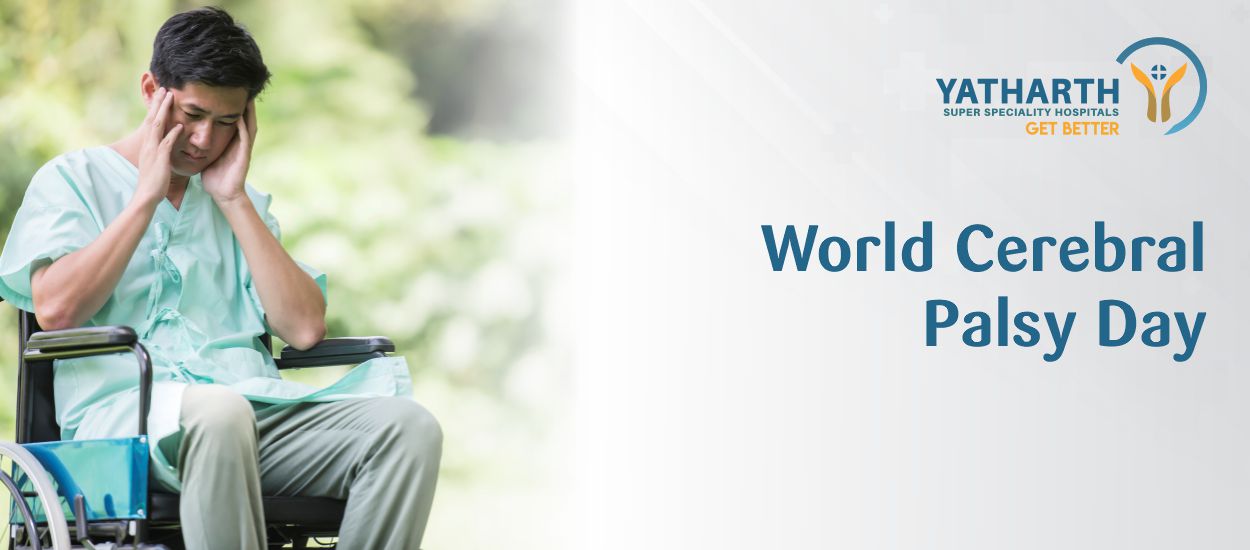


Every person with cerebral palsy has their own interests, abilities, ambitions and support needs. For some, everyday challenges involve movement or balance. Others may need support with communication, eating or personal care. Understanding these differences is essential to providing appropriate care and creating opportunities for participation.
World Cerebral Palsy Day 2026 will be observed on Tuesday, 6 October. The annual movement brings together people with cerebral palsy, families, healthcare professionals and communities to promote awareness, equal opportunities and meaningful change.
The day is an opportunity to learn about cerebral palsy, recognise developmental concerns early and consider how schools, workplaces and public services can become more accessible.
What Is the Theme of World Cerebral Palsy Day 2026?
The 2026 campaign uses “Unique and United,” with the hashtag #UniqueANDUnited. It invites people with cerebral palsy and their supporters to identify a change they want to see and connect with someone who can help make it happen.
Examples include better access to lifelong healthcare, inclusive education, assistive technology, employment and representation in public life.
What Is Cerebral Palsy?
Cerebral palsy, often called CP, is a group of conditions that affect movement, balance and posture. It results from abnormal development of, or injury to, the developing brain.
Its effects vary considerably. Some people walk independently, while others use walking aids or wheelchairs. Support needs may also differ across activities and stages of life.
A diagnosis does not describe everything about a person. Understanding their communication preferences, goals and everyday environment is as important as understanding their physical symptoms.
What Are the Main Types of Cerebral Palsy?
Doctors commonly describe cerebral palsy according to the main movement difficulties involved.
|
Type |
Main characteristics |
|
Spastic cerebral palsy |
Increased muscle stiffness that can make movement difficult |
|
Dyskinetic cerebral palsy |
Involuntary movements and muscle tone that may vary |
|
Ataxic cerebral palsy |
Difficulties with balance, coordination and precise movements |
|
Mixed cerebral palsy |
Features of more than one type |
Spastic cerebral palsy is the most common type. The parts of the body affected also vary: symptoms may involve one side, mainly the legs, or several parts of the body.
What Causes Cerebral Palsy?
Cerebral palsy develops when the brain areas involved in controlling movement develop differently or are injured during early development. This can happen before birth, around birth or during early childhood.
Possible contributing factors include infections, problems affecting the developing brain’s blood supply and early brain injury. In many cases, the exact cause is not identified.
Cerebral palsy is not always caused by a lack of oxygen during delivery. That explanation accounts for only a minority of cases.
Premature birth and low birth weight are recognised risk factors. Having a risk factor increases the likelihood of a condition; it does not mean a child will definitely develop it. Families need clear information and support rather than assumptions about blame.
Early Signs of Cerebral Palsy in Children
Early signs can be subtle and may become clearer as a child develops. Parents may notice differences in movement, muscle tone or the acquisition of new skills.
Possible signs include:
- Delays in sitting, standing or walking.
- Muscles that appear unusually stiff or floppy.
- Weakness in the arms or legs.
- Uncontrolled or jerky movements.
- Persistent difficulties with balance or coordination.
- Walking on tiptoes.
- Delayed speech
These signs can occur for reasons other than cerebral palsy. They should prompt an assessment rather than a diagnosis based on a checklist.
If you are concerned, note what you have observed and discuss it with a paediatrician or Neurologists. Short videos of the movement you are worried about may help explain your concern during the consultation.
How Is Cerebral Palsy Diagnosed?
Diagnosis involves reviewing a child’s development and examining movement, muscle tone, reflexes and posture.
The assessment may include:
- Developmental monitoring: Reviewing progress and listening to the family’s observations.
- Developmental screening: Checking for delays using structured tools.
- Specialist evaluation: Assessing possible causes and identifying the child’s support needs.
- Selected investigations: Brain imaging or other tests when clinically appropriate.
Doctors may also assess hearing, vision, communication and other areas of development. No single test is required in exactly the same way for every child.
Why Does Early Intervention Matter?
Early identification can help children access appropriate therapy, equipment and family support sooner.
Intervention should focus on practical goals that matter to the child and family. These might include playing comfortably, reaching for objects, communicating choices or participating in daily routines.
There is no single treatment programme that suits every child. A plan should be individualised and reviewed as needs change. Families can ask about suitable early support while the diagnostic assessment continues.
Useful questions for the care team include:
- What are the most important goals for the next few months?
- Which activities can we include comfortably in everyday routines?
- How will we know whether the approach is helping?
- Does our child need equipment or communication support?
- When should the plan be reviewed?
Treatment and Support for Cerebral Palsy
There is currently no cure for cerebral palsy, but treatment can improve comfort, function and participation. Care may involve several professionals working with the person and family.
Physiotherapy
Physiotherapy can support movement, strength and joint mobility. A physiotherapist may also advise on positioning, walking aids or braces where appropriate.
The programme should reflect the person’s abilities and goals rather than a standard set of exercises for everyone.
Occupational therapy
Occupational therapy helps people find ways to manage everyday activities such as dressing, using utensils, writing or accessing a computer. Adapted equipment and changes to the environment may make these activities easier.
Speech and communication support
Speech and language therapy can support communication. Some people benefit from communication boards, symbols or speech-generating devices.
Communication support should help the person express their own choices and ideas. Give them time to respond and use the method they prefer.
Medicines and surgery
Medicines may help manage symptoms such as muscle stiffness, pain or seizures. Selected patients may benefit from surgery for particular movement or joint problems.
These decisions require an individual assessment of likely benefits, risks and rehabilitation needs. Surgery does not cure cerebral palsy.
Feeding and Nutrition in Cerebral Palsy
Some people with cerebral palsy experience difficulty chewing or swallowing. Persistent feeding difficulties may affect nutrition and increase the risk of food or fluid entering the airway.
Support may include a swallowing assessment, dietetic advice, adapted feeding techniques or other interventions. Food texture and fluid consistency should follow professional recommendations; softer food or thinner liquids are not automatically safer for everyone.
Families can make consultations more useful by describing how long meals take, what the person finds difficult and whether eating appears uncomfortable. The aim is safe, adequate and enjoyable nutrition.
Cerebral Palsy in Adults: Support Across a Lifetime
Cerebral palsy is lifelong. Although the original brain disturbance does not progressively worsen, symptoms and support needs can change.
Adults may need reviews of mobility, equipment, pain, joint health and everyday functioning. New or worsening symptoms deserve assessment rather than being automatically attributed to cerebral palsy.
Planning the transition from children’s services to adult care is important. Healthcare, employment support and accessible housing should reflect the person’s changing priorities.
Inclusion in Schools, Workplaces and Communities
The World Cerebral Palsy Day movement calls for equal access and opportunities. Its focus includes barriers to education, healthcare, employment and community participation.
Practical steps can include:
- Providing step-free access and accessible toilets, swings and play areas.
- Offering alternatives to handwriting where needed.
- Allowing appropriate time for communication and tasks.
- Making digital information accessible.
- Including people with cerebral palsy in planning activities.
- Asking what adjustments would help rather than assuming.
- Addressing bullying and exclusion promptly.
A school trip, interview or community event should be planned with accessibility in mind from the beginning.
Speak directly to the person, even when a family member or support worker is present. Ask before helping or moving someone’s wheelchair or equipment.
How to Participate in World Cerebral Palsy Day 2026
Listen to people with cerebral palsy
Invite people to share the changes they would like to see. Obtain permission before sharing personal stories, photographs or health information.
Choose one practical improvement
A school might improve classroom access. A workplace could review its interview process. A hospital might make appointment information easier to use.
A clearly defined action is easier to follow through than a general promise of inclusion.
Include different ages and experiences
Awareness activities should represent adults as well as children, and people with different communication methods and support needs. Let participants decide how they want to be involved.