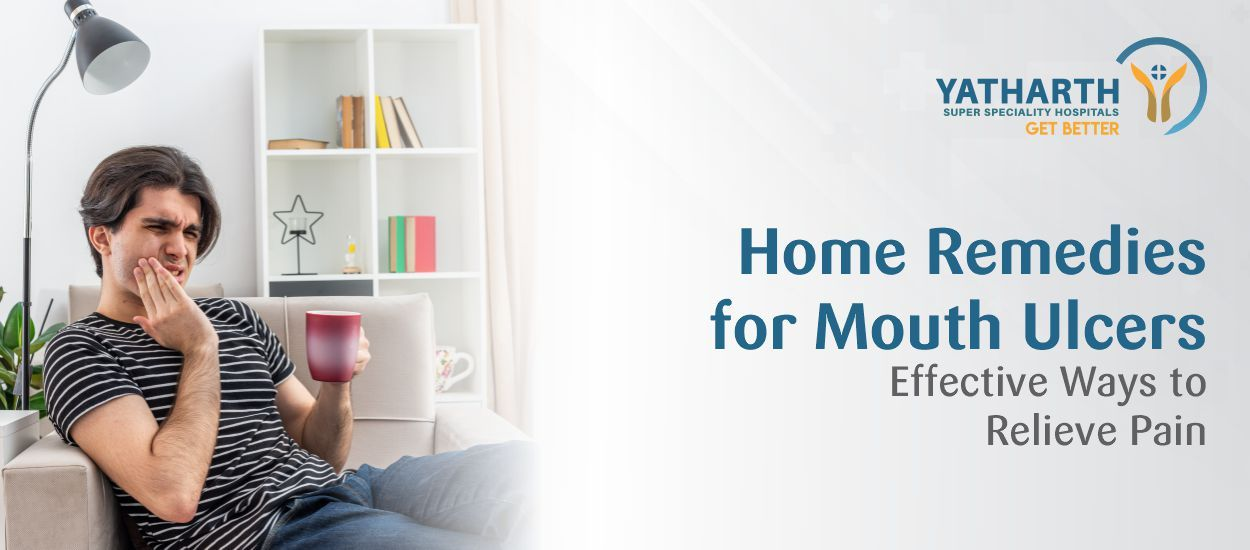


Mouth ulcers often appear without warning and can make every bite, sip, or conversation uncomfortable. While minor ulcers usually heal on their own, knowing how to ease irritation can make recovery easier. To help, in this guide, we’ll present some effective home remedies for mouth ulcers and highlight signs that may warrant medical intervention. But first, let’s cover some basics.
Understanding Mouth Ulcers
A mouth ulcer is a sore that develops on the soft tissues inside the mouth, including the inner cheeks, lips, tongue, gums or roof of the mouth. It may appear as a round or oval sore with a white or yellow centre and a red border. Mouth ulcers can cause pain or discomfort, especially when eating, drinking or speaking.
Common Causes of Mouth Ulcers
Several factors can trigger mouth ulcers, including:
- Minor injuries such as cheek or lip biting
- Stress or emotional strain
- Irritation from braces, dentures, or other dental appliances
- Certain foods that irritate the mouth
- Irritation from some oral-care products
- Nutritional deficiencies, particularly in recurrent cases
- Certain infections or underlying medical conditions
Types of Mouth Ulcers
Mouth ulcers can vary in size, appearance, and how often they occur. The common types include:
- Minor ulcers: Small, usually round or oval sores that generally heal within one to two weeks without scarring.
- Major ulcers: Larger and deeper sores that can cause significant pain and may take several weeks to heal. They can sometimes leave a scar.
- Herpetiform ulcers: Multiple small ulcers that may appear in clusters. Despite the name, they are not caused by the herpes virus.
Effective Home Remedies for Mouth Ulcers
Most minor mouth ulcers heal naturally without specific treatment. Simple home care can help relieve pain, reduce irritation, and make eating and drinking more comfortable while the ulcer heals.
Warm Salt-Water Rinse
A warm salt-water rinse can help keep the mouth clean and soothe an irritated ulcer.
How to use it:
- Dissolve half a teaspoon of salt in a glass of warm water.
- Gently swish the solution around the mouth.
- Spit it out rather than swallowing it.
- Repeat several times a day as needed.
Avoid using an excessively salty solution, as it may further irritate the mouth.
Baking Soda Mouth Rinse
A diluted baking soda rinse may help soothe mouth irritation.
How to use it:
- Mix one teaspoon of baking soda with half a cup of warm water.
- Gently rinse the mouth with the solution.
- Spit it out after rinsing.
Individuals should avoid swallowing the solution and stop using it if it causes increased irritation.
Ice for Temporary Pain Relief
Ice can temporarily numb the affected area and reduce discomfort. Individuals can allow a small ice chip to dissolve slowly over the ulcer instead of pressing ice directly against the sore. This may provide short-term relief when the ulcer makes eating or drinking uncomfortable.
Soft and Cool Foods
Soft, cool foods can reduce friction and irritation around the ulcer. Yoghurt, soft-cooked foods and other foods that feel comfortable in the mouth may be easier to eat while the ulcer heals.
Individuals should avoid foods that cause burning or irritation, particularly spicy, salty, acidic, very hot, rough or crunchy foods. Citrus fruits, spicy dishes, and crisps can aggravate the sore.
Gentle Oral Hygiene
Maintaining good oral hygiene can help prevent additional irritation and support overall oral health. Individuals should use a soft-bristled toothbrush and brush gently around the affected area.
A toothpaste without sodium lauryl sulphate may also help some individuals with recurrent ulcers, as this ingredient can irritate oral tissues in some people.
Adequate Fluid Intake
Mouth ulcer pain can make individuals drink less than usual. Adequate fluid intake helps maintain hydration while the ulcer heals. Cool drinks may feel more comfortable than very hot beverages.
Using a straw can also reduce direct contact between a drink and the ulcer when drinking causes discomfort.
Avoiding Sources of Irritation
Repeated irritation can make an ulcer more painful and interfere with healing. Individuals should avoid biting or picking at the sore and temporarily avoid tobacco and other products that irritate the mouth.
If a sharp tooth, dental appliance or recent dental procedure repeatedly irritates the same area, a dental evaluation can help identify and address the source.
When Mouth Ulcers Need Medical Evaluation
Persistent or unusual mouth ulcers can sometimes indicate an underlying condition and therefore require medical evaluation. Individuals should consult a doctor or dentist if a mouth ulcer:
- Lasts longer than three weeks
- Keeps returning frequently or appears before an earlier ulcer heals
- Becomes unusually large or painful
- Bleeds or becomes increasingly red and painful
- Makes eating or drinking difficult
- Appears on the lips or outside the mouth
- Occurs with fever or diarrhoea
- Appears along with ulcers on other parts of the body or painful, swollen joints
A doctor or dentist examines the ulcer and reviews its duration, appearance, symptoms and medical history. Severe, persistent or recurrent ulcers may require further evaluation to identify an underlying cause.
Medical treatment may include pain-relieving or protective topical products, mouth rinses or corticosteroid treatment when clinically appropriate. If nutritional deficiency or another health condition contributes to recurrent ulcers, treatment may also address the underlying cause.
Final Word
Most minor mouth ulcers heal on their own, and simple home care can help reduce pain and irritation during recovery. However, ulcers that persist, recur frequently or develop unusual symptoms require a medical evaluation. At Yatharth Super Speciality Hospitals, our Centre of Dental Sciences uses advanced equipment and experienced dentists to provide comprehensive dental care. Individuals with persistent, recurrent or unusual mouth ulcers can consult our dental specialists for a clinical evaluation and appropriate treatment. If the evaluation indicates a need for further assessment, patients can also consult ENT specialists or a dermatologist for a broader evaluation and appropriate care. To book a consultation, call 8800550057.