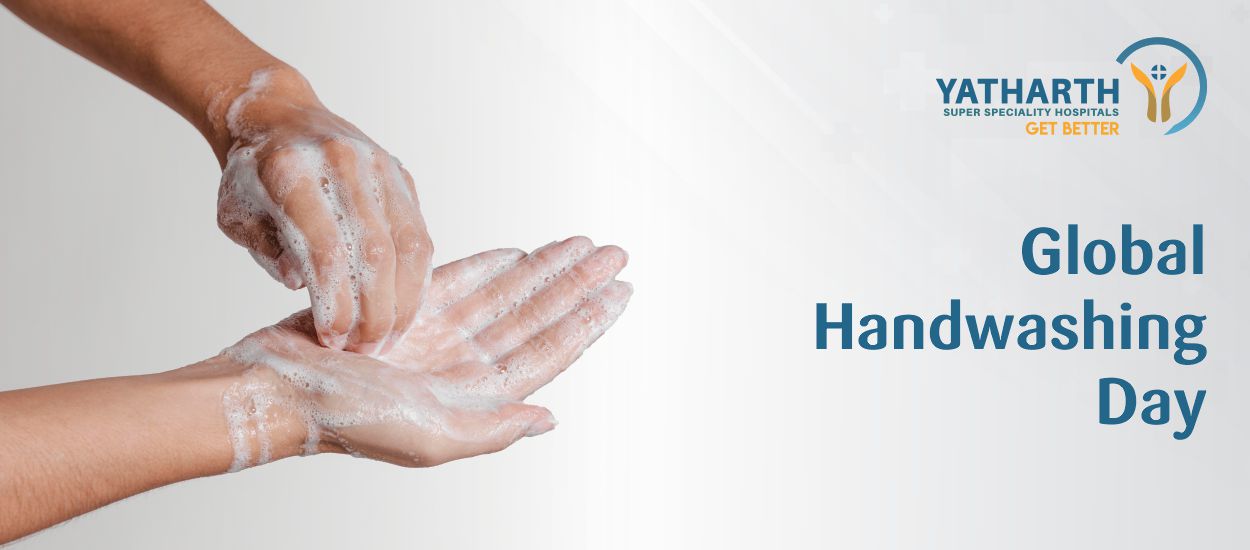


Global Handwashing Day 2026 will be observed on 15 October 2026. It is a global advocacy day dedicated to increasing awareness about the importance of handwashing with soap as a simple, effective and affordable way to help prevent infections and protect health. The Global Handwashing Partnership's multi-year theme is “Be a Handwashing Hero.”
Our hands come into contact with countless surfaces every day. We touch phones, door handles, desks, public transport, food, money and many other objects. Germs can transfer from contaminated surfaces to our hands and then reach our eyes, nose or mouth—or spread to other people.
The good news is that one of the simplest ways to reduce this risk is also one of the most accessible:
Wash your hands properly with soap and clean running water.
This Global Handwashing Day, the message is simple: clean hands can help protect individuals, families, healthcare workers and communities.
What Is Global Handwashing Day?
Global Handwashing Day is celebrated every year on 15 October. It was founded by the Global Handwashing Partnership as an annual advocacy day to promote handwashing with soap and encourage lasting improvements in hand hygiene.
The first Global Handwashing Day was held in 2008, with more than 120 million children participating in handwashing activities across more than 70 countries. Since then, the day has become an opportunity for schools, healthcare organizations, communities, governments, NGOs, businesses and individuals to promote good hand hygiene.
The campaign encourages people to make handwashing with soap a regular habit—especially at important moments when germs are more likely to spread.
What Is the Theme of Global Handwashing Day 2026?
The current multi-year theme for Global Handwashing Day is:
“Be a Handwashing Hero”
The theme recognizes people who promote and practice good handwashing and encourages everyone to become a Handwashing Hero.
A Handwashing Hero can be anyone:
- A child who washes their hands before eating
- A parent teaching children good hygiene habits
- A teacher promoting hand hygiene at school
- A healthcare worker following appropriate hand hygiene practices
- A food handler maintaining clean hands
- An employee encouraging hygiene at the workplace
- A community leader promoting access to handwashing facilities
The message is that everyone has a role to play in keeping hands clean and helping prevent the spread of infections.
Why Is Handwashing So Important?
Our hands can carry microorganisms that may cause illness.
When we touch our face, prepare food or interact with another person with contaminated hands, germs can potentially spread.
Handwashing with soap helps remove dirt, microorganisms and other contaminants from the hands.
Regular handwashing can help reduce the spread of infections and is particularly important in settings such as:
- Homes
- Schools
- Hospitals
- Offices
- Restaurants
- Public places
- Childcare facilities
- Healthcare facilities
- Food preparation areas
The Global Handwashing Partnership describes handwashing with soap as an easy, effective and affordable way to help prevent diseases and save lives.
What Can Happen If We Don't Wash Our Hands?
Poor hand hygiene can contribute to the spread of diseases.
Germs can move from:
Hands → surfaces → food → mouth
or
Hands → eyes/nose/mouth → infection
They can also spread through close contact with other people.
This is why handwashing is particularly important before handling food, after using the toilet, after coughing or sneezing, and after situations where hands may have become contaminated.
When Should You Wash Your Hands?
Knowing when to wash your hands is just as important as knowing how to wash them.
Important times include:
Before eating
Wash your hands before eating or handling food.
Before preparing food
Clean your hands before preparing meals, especially when handling raw ingredients.
After using the toilet
Hands can become contaminated with microorganisms after using the toilet, making handwashing essential.
After coughing, sneezing or blowing your nose
Respiratory secretions can transfer microorganisms to your hands.
After caring for someone who is sick
Handwashing can help reduce the risk of transferring germs.
After touching potentially contaminated surfaces
This may include public surfaces, waste or other materials that may carry germs.
After handling animals or animal waste
Wash hands after contact with animals, their food or waste.
Before and after caring for a wound
Clean hands are important when dealing with cuts, wounds or dressings.
After changing diapers
Wash your hands thoroughly after changing a baby's or child's diaper.
Before and after preparing food for children
Children can be particularly vulnerable to infections, making good hygiene practices important.
How to Wash Your Hands Properly
Simply putting your hands under water for a few seconds may not be enough.
Follow these basic steps:
Step 1: Wet your hands
Use clean, running water to wet your hands.
Step 2: Apply soap
Apply enough soap to cover all surfaces of your hands.
Step 3: Rub your hands together
Create a good lather and rub your hands thoroughly.
Make sure to clean:
- Palms
- Backs of hands
- Between fingers
- Fingertips
- Around and under fingernails
- Thumbs
Step 4: Scrub thoroughly
Continue rubbing your hands together for approximately 20 seconds.
A simple way to estimate the time is to hum or sing a short song while washing.
Step 5: Rinse
Rinse your hands thoroughly under clean, running water.
Step 6: Dry your hands
Dry your hands using a clean towel or appropriate hand-drying method.
Why Is Soap Important?
Water alone can remove some dirt and contaminants, but soap helps clean hands more effectively.
Soap helps loosen dirt, oils and microorganisms from the skin so they can be removed when hands are rinsed.
This is why washing hands with soap and water is preferable whenever available.
Can Handwashing Help Prevent Infections?
Yes. Good hand hygiene is an important part of infection prevention.
Handwashing can help reduce the spread of many infectious diseases, particularly those transmitted through contaminated hands.
It is especially valuable during periods when infectious illnesses are circulating widely.
However, handwashing is only one part of infection prevention. Other measures such as vaccination, respiratory hygiene, food safety, cleaning and appropriate healthcare practices can also be important depending on the situation.
Handwashing and Children's Health
Children often touch surfaces, toys and objects and may frequently put their hands near their mouths and faces.
Teaching children good handwashing habits early can help make hygiene part of their everyday routine.
Parents and teachers can encourage children to wash their hands:
- Before meals
- After using the toilet
- After playing outside
- After coughing or sneezing
- After touching animals
- When their hands are visibly dirty
Making handwashing fun can help children develop the habit.
Parents can use songs, colourful posters, demonstrations and simple games to teach children the correct technique.
How Can Schools Promote Handwashing?
Schools can play an important role in creating a culture of hand hygiene.
Schools can:
- Provide accessible handwashing stations
- Ensure soap and water are available
- Teach students correct handwashing techniques
- Display handwashing posters
- Encourage handwashing before meals
- Include hygiene education in classroom activities
- Train teachers and support staff
- Encourage parents to reinforce good hygiene at home
The goal should be to make handwashing a normal part of school life rather than something children are reminded about only during outbreaks.
Hand Hygiene in Hospitals and Healthcare Facilities
Hand hygiene is especially important in healthcare settings because patients may already be vulnerable to infections.
Healthcare workers come into contact with patients, medical equipment, surfaces and body fluids. Appropriate hand hygiene at the correct times is therefore an essential part of infection prevention and control.
WHO's World Hand Hygiene Day, observed on 5 May, specifically focuses on hand hygiene in healthcare. For 2026, WHO's message is “Action saves lives,” emphasizing that appropriate hand hygiene and infection prevention actions can help prevent healthcare-associated infections.
Global Handwashing Day and World Hand Hygiene Day are related but distinct campaigns:
|
Awareness Day |
Date |
Main Focus |
|
Global Handwashing Day |
15 October |
Handwashing with soap across homes, schools, communities and everyday settings |
|
World Hand Hygiene Day |
5 May |
Hand hygiene and infection prevention in healthcare |
|
International Infection Prevention Week |
19-25 October |
Handwashing vs Hand Sanitizer: Which Is Better?
Both can play a role in hand hygiene, but they are not interchangeable in every situation.
Soap and water
Washing with soap and clean running water is an excellent choice when hands are visibly dirty or contaminated.
Alcohol-based hand sanitizer
An appropriate alcohol-based hand sanitizer can be useful when soap and water are not readily available and hands are not visibly dirty.
However, sanitizer should be used according to product instructions, and handwashing with soap and water remains important whenever appropriate.
Common Handwashing Mistakes
Even people who regularly wash their hands may not clean them thoroughly.
Common mistakes include:
Washing for too little time
A quick rinse may not adequately clean all hand surfaces.
Missing the thumbs
Thumbs are often overlooked during handwashing.
Not cleaning between fingers
The spaces between fingers should be rubbed thoroughly.
Ignoring fingertips and nails
Fingertips frequently come into contact with surfaces and the face.
Not using soap
Soap improves the effectiveness of handwashing.
Not drying hands properly
After washing, hands should be dried appropriately.
Touching contaminated surfaces immediately afterward
Try to avoid recontaminating clean hands immediately after washing.
7 Simple Ways to Become a Handwashing Hero
You don't need to organize a large campaign to make a difference.
Make handwashing a habit
Wash your hands at key moments every day.
Teach children
Help children understand not just how to wash their hands but why it matters.
Lead by example
Children and other family members often learn by observing adults.
Keep soap available
Make sure soap and clean water are easily accessible at home.
Promote hand hygiene at work
Encourage good hygiene practices in offices and workplaces.
Share accurate information
Use Global Handwashing Day to spread practical, evidence-based hygiene messages.
Encourage access to handwashing facilities
Handwashing cannot become a consistent habit if people do not have access to soap, water and suitable facilities.
The Global Handwashing Partnership emphasizes the importance of advocacy for accessible handwashing facilities and continued promotion of handwashing beyond the awareness day itself.
Handwashing and Food Safety
Hands play an important role in food safety.
Before preparing or eating food, washing hands can help reduce the transfer of microorganisms to food.
Good hygiene is particularly important when:
- Preparing meals
- Handling raw meat or eggs
- Preparing food for children
- Preparing food for older adults
- Preparing food for someone who is ill
- Handling food in restaurants or commercial kitchens
Food handlers should follow appropriate hygiene and food-safety requirements.
Handwashing and Respiratory Infections
Respiratory infections can spread through droplets, aerosols, and contaminated hands or surfaces depending on the infection.
Washing hands after coughing, sneezing, or blowing your nose can help reduce the possibility of transferring microorganisms from your hands to surfaces or other people.
Good respiratory hygiene should be combined with appropriate hand hygiene.
Handwashing Myths and Facts
Myth 1: A quick rinse with water is enough.
Fact: Washing with soap and properly cleaning all hand surfaces is more effective than a quick water-only rinse.
Myth 2: Only children need to worry about handwashing.
Fact: People of every age benefit from good hand hygiene.
Myth 3: If your hands look clean, they don't contain germs.
Fact: Hands can carry microorganisms even when they look clean.
Myth 4: Hand sanitizer always replaces soap and water.
Fact: Sanitizer can be useful when soap and water aren't available, but washing with soap and water is important in many situations, particularly when hands are visibly dirty.
Myth 5: Handwashing is only important during disease outbreaks.
Fact: Handwashing should be a routine daily habit, not only an emergency response.
Myth 6: Washing hands once a day is enough.
Fact: Hands should be washed at multiple critical moments throughout the day.
Global Handwashing Day 2026: Why It Matters
Handwashing is one of those everyday actions that can easily be taken for granted.
We may spend considerable time thinking about medicines, exercise, nutrition and medical check-ups while overlooking a simple behaviour that can help reduce the spread of infections.
Global Handwashing Day reminds us that prevention can begin with something as simple as clean hands.
But awareness alone is not enough.
People also need access to:
- Clean water
- Soap
- Functional handwashing facilities
- Hygiene education
- Supportive environments
- Consistent reminders
The Global Handwashing Partnership emphasizes that Global Handwashing Day is intended to encourage lasting change, from policy-level action to community-driven efforts.
How Can Hospitals Observe Global Handwashing Day 2026?
Healthcare organizations can use Global Handwashing Day to educate patients, visitors and staff.
Possible activities include:
- Handwashing demonstrations
- Patient education sessions
- Awareness posters
- Doctor-led awareness videos
- Nursing staff demonstrations
- School outreach programmes
- Community awareness camps
- Hand hygiene quizzes
- “Be a Handwashing Hero” campaigns
- Social media awareness campaigns
- Hand hygiene pledge activities
For healthcare facilities, these activities can complement—not replace—formal infection prevention and control programmes.
Global Handwashing Day 2026: A Simple Habit, A Powerful Impact
Handwashing may take only a small amount of time, but its importance extends far beyond those few seconds.
Clean hands can help protect:
You → Your Family → Your Community
This Global Handwashing Day, let's remember that preventing infections is not only the responsibility of doctors and healthcare workers.
It starts with everyday choices made by all of us.
Be a Handwashing Hero
- Wash your hands.
- Use soap.
- Clean them properly.
- Teach others.
- Make hand hygiene a habit.
Because clean hands can help build healthier families and healthier communities.
Conclusion
Global Handwashing Day 2026, observed on 15 October, is a reminder that some of the simplest health habits can make an important difference.
Proper handwashing with soap can help reduce the spread of infections and protect individuals, families, schools, workplaces and communities.
- This year, don't just talk about hand hygiene.
- Practice it. Teach it. Promote it.
- Be a Handwashing Hero.
- Clean hands. Healthy habits. Safer communities.