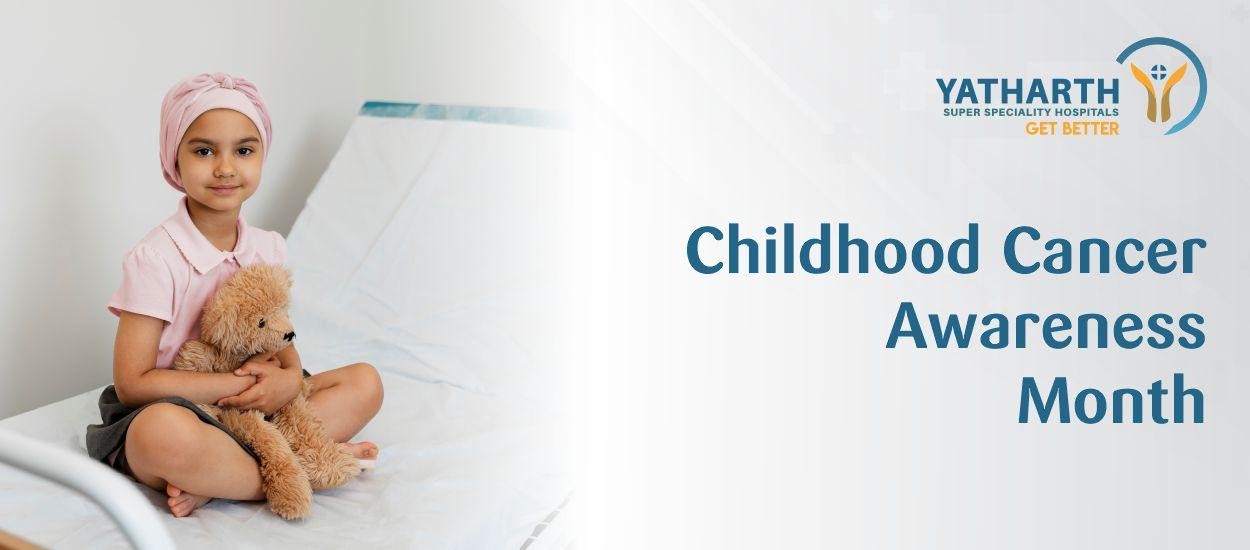


Every parent should be able to watch their child grow, learn, and dream without worrying about cancer. Childhood Cancer Awareness Month in 2026 is a yearly event observed throughout September that celebrates children who are fighting, or have fought, cancer and inspires hope for access to quality treatment.
Childhood cancer is significantly less common than cancer in adults, yet it is a significant global public health problem.
What Is Childhood Cancer Awareness Month?
Childhood Cancer Awareness Month is a yearly campaign aimed at raising awareness about childhood cancer, acknowledging children and families impacted by the disease, and advocating for better outcomes in childhood cancer.
The gold ribbon is the widely recognized symbol for childhood cancer awareness. Gold symbolizes the value of children and is a reminder of the power and resilience of youth patients.
Types of Childhood Cancer
Childhood cancer isn’t a single disease. There are many different types of cancer, each classified according to the organ or tissue where they originate.
Certain types of childhood cancers are more prevalent than others, and these are:
- Childhood leukemia: Cancer of the blood-forming tissues and bone marrow. It is one of the most frequently diagnosed cancers in children.
- Childhood brain tumors: These tumors grow in the brain or in nearby tissues and may produce symptoms based on their location and size.
- Lymphomas, which affect the lymphatic system.
- Neuroblastoma develops from immature nerve cells.
- Wilms tumour, a type of kidney cancer that mainly affects children.
- Bone and soft-tissue cancer, such as osteosarcoma and other sarcomas.
It is important to have some knowledge of the different types of childhood cancer, as the symptoms, diagnosis and treatment can be very different.
Childhood Cancer Symptoms: What Should Parents Watch For?
Possible early signs of childhood cancer may include:
- Unexplained or prolonged fever
- Extreme tiredness or feeling weak
- Unexplained weight loss
- Recurrent infections
- Easy bruising or bleeding abnormally
- Persistent headaches
- Changes in vision or balance
- Persistent bone or joint pain
- A lump or swelling that is unusual
- A pale complexion
- Abdominal swelling or persistent abdominal discomfort
Childhood Cancer Diagnosis
The diagnosis of childhood cancer is usually based on a combination of history, clinical examination and relevant investigations. Based on the symptoms, the child's doctor may suggest that he or she needs to undergo blood tests, imaging studies, bone marrow examination, biopsy or other specialised investigations. Since childhood cancers may at times be mistaken for more common childhood illnesses, it is important to see a doctor if symptoms are long-lasting or unusual.
Treatment for Childhood Cancer
Treatment for childhood cancer is based on the type of cancer and how advanced it is, as well as on the child’s age, overall health, and other factors. Treatment may involve chemotherapy, surgery, radiation therapy, targeted therapy, immunotherapy, or a combination of modalities.
Treatment is usually given by a team of specialists that includes paediatric oncologists. In addition to cancer-specific therapy, children may also need nutritional, psychological, rehabilitative and supportive care.
Childhood Cancer Survival and Support
Early diagnosis and treatment have increased childhood cancer survival rates for many types of pediatric cancer. But prognosis may differ by cancer type, stage, availability of treatment, and other factors.
Support for childhood cancer is very important. Children and their families may be confronted with emotional, educational, financial, and social obstacles during treatment. Emotional counselling, family support, educational services, and survivor follow-up can assist children and their caregivers on the journey.
Can Childhood Cancer Be Prevented?
Unlike some adult cancers, many childhood cancers cannot currently be prevented because their causes are often not linked to lifestyle factors that can be changed.
Prevention of childhood cancer, therefore, is mainly a matter of knowing risk factors where they exist, genetic counselling in selected cases, preventing known exposures and having suitable health care.
The focus should not be on blaming parents or children. Instead, awareness should encourage early recognition, appropriate medical evaluation and access to specialised care.
Important Childhood Cancer Facts to Remember
Some key facts about childhood cancer are:
- Childhood cancer is not a single disease but a group of different diseases.
- Symptoms may be similar to those of other common childhood diseases.
- Persistent or unexplained symptoms should be evaluated by a healthcare professional.
- Children can be treated earlier and more appropriately with a prompt and correct diagnosis.
- Childhood cancer affects the entire family, making emotional and social support an important part of care. Progress in paediatric oncology has led to better outcomes for many childhood cancers.
Conclusion
Awareness of childhood cancer can truly help make a difference. By wearing the gold childhood cancer awareness ribbon, you can spread awareness and provide comfort to those families who have been affected.
This Childhood Cancer Awareness Month 2026, let us be a beacon of awareness without fear, a celebration of the bravery of our young patients and survivors, and a pillar of support to every child and family facing cancer.