

Hearing difficulties and changes in vision are often assessed separately. However, when they occur together, particularly with difficulty seeing in dim light or problems with balance, an inherited condition called Usher syndrome may need to be considered.
Usher Syndrome Awareness Day 2026 falls on Saturday, 19 September. Observed on the third Saturday of September, the day promotes understanding, community connections and support for people living with this condition.
At Yatharth Hospitals, we encourage families to seek assessment for persistent hearing or vision concerns and understand the support available for their individual needs.
What Is Usher Syndrome?
Usher syndrome is a rare genetic condition that causes hearing loss and an eye disease called retinitis pigmentosa, or RP. Some people also experience balance difficulties.
RP affects the retina, the light-sensitive tissue at the back of the eye. Vision changes usually develop progressively, often beginning with difficulty seeing at night and reduced side vision.
Usher syndrome is a leading inherited cause of combined hearing and vision loss. The severity and timing of symptoms vary between individuals.
Why Is Usher Syndrome Awareness Important?
Hearing loss may be identified before vision changes become noticeable. Without awareness of the connection, families may not know to discuss night-vision difficulties or balance concerns during a hearing consultation.
Usher syndrome awareness can help people:
- Recognise when hearing and vision concerns need coordinated assessment.
- Understand the role of genetic counselling.
- Access communication and rehabilitation support.
- Plan suitable adjustments at school, work and home.
- Connect with others who share similar experiences.
Awareness should also promote inclusion. People living with Usher syndrome have different abilities, communication preferences and support needs; a diagnosis does not define their ambitions or independence.
What Causes Usher Syndrome?
Usher syndrome results from disease-causing changes in genes involved in hearing, vision and, in some cases, balance.
It is usually inherited in an autosomal recessive pattern. This means an affected person has disease-causing variants in both copies of the relevant gene, typically one inherited from each parent. Parents who carry one affected copy often have no symptoms.
Usher syndrome is not contagious and is not caused by parenting, screen use, or ordinary dietary habits.
Usher Syndrome Types
The condition is traditionally grouped into three main clinical types.
|
Type |
Hearing |
Vision |
Balance |
|
Type 1 |
Usually severe to profound hearing loss from birth |
RP-related changes often begin in childhood |
Balance difficulties are common |
|
Type 2 |
Usually moderate to severe hearing loss from birth |
RP commonly becomes apparent in adolescence or early adulthood |
Usually relatively preserved |
|
Type 3 |
Hearing may be normal at birth, with progressive loss later |
Onset and progression of RP vary |
Difficulties may develop |
These patterns are general guides. Symptoms can overlap, and genetic assessment may clarify the diagnosis.
Usher Syndrome Symptoms to Recognise
Hearing Changes
Possible signs include hearing loss identified in infancy, difficulty understanding speech or worsening hearing over time. In children, reduced responses to sound or delayed spoken-language development may prompt hearing assessment.
Vision Changes
A person may struggle to see in dim lighting, take longer to adjust to darkness, or have difficulty noticing objects to the side. Reduced peripheral vision can make unfamiliar spaces harder to navigate.
Balance Difficulties
Some children may sit or walk later than expected because of inner-ear balance problems. Others may experience unsteadiness, particularly when visual information is limited.
These symptoms can have other causes and do not establish Usher syndrome on their own.
When Should You Seek Medical Advice?
Arrange an assessment if you notice:
- Hearing loss together with difficulty seeing at night.
- Progressive vision changes in someone with childhood hearing loss.
- Persistent balance concerns alongside hearing difficulties.
- A family history of Usher syndrome.
- New problems navigating familiar surroundings.
Do not wait for every symptom to appear before discussing concerns. Sudden hearing or vision loss requires urgent medical assessment rather than being assumed to be gradual Usher-related progression.
How Is Usher Syndrome Diagnosed?
Assessment brings together information about hearing, vision, balance, and family history.
Tests may include:
- Hearing assessment: Audiology tests to establish the type and degree of hearing loss.
- Eye examination: Assessment of the retina and visual function.
- Visual-field testing: Measurement of peripheral vision.
- Electroretinography: Testing the retina’s electrical response to light.
- Balance testing: When indicated by symptoms.
- Genetic testing: To help confirm the cause and guide counselling.
The combination of tests depends on age, symptoms and previous findings.
Usher Syndrome Treatment and Management
There is currently no cure for Usher syndrome. Care focuses on supporting communication, making the best use of available hearing and vision, and addressing changing needs.
Hearing Support
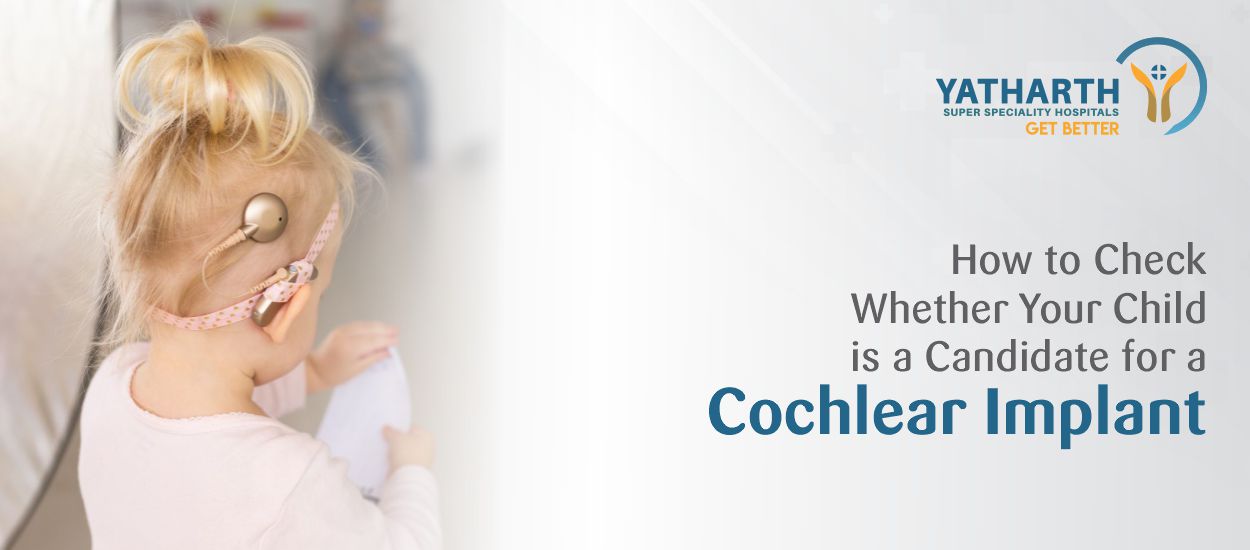
Hearing aids may help some people. A cochlear implant may be considered for suitable candidates after specialist assessment.
A cochlear implant can improve access to sound, but it does not restore natural hearing or treat the retinal condition. Programming, follow-up and rehabilitation are important parts of care.
Vision Rehabilitation
Low-vision services can help identify useful lighting, magnification, accessible technology and reading adaptations. Orientation and mobility training can support safer navigation.
Communication Support
Options may include spoken language, sign language, tactile communication, captions, or assistive technology. Support should follow the individual’s preferences and adapt as their needs change.
Balance and Daily Living Support
Appropriate rehabilitation and changes to the environment may help people manage mobility and everyday tasks. Emotional support can also be valuable during changes in hearing or vision.
Research and Emerging Treatments
Research into Usher syndrome continues, including approaches aimed at its genetic causes and progressive sensory changes.
Experimental therapies should not be presented as established cures. Ask a specialist about relevant research, eligibility, potential risks, and whether an intervention is approved or available only through a clinical trial. The Usher Syndrome Coalition provides information and connections to research opportunities.
Practical Usher Syndrome Support for Families
Support works best when the person is involved in decisions.
- Ask which communication method they prefer.
- Keep walking routes clear and furniture arrangements predictable.
- Discuss suitable lighting and contrast.
- Make educational and workplace information accessible.
- Plan appointments around communication and interpreting needs.
- Encourage participation in enjoyable activities.
- Offer emotional support without assuming what the person can or cannot do.
Children may need coordinated support from their healthcare team, teachers, and family. Peer networks can also help families exchange practical experiences.
Hearing Assessment and Care at Yatharth Hospitals
Yatharth Hospitals offers ENT services that include audiometry, hearing-aid support and cochlear implant services.
If hearing concerns occur alongside vision changes, mention both when booking. Your treating specialist can advise on the assessments and referrals required. Confirm service availability at your preferred hospital.
For a consultation, book through the Yatharth Hospitals website or call 8800550057.
Support Awareness, Accessible Care and Individual Choice
This Usher Syndrome Awareness Day, take persistent hearing and vision concerns seriously and help make information accessible. Contact Yatharth Hospitals to discuss hearing assessment and the next steps in care.