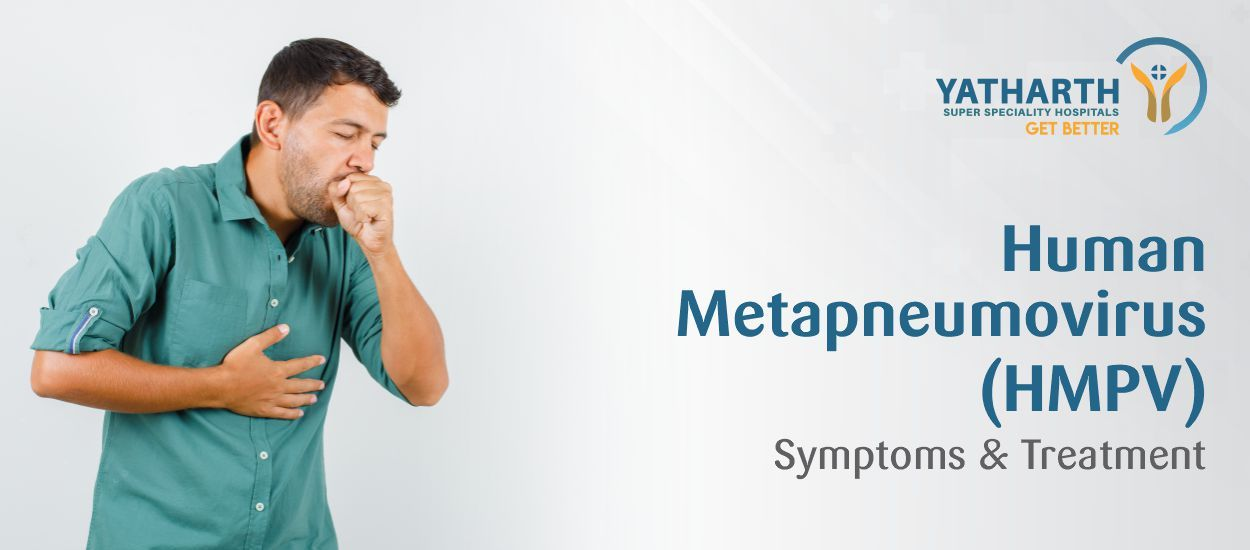


Human metapneumovirus, commonly known as HMPV, is a respiratory virus that can affect children and adults. It usually causes symptoms resembling a common cold, including cough, fever and a blocked or runny nose.
Most infections are mild. However, HMPV can sometimes affect the lower airways and lungs, particularly in young children, older adults and people with weakened immunity. Recognising breathing difficulties and dehydration is more important than trying to identify the virus from symptoms alone.
This guide explains HMPV symptoms, transmission, diagnosis, treatment, recovery and prevention, with practical advice for families and answers to common questions.
What Is Human Metapneumovirus?
Human metapneumovirus is a virus that causes infections of the respiratory tract, including the nose, throat, airways and lungs.
It is not a newly discovered virus. Scientists identified HMPV in 2001, and it has circulated in humans for many years. It is found worldwide and can cause repeated infections during a person’s lifetime.
An HMPV infection may remain a mild upper respiratory illness or develop into a more serious lower respiratory infection.
HMPV Symptoms
Common symptoms of HMPV include:
- Cough.
- Runny or blocked nose.
- Fever.
- Sore throat.
- Tiredness or reduced activity.
- Reduced appetite.
More significant illness may cause wheezing, shortness of breath, or worsening asthma symptoms. Bronchiolitis, bronchitis, and pneumonia can also occur.
Symptoms alone cannot reliably distinguish HMPV from RSV, flu, COVID-19, or other respiratory infections.
HMPV in Children
Many children experience a mild cold-like illness. However, young children may develop inflammation of the small airways, known as bronchiolitis, or pneumonia.
Parents should pay attention to:
- How comfortably the child is breathing.
- Whether feeding or drinking has decreased.
- The number of wet nappies or frequency of urination.
- Whether the child is alert and interacting normally.
- Whether symptoms are improving or becoming worse.
A young child who is struggling to breathe or becoming dehydrated needs assessment regardless of which virus is responsible.
Emergency Warning Signs in Children
Seek emergency care if a child has:
- Marked difficulty breathing, grunting or pulling in beneath the ribs.
- Pauses in breathing.
- Blue or grey lips, tongue or skin.
- Unusual floppiness or difficulty waking.
Arrange urgent medical assessment for significantly reduced feeding, signs of dehydration or worsening illness. A baby younger than three months with a temperature of 38°C or higher needs urgent assessment.
Do not wait for an HMPV test result before seeking help.
HMPV in Adults
Healthy adults often develop symptoms similar to a cold. However, severe illness can occur, especially in:
- Older adults.
- People with weakened immune systems.
- People with chronic lung disease, including asthma or COPD.
HMPV can worsen an existing breathing condition or cause pneumonia.
Adults should seek urgent care for significant breathing difficulty, chest pain, confusion or inability to maintain fluids. People at higher risk should contact a clinician early if their condition is worsening.
HMPV Causes and Transmission
HMPV infection occurs when the virus enters the respiratory tract.
It can spread through:
- Respiratory particles and secretions released by an infected person.
- Close personal contact.
- Touching contaminated surfaces and then touching the eyes, nose, or mouth.
Shared indoor spaces and close contact can make transmission easier. Hand hygiene, respiratory etiquette and ventilation help reduce opportunities for spread.
What Is the HMPV Incubation Period?
The incubation period—the time between infection and symptoms—is usually three to six days. This is different from the duration of illness or the period during which someone can spread the virus.
HMPV Diagnosis and Testing
Clinical Assessment
A clinician will assess symptoms, medical history, breathing and hydration. They may check oxygen levels and examine the chest.
Not everyone with a mild respiratory illness needs HMPV testing.
Nasal or Throat Swab
HMPV can be detected using a respiratory sample, commonly with a molecular test such as PCR. Some laboratories use a respiratory panel that checks for several viruses.
Testing may be more useful in severe illness, hospitalised patients or people at higher risk, particularly when identifying the cause helps guide care or infection-control decisions.
If you are arranging a consultation, note when symptoms began, the highest measured temperature, changes in breathing and any reduction in fluid intake.
Human Metapneumovirus Treatment
There is currently no routinely approved antiviral treatment specifically for HMPV. Treatment focuses on relieving symptoms and supporting breathing and hydration when needed.
Rest and Fluids
For mild illness, helpful measures include:
- Getting adequate rest.
- Drinking regularly.
- Taking small, frequent drinks if appetite is reduced.
- Choosing comfortable, easy-to-eat meals.
- Monitoring symptoms rather than focusing only on temperature.
Rest and hydration support recovery, but they do not replace medical assessment when breathing becomes difficult.
For infants, continue breast milk or usual formula feeds, offering smaller amounts more frequently if needed. Seek advice if intake falls substantially or wet nappies decrease.
Fever and Discomfort Relief
Paracetamol, also called acetaminophen, may help with fever-related discomfort or pain. Use the correct age-appropriate product and follow the label or clinician’s instructions.
Check combination cold medicines carefully to avoid taking the same ingredient twice. People with existing medical conditions should ask a clinician or pharmacist which medicines are suitable.
Nasal Congestion Care
Saline nasal drops or sprays can help relieve congestion. Gentle nasal suction may help infants when a blocked nose interferes with feeding.
Do not give young children over-the-counter cough and cold combinations without professional advice. These products can cause serious adverse effects, and age restrictions apply. Adult medicines should not be given to children.
Hospital Treatment for Severe Illness
Hospital care may include:
- Oxygen for low oxygen levels.
- Fluids when drinking is inadequate.
- Monitoring of breathing and other vital signs.
- More advanced breathing support in severe cases.
These treatments support the body while it recovers from the infection.
Do Antibiotics Treat HMPV?
No. Antibiotics do not treat the HMPV virus. A clinician may prescribe them if a separate bacterial infection is suspected or confirmed.
Similarly, inhalers, nebulisers and steroids are not universal treatments for HMPV. They may be used for a specific associated problem, such as an asthma or COPD exacerbation, following assessment.
How Long Does HMPV Last?
Mild HMPV illness often lasts a few days to about a week, although cough and tiredness can take longer to settle. More severe infections may require a longer recovery.
There is no fixed recovery period for everyone. Age, underlying health and complications affect the course of illness.
Seek reassessment if symptoms worsen, breathing becomes difficult or fever returns after initial improvement.
A useful home record includes:
|
What to monitor |
What to note |
|
Breathing |
Comfortable, faster than usual or visibly difficult |
|
Fluids |
Drinking normally or substantially less |
|
Urination |
Usual frequency or noticeably reduced |
|
Activity |
Alert and improving or unusually sleepy |
|
Overall progress |
Better, unchanged or worse than the previous day |
HMPV Complications
Possible complications include:
- Bronchiolitis: Inflammation of the small airways, particularly in young children.
- Bronchitis: Inflammation of the larger airways.
- Pneumonia: Infection affecting the lungs.
- Exacerbation of asthma or COPD.
- Dehydration from reduced intake.
- Respiratory failure in severe cases.
Most infections do not progress to these complications, but higher-risk patients need closer attention.
HMPV vs RSV vs Flu
|
Feature |
HMPV |
RSV |
Flu |
|
Cause |
Human metapneumovirus |
Respiratory syncytial virus |
Influenza viruses |
|
Common presentation |
Cold-like respiratory illness |
Cold-like respiratory illness |
Respiratory illness, often with fever and body aches |
|
Severe illness |
Can affect the lower airways and lungs |
Can cause bronchiolitis and pneumonia |
Can cause pneumonia and other complications |
|
Treatment |
Mainly supportive care |
Mainly supportive care |
Supportive care; prescription antivirals when indicated |
|
Specific prevention products |
No licensed HMPV vaccine currently |
Immunisation options for eligible groups |
Seasonal influenza vaccines |
Symptoms overlap considerably. Testing may be needed when the result would affect treatment. For example, influenza antivirals work best when started early, and prompt treatment is particularly important for high-risk patients.
Eligibility and availability of RSV and influenza prevention products depend on local recommendations.
HMPV Prevention
To reduce the spread of respiratory infections:
- Wash hands regularly.
- Cover coughs and sneezes.
- Improve indoor ventilation.
- Clean frequently touched surfaces.
- Avoid sharing cups and utensils while ill.
- Stay away from vulnerable people when you have symptoms.
- Consider a well-fitting mask when appropriate, particularly around higher-risk people.
There is currently no licensed HMPV vaccine. Flu and RSV immunisations protect against their respective infections, not HMPV.
When Can You Return to Work or School?
As a general respiratory-virus approach, the CDC advises returning to usual activities once, for at least 24 hours:
- Symptoms are improving overall; and
- Fever has resolved without fever-reducing medicine.
For the following five days, use additional precautions such as ventilation, hygiene, distancing and a well-fitting mask where appropriate. Follow local school, workplace and healthcare guidance, which may differ.