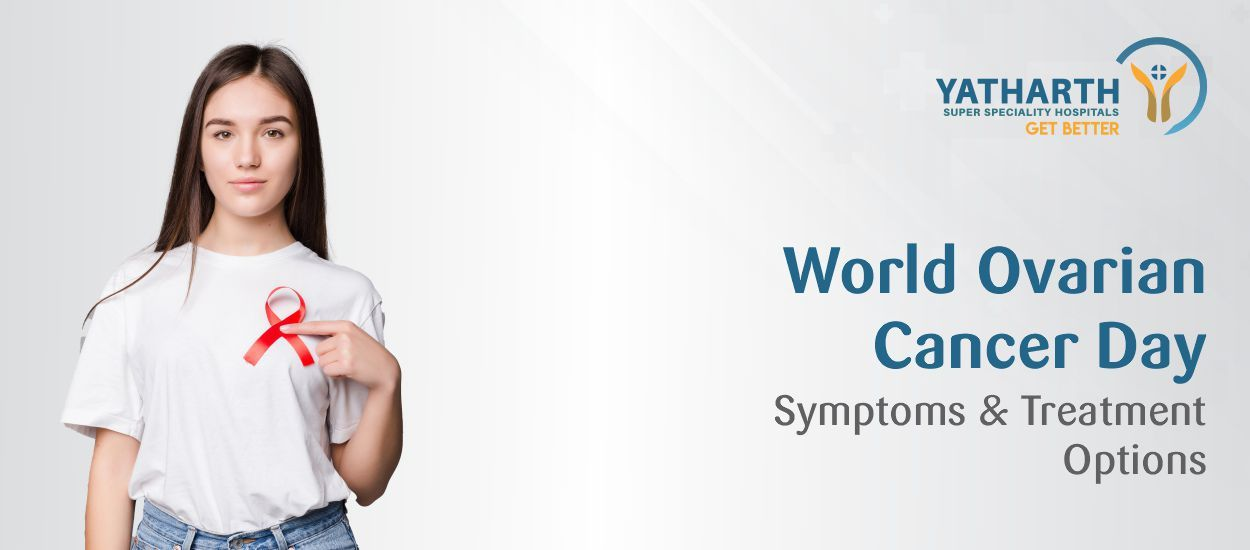


On May 8th each year, the global community observes World Ovarian Cancer Day, an important event which serves to raise awareness, promote early detection and offer support to women living with ovarian cancer. The theme for World Ovarian Cancer Day 2026 is “No Woman Left Behind” and it has a strong, global message of inclusivity.
This year’s focus reflects an important truth: knowing about ovarian cancer, being able to get diagnosed and receiving treatment should not be decisions dictated by your location, income, or societal barriers. Initiatives around ovarian cancer awareness day and worldwide awareness of ovarian cancer all help to ensure that every woman everywhere must have the awareness and care she deserves.
Understanding Ovarian Cancer
It starts in the ovaries and is among the hardest cancers to find in the early stages. Because of its vague symptoms, it is frequently missed until late stages. This emphasizes the importance of raising awareness about gynaecologic cancers within women’s healthcare.
World Ovarian Cancer Day 2026 Theme: No Woman Left Behind
The theme for World Ovarian Cancer Day 2026 “No Woman Left Behind” is a call for equity in healthcare. Calls on governments, healthcare providers, and communities to:
- Enhance early diagnosis of ovarian cancer
- Fortify healthcare systems
- Educate all women - across the globe
- Help patients independent of their financial background
This theme underlines the fact that awareness campaign efforts for ovarian cancer need to reach every woman — not just those who can easily afford to see a doctor.
Early Symptoms of Ovarian Cancer
Spotting the first symptoms of ovarian cancer can save your life. The most common symptoms of ovarian cancer are:
- Constant bloating
- Pelvic or abdominal pain
- Feeling full too quickly or not being able to eat
- Need to pass urine more often
- Fatigue you can’t explain
- Bowel pattern changes
Knowing about these symptoms is vital to make sure – nothing prevents a woman from coming forward with symptoms because she’s ill-informed or unaware.
Screening and Prevention of Ovarian Cancer
If you are at greater risk, your doctor might suggest the following ways to screen and monitor you:
- Pelvic Examinations: A hands-on exam during which a doctor examines the ovaries and other pelvic organs for signs of the size, shape and tenderness. It may not pick up on cancer at an early stage, but can identify certain visible abnormalities.
- Ultrasound Scans: Sound waves are used by this imaging procedure to produce images of the ovaries. It can identify cysts, tumours or any other abnormal growths and is many a time the first thing done when there are symptoms.
- Blood Test (CA-125): This test looks at the level of a protein called CA-125 in the blood, which might be higher than usual in ovarian cancer. It is not completely specific and is usually combined with other tests to achieve higher specificity.
Prevention and Risk Reduction of Ovarian Cancer
Though you can't always prevent ovarian cancer, there are some things you can do that may help lower your risk.
- Healthy Lifestyle
- Having a balanced diet
- Doing exercise
- No smoking
- Getting genetic counselling when there is a family history
Ovarian Cancer Treatment Awareness
Treatment options include the following:
- Surgery: Removes the tumour and affected organs to reduce the spread of cancer.
- Chemotherapy: Is the use of drugs to kill cancer cells or stop them from growing.
- Targeted Therapy: Targets specific pathways in cancer cells with less damage to normal cells.
- Hormone Therapy: Prevents hormones that may contribute to growth of a cancer in the body.
Importance of ovarian cancer awareness campaigns and activities
An effective ovarian cancer awareness campaign can be life-saving. These campaigns serve to:
- Inform women about symptoms and risks
- Timely medical visits
- Break stigma around gynaecologic health
- Support survivors and caregivers
Why Global Awareness Is More Important Now Than Ever Before?
Global ovarian cancer awareness is about more than just raising awareness – it’s about making a difference. Millions of women in the world still do not have access to the
most basic healthcare.
We can increase awareness of women’s health by:
- Encourage early diagnosis
- Lower mortality rates
- Better treatment outcomes
- Help women feel comfortable prioritizing their health
The 2026 theme is a call that awareness must be universal, relatable, and actionable.
A Collective Responsibility
World Ovarian Cancer Day 2026 is more than a day of observation – it’s a movement. The Appeal for “No Woman Is Left Behind” invites us all to make a difference, by imparting information, by being there for a woman who needs us or by campaigning for improved healthcare services.
Because real awareness is making sure that every woman, no matter who she is or what she does, has the chance to live a healthy and informed life.