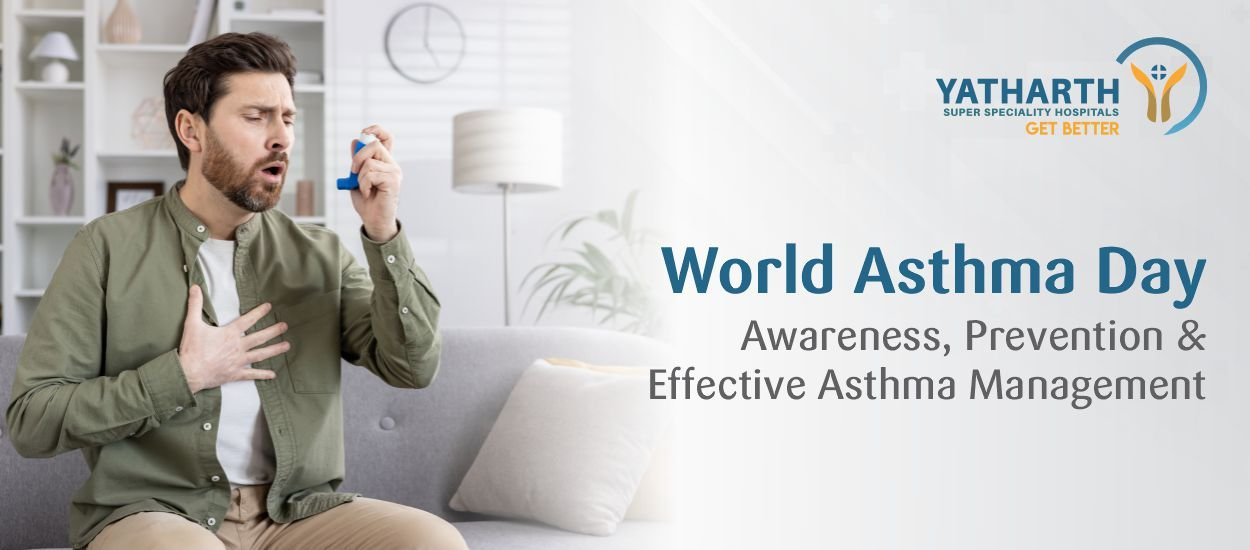


World Asthma Day 2026 is observed globally on the first Tuesday of May to raise awareness about asthma, a chronic respiratory disease affecting millions of people worldwide. This day emphasizes the importance of early diagnosis, proper treatment, and patient education to reduce asthma-related complications and improve quality of life.
Organized by the Global Initiative for Asthma (GINA), this campaign educates people on the necessity of timely, long-term and affordable asthma treatment.
What is Asthma?
Asthma is a long-term inflammatory disorder of the airways that leads to difficult breathing. In an asthmatic individual, the airways are narrowed, inflamed, and fill with mucus; thereby triggering recurrent problems. Asthmatics can be adults or children and require ongoing treatment rather than a cure.
Common Symptoms of Asthma
It is crucial to know asthma symptoms to identify this is early stage and avoid severe asthma attacks. Typical symptoms include:
- Shortness of breath
- Wheezing (a whistling sound while breathing)
- Chest tightness
- Chronic cough that is worse at night and/or early morning
If these symptoms occur frequently, it is important to consult a healthcare professional for proper evaluation.
Causes and Triggers of Asthma
Asthma is generally triggered by factors of the environment and of our lifestyle:
- Dust and outdoor pollutants
- Smoke(cigarette smoke and burning of materials)
- Dust, pollen and other allergenic elements
- Cold air or drastic changes in the weather
- Viral or other respiratory infections
- Stress and physical strain
- Certain medications like betablockers etc
Understanding and avoiding triggers is a key part of asthma control.
Importance of World Asthma Day 2026
World Asthma Day plays a crucial role in:
- Raising awareness about asthma symptoms and risks
- Encouraging early diagnosis and timely treatment
- Promoting correct inhaler usage
- Reducing myths and misconceptions about asthma
- Improving access to healthcare services
It reminds patients that asthma is manageable with proper care and lifestyle adjustments.
Asthma Diagnosis and Screening
Early diagnosis helps in better control of asthma. Doctors may recommend:
- Lung function tests (spirometry)
- Allergy testing
- Physical examination and medical history
Timely screening ensures that patients receive appropriate treatment plans.
Asthma Treatment Options Available
Asthma cannot be permanently cured, but it can be effectively controlled with proper treatment.
Inhaler Therapy
- Reliever inhalers: Provide quick relief during asthma attacks
- Controller inhalers: Used regularly to prevent symptoms
Nebulization
Used in moderate to severe cases, especially during emergencies or for children.
Oral Medications
Includes anti-allergic drugs and short-term steroids when required.
Advanced Treatments
Biologic therapies may be recommended for severe, uncontrolled asthma.
Tips to Manage Asthma Effectively
- Follow your doctor’s treatment plan strictly
- Use inhalers correctly and regularly
- Avoid known triggers
- Maintain a clean, dust-free environment
- Stay physically active with medical guidance
- Schedule regular follow-ups
When to See a Doctor?
You should consult a doctor if:
- You experience frequent coughing or breathlessness
- Symptoms worsen at night
- You rely frequently on a reliever inhaler
- Daily activities are affected due to breathing issues
Early medical intervention can prevent complications and improve long-term outcomes.
Conclusion
World Asthma Day 2026 serves as a reminder that asthma should not be ignored. With proper awareness, timely diagnosis, and consistent treatment, patients can lead a healthy and active life.