What is Osteoarthritis: Symptoms, Causes, and Risk Factors

What is Osteoarthritis: Symptoms, Causes, and Risk Factors

Table of Contents

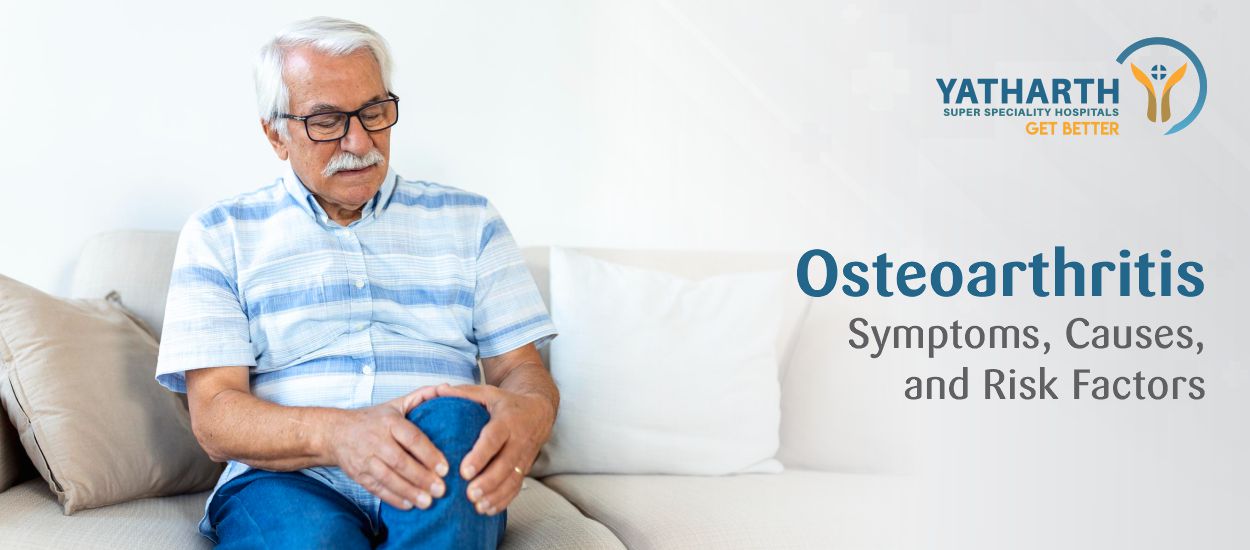
    Osteoarthritis is the most common type of Arthritis. The cartilage in our body breaks down and bones starts to rub with each other and it leads to pain and stiffness of that area. 

    While osteoarthritis is often associated with aging.  Many people dismiss early symptoms by saying, “im growing old so may be it is paining.” However, ignoring the signs can make the condition worse over time. 
    The good news is that early diagnosis and proper care can significantly slow the progression and helps to manage discomfort effectively.

    Osteoarthritis can affect any joint, but it most commonly impacts the knees, especially among people over the age of 40 and females. The wear and tear on the knee joints make everyday activities such as walking, climbing stairs, or even getting out of bed challenging.

    What are the Symptoms?

    • Swelling around the joint
    • Difficulty walking or performing daily tasks
    • Cracking sound during movement 
    • Joint pain

    What are the Causes of Osteoarthritis?

    • Aging
    • Joint injury 
    • Obesity
    • Genetics
    • Poor joint alignment

    What is prevention?

    • Have good balanced diet: You should start adopting good diet. A diet rich in fruits, vegetables, leanprotein, and healthy fats can help manage inflammation. Reduce your intake of processed foods and saturated fats. 
    • Exercise: Start focusing on your body by doing exercise. It helps you and your body to stay active. Exercise should not be intense but it should be low impact like swimming, dancing, walking, Yoga, cycling. You shouldn’t sit ideal because exercise will helps your joint to stay active.
    • Consult your DoctorYou should start consulting your doctor when you feel pain in your joints or knees. Untreated Joint pain will damage cartilage and early osteoarthritis. 
    • Be positive: Having osteoarthritis doesn’t mean that you are ill.  Yes patient has to face problems in walking or sitting but you have to stay strong and take care of your health physically and mentality.
    • Maintain weight: Extra body weight puts more stress on weight bearing joints like knees and hips. Keeping your BMI in a healthy range reduces joint wear and tear.

    Prevent Joint injuries as they lea to early arthritis.

    Osteoarthritis doesn’t have to limit your life. With early attention, lifestyle modifications, and medical guidance, you can manage pain effectively and continue to enjoy your daily activities. Don’t ignore the signs — listen to your body and give your joints the care they deserve.


    Frequently Asked Questions

    Which joints are most commonly affected?

    Osteoarthritis can affect any joint but most often occurs in the:
    • Knees
    • Hips
    • Hands and fingers
    • Spine (neck or lower back)

    How is osteoarthritis diagnosed?

    Diagnosis is based on:
    • Physical examination
    • Patient history and symptoms
    • X-rays or MRI scans to assess joint damage

    Can osteoarthritis be cured?

    There is currently no permanent cure, but the symptoms can be managed effectively through lifestyle changes, medications, physical therapy, and sometimes surgery.

    How can I prevent or slow down osteoarthritis?

    • Maintain a healthy weight
    • Stay physically active
    • Avoid repetitive joint strain
    • Eat a balanced, anti-inflammatory diet
    • Strengthen muscles around joints

    What lifestyle changes can help manage OA pain?

    • Regular low-impact exercises (like swimming, walking, or yoga)
    • Hot or cold compresses for relief
    • Using supportive footwear or braces
    • Practicing good posture

    When should I see a doctor?

    You should consult a doctor if you experience:
    • Persistent joint pain or stiffness
    • Swelling that doesn’t go away
    • Difficulty performing daily activities

    Verified by:

    Dr. Ritesh Dang
    Dr. Ritesh Dang
    Senior Consultant – Orthopaedics

    View Profile

    Most Read Blogs
    World AIDS Day 2025: Ending Stigma Through Awareness and Education

    World AIDS Day 2025 is observed on December 1st, marking a global commitment to raise awareness about HIV, support peopl...

    How to remove injury marks on the face

    When individuals are comfortable and confident, they tend to look their best. On the other hand, accidents or injuries t...

    Rhinoplasty: The Days Before and After Your Nose Job

    Commonly called a ‘nose job’, rhinoplasty remains one of the most popular forms of cosmetic surgery for people seeki...

    Irregular Periods (Menstruation): Causes, Symptoms, and Treatment Explained

    Menstruation is a natural process in women’s reproductive health, and therefore, any changes in its timing or flow are...

    Related Blogs
    Who is a Rheumatologist and Why Do You Need to See a Rheumatologist

    A rheumatologist is an internist or paediatrician who received further training in the diagnosis (detection), and treatm...

    Orthopaedic Care for Children Growth related Conditions and Treatment

    These growth-related issues require specialised knowledge and experrequiring requires them effectively. Identifying and ...

    Comprehensive Guide to Rheumatoid Arthritis: Symptoms, Diagnosis, and Treatment

    This comprehensive guide delves into rheumatoid arthritis (RA), covering its symptoms, diagnostic procedures, and treatm...

    Enquire Now