
CAR T-cell therapy is a form of cell therapy that empowers the body’s own immune system to fight cancer. This innovative approach involves extracting a patient's T-cells, a type of white blood cells essential for immune defense, and modifying them to recognise and destroy the cancer cells. The reprogramming is done in a laboratory, where the T-cells are genetically modified to express synthetic receptors known as chimeric antigen receptors (CARs).
These CARs are engineered molecules that enable the modified T-cells to identify and latch onto specific proteins present on cancer cells, which the natural immune system might otherwise overlook.
Here's how CAR T-cell therapy works:
This therapy has achieved significant success in treating certain blood cancers like leukemia and lymphoma. However, due to its complexity and intensity, it comes with potential risks, including cytokine release syndrome (CRS) and neurological side effects, which may require close monitoring and management.
Ideal candidates usually meet the following criteria:
While CAR T-cell therapy has shown significant success in treating certain cancers, it may also lead to side effects, some of which can be serious. The two most commonly observed complications are cytokine release syndrome (CRS) and neurological effects.
CRS is a systemic inflammatory response caused by the rapid activation of immune cells and release of cytokines after CAR T-cell infusion. It can range from mild to severe and typically occurs within a few days of treatment.
Common symptoms include:
CAR T-cell therapy may also affect the nervous system. These side effects often develop shortly after treatment and may resolve over time, but some can be more serious.
Neurologic symptoms may include:
Aside from CRS and neurologic symptoms, patients may experience additional side effects, such as:
Most side effects can be managed with prompt medical attention. Patients undergoing CAR T-cell therapy are closely monitored during and after treatment to detect and address any adverse reactions early.
CAR T-cell Therapy is available in hospitals in India at nearly 1/20th the cost compared to Western countries. The overall expense can vary based on several factors such as the hospital's infrastructure, location, room category, and any additional care required in case of complications.
Yatharth Hospital, offers state-of-the-art facilities and experienced oncologists and Bone Marrow Transplant specialists, providing CAR T-cell Therapy for cancer patients. At Yatharth Hospitals, we have a team of highly skilled and experienced oncologists and hematologists for performing CAR T-cell therapy. The hospital also employs a multidisciplinary approach, utilizing advanced diagnostic tools and monitoring techniques to enhance treatment precision and ensure patient safety. For personalised care plans and detailed cost estimates, we recommend reaching out to Yatharth Hospitals directly.
India’s leading specialists.
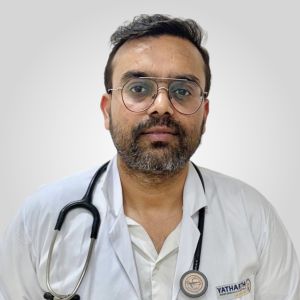
MBBS, MD, DrNB, ESMO Certified
Cancer and Bone Marrow Transplant
Medical Oncology

MBBS, MD (Internal Medicine), DM (Medical Oncology)
Cancer and Bone Marrow Transplant
Medical Oncology
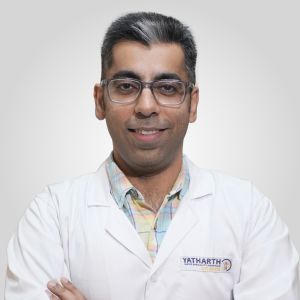
MBBS, MS (General Surgery), MCh, DNB (Surgical Oncology)
Cancer and Bone Marrow Transplant
Surgical Oncology
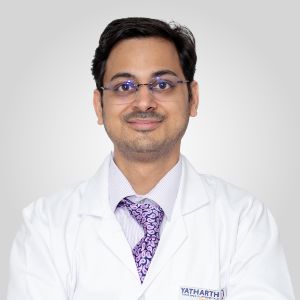
DNB, MD (Medicine), DM, (Med. Onco.), MRCP (UK), MRCP SCE (Med.Onco), ECMO
Haemato-Medical Oncology
Cancer and Bone Marrow Transplant
Medical Oncology

MBBS, MD, DrNB (Medical Oncology)
Cancer and Bone Marrow Transplant
Medical Oncology
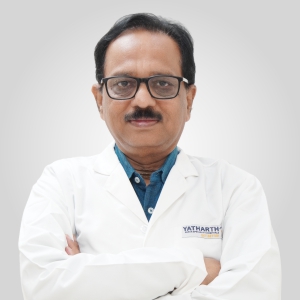
MBBS, MS, MCh (Surgical Oncology)
Cancer and Bone Marrow Transplant
Surgical Oncology
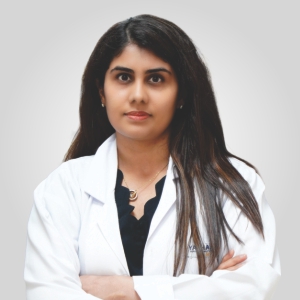
MBBS, MS (General Surgery), FELS
Cancer and Bone Marrow Transplant
Surgical Oncology
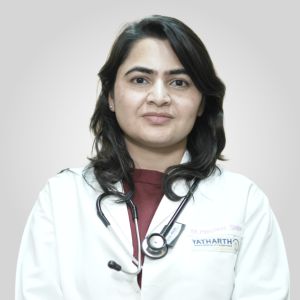
MBBS, DNB (Radiation Oncology)
Cancer and Bone Marrow Transplant
Radiation Oncology
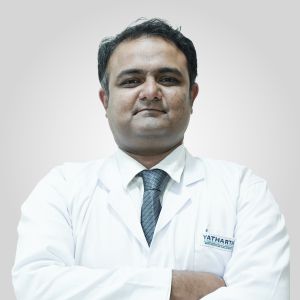
MBBS, MS (General Surgery), MCh (Surgical Oncology)
Cancer and Bone Marrow Transplant
Surgical Oncology
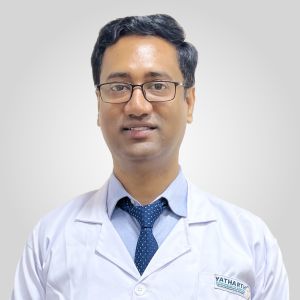
MBBS, MD (Pediatrics) Fellowship PHO & BMT
Haemato-Medical Oncology
Cancer and Bone Marrow Transplant
Becoming a mother again at 40 was emotional, but I felt completely safe in the hands of Dr. Sonal Bathla. Nancy Chadha shares her...

Becoming a mother again at 40 was emotional, but I felt completely safe in the h...
This video highlights the successful outcome of a Complex Total Knee Replacement...
Meet Mr. Satish Chand Chawla, who underwent HOLEP – Holmium Laser Enucleation ...
Meet Mrs. Nirmala Singh, who underwent a Successful Vaginal Hysterectomy Prolaps...
Mr. Sanjay Kaushik’s journey is a powerful story of hope and recovery after ba...
We strive to create the best in class infrastructure, and comprehensive facilities while providing care & support to Can...
Cancer leads to uncontrollable cells division. It also stops them from dying at a natural point in their life cycle. Gen...

Breast cancer is considered one of the most prevalent malignancies among women, worldwide. In the 1990s, it ranked numbe...


