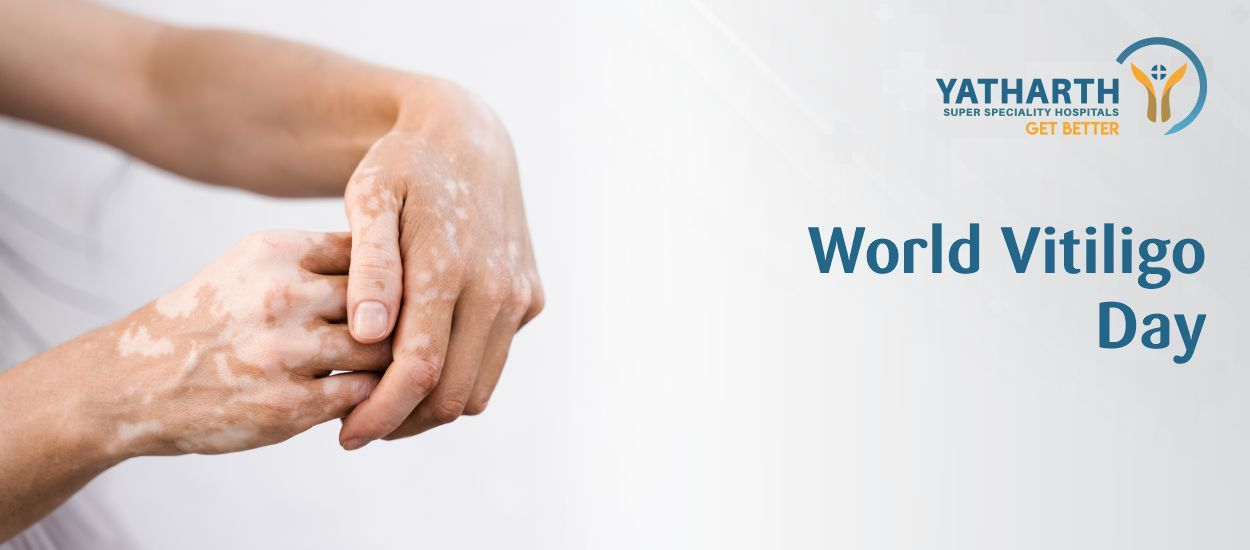


World Vitiligo Day is celebrated every year on 25 June to create awareness about vitiligo and its effects on several millions of people globally. It's a chance to educate and raise awareness, promote early diagnosis, reduce stigma and increase acceptance of people living with this skin disorder.
Though vitiligo is a non-contagious, painless condition, in countries like ours where it is often stigmatised, it can take a person’s self-confidence and emotional well-being. With greater vitiligo awareness, the public will have a better understanding of the disease and be more supportive of those who have it.
What is Vitiligo?
Vitiligo is an autoimmune disorder in which the skin loses its colour. This happens if melanocytes, the cells that produce melanin – the pigment that colours skin, hair and eyes – are killed or damaged by our own immune cells.
The outcome is the appearance known as white patches on the skin at various locations on the body. Vitiligo can occur in people of all ages, genders, and races, but it may be more apparent in those with darker skin.
Why Does Vitiligo Occur?
The exact cause is still unknown, but scientists think several things may play a role in its onset:
- Autoimmune diseases like thyroid disease or type 1 diabetes
- Emotional or physical stress
- Skin trauma, burns or other injuries
- Environmental triggers
- Genetic predisposition (to a small extent)
Early Signs and Symptoms of Vitiligo
The general symptoms of vitiligo are:
- White patch/area on skin appears
- Whitening or greying of hair prematurely
- Colour changes in eyelashes or eyebrows, or in beard hair
- Depigmentation inside mouth or nose
White Patches on Skin Causes: Is It Always Vitiligo?
One of the most common questions people ask is what are the white patches on skin causes. There are many conditions that cause skin to lighten in patches.
Potential reasons include:
- Fungal skin infections
- Post-inflammatory hypopigmentation
- Some birthmarks
- Dryness
That is why getting an accurate vitiligo diagnosis is important prior to starting treatment.
Vitiligo Diagnosis: How is It Confirmed?
A vitiligo diagnosis can typically be made by a dermatologist on the basis of a thorough medical history and physical examination.
Diagnostic procedures may include:
- Visual skin examination
- Wood's lamp examination
Early identification allows appropriate treatments and improves chances of complete repigmentation.
Vitiligo Treatment Options
Several vitiligo treatment options can help restore pigment and slow disease progression.
Topical Medications
Topical steroids can help decrease skin inflammation and promote regimentation in some individuals.
Light Therapy
Phototherapy is a very popular vitiligo treatment and it can trigger the production of pigment in these regions.
Surgical Procedures
For stable vitiligo, skin grafting and cellular transplantation procedures may be considered.
Depigmentation Therapy
In more severe cases even, the remaining pigmented areas may be bleached to obtain a more consistent skin tone.
Age, extent of disease, location of patches, overall health are some of the factors that determine the treatment modality.
What are the Common Myths about Vitiligo?
- Vitiligo is a contagious disease or related to leprosy
- It is caused by certain foods like fish and white foods like dairy
- Vitiligo is 100% hereditary
- Vitiligo cannot be treated in anybody
All these are untrue and people need to be made aware of this.
Life with Vitiligo
Busting vitiligo myths, support groups, and public awareness can help improve overall quality of life. Fortunately, increased visibility of people with vitiligo in the media, sports, and fashion has challenged dated beauty norms and fostered acceptance.
Are There Natural Remedies for Vitiligo?
There are many of us that are looking for natural treatments for vitiligo but there’s little scientific proof that vitiligo is reversible or that if natural remedies could cause the condition to regress.
Balanced diet, controlling stress, proper rest and follow up with doctor regularly might help in add on therapy. Alternative treatments for people to consider, however, the person should always see a dermatologist before considering such treatments.
Conclusion
As we mark World Vitiligo Day 2026, it's vital to understand that vitiligo is a skin condition, not a measure of a person's capabilities, character, or value. Enhanced awareness about vitiligo can remove misconceptions, promote early detection, and promote a more accepting community. With education, support, and access to suitable vitiligo management, people with this disease can live healthy, rewarding and self-assured lives.