
Blocked coronary arteries can reduce blood flow to the heart, causing chest discomfort, breathlessness, and difficulty with everyday activities. When bypass surgery is recommended, understanding the procedure and recovery process can help patients and families prepare with greater confidence.
Heart bypass surgery, also called coronary artery bypass grafting (CABG), creates an alternative route for blood to reach the heart muscle. It is an established treatment for selected patients with coronary artery disease.
Patients seeking CABG surgery in New Delhi can consult the cardiac surgical team at Yatharth Super Speciality Hospital, Model Town, to discuss their reports, treatment options and suitability for surgery.
A heart bypass operation uses a healthy blood vessel from the chest, arm or leg to create a new pathway around a narrowed or blocked coronary artery. This blood vessel is called a graft.
The operation improves blood supply beyond the blockage. It does not remove the underlying tendency to develop coronary artery disease, so medicines and heart-healthy habits remain important after surgery.
A cardiologist and cardiac surgeon assess whether medicines, angioplasty with stenting, or surgery offers the most appropriate treatment.
Coronary bypass surgery may be recommended for patients with:
CABG may also be needed urgently in selected heart attack situations. The decision depends on the pattern of disease, symptoms, heart function, and overall health—not the blockage percentage alone.
Different surgical approaches may be considered according to coronary anatomy, the number of grafts required and the patient’s condition.
A heart-lung machine temporarily maintains blood circulation and oxygenation while the heart is stopped. This allows the surgeon to attach the grafts to a still heart.
Also called beating-heart bypass surgery, this approach allows grafting while the heart continues beating. Special equipment stabilises the area being operated on.
Off-pump surgery is suitable for selected patients. It is not automatically the best approach for everyone.
Selected bypass procedures can be performed through smaller chest incisions, sometimes without dividing the breastbone. Eligibility depends on the vessels requiring treatment and other clinical factors.
Off-pump describes when a heart-lung machine is not used; minimally invasive describes the surgical access. They are not interchangeable terms. Discuss the suitability and availability of each approach with your surgeon.
Preparation helps the team understand your health and plan the procedure. Your specialist will review your coronary imaging and explain the proposed operation, alternatives and individual risks.
Before admission, clarify:
Share details of all prescribed medicines, supplements, and allergies. Do not stop blood thinners or other heart medicines on your own. Follow the instructions provided by the treating team.
Bring your angiography images and report, echocardiogram, recent investigations, prescriptions, and previous hospital records. A written list of questions can make the consultation more useful.
The bypass surgery procedure is performed under general anaesthesia, so you are asleep during the operation.
The usual steps include:
The operation often takes around three to six hours, although complex procedures can take longer. The number of bypasses depends on which areas of the heart need an improved blood supply.
CABG surgery recovery involves healing from the operation and gradually rebuilding strength.
Many patients spend approximately a week in hospital, including an initial period in intensive care. The actual stay depends on their progress and any additional care required.
Nurses and physiotherapists help patients begin moving safely. Pain relief supports comfortable breathing and activity.
Tiredness, reduced appetite and discomfort around the surgical wounds can occur during early recovery. Follow your care team’s instructions on wound care, medicines and activity.
Arrange help at home initially, build up walking gradually and avoid heavy lifting until your surgeon permits it.
Recovery commonly takes six to twelve weeks, but it varies. Returning to work, driving and strenuous activity requires individual advice, especially after an operation involving the breastbone.
Cardiac rehabilitation combines guided physical activity, education and support to help patients recover and manage heart disease.
Long-term care may include:
Bypass surgery improves blood flow, but ongoing care helps protect both the grafts and the remaining coronary arteries.
Like all major operations, CABG carries risks. Possible CABG surgery complications include:
Individual risk depends on factors such as heart function, kidney health, other illnesses and whether surgery is planned or performed in an emergency. Ask your surgeon to explain your personal risk and the expected benefit of the operation.
Seek emergency care for new severe chest pain, sudden breathlessness or stroke symptoms such as facial drooping, arm weakness, or difficulty speaking. Contact your surgical team promptly for fever, wound discharge, increasing redness, or other concerning changes.
There is no single CABG surgery success rate that accurately describes every patient’s outcome. Success may refer to surviving the operation, reducing angina, improving daily activity or achieving longer-term benefit.
Many patients experience symptom improvement after surgery. However, outcomes depend on their condition and continued treatment, and further coronary problems can develop over time.
During consultation, ask what benefit is expected in your case and whether any quoted outcome figures relate to patients with similar health conditions.
The heart bypass surgery cost in New Delhi requires an individual estimate after review of the patient’s reports and proposed treatment.
For a personalised estimate at Yatharth Hospital, share your angiography report and the recommended treatment plan with the hospital team. Confirm package inclusions, exclusions, and insurance authorisation before admission.
Yatharth Hospitals lists cardiac surgical consultation in New Delhi for procedures including coronary artery bypass grafting, valve surgery and minimally invasive cardiac surgery. Patients can discuss their treatment needs with the cardiac surgical team at the Model Town hospital.
Your consultation should help you understand:
Verified by:
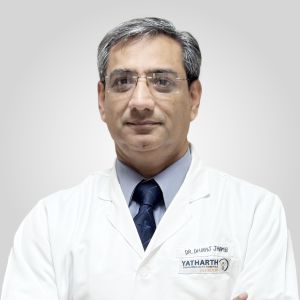
India’s leading specialists.
MBBS, MS, MCh (Cardiothoracic & Vascular Surgery))
Cardiac Sciences
Cardiac Surgery
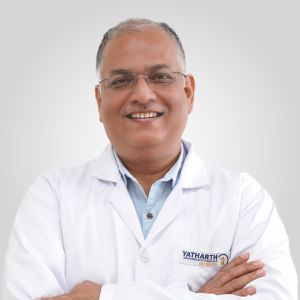
MBBS, MD (Medicine), DM (Cardiology), FACC (USA), FESC (Europe), FSCAI (USA), FCSI
Cardiology
Cardiac Sciences
Becoming a mother again at 40 was emotional, but I felt completely safe in the hands of Dr. Sonal Bathla. Nancy Chadha shares her...

Becoming a mother again at 40 was emotional, but I felt completely safe in the h...
This video highlights the successful outcome of a Complex Total Knee Replacement...
Meet Mr. Satish Chand Chawla, who underwent HOLEP – Holmium Laser Enucleation ...
Meet Mrs. Nirmala Singh, who underwent a Successful Vaginal Hysterectomy Prolaps...
Mr. Sanjay Kaushik’s journey is a powerful story of hope and recovery after ba...

The need to seek medical attention immediately for a confirmed or suspected heart attack or stroke has not changed and l...

Knowing the symptoms of a heart attack unique to women may encourage someone to seek medical treatment more quickly, pos...
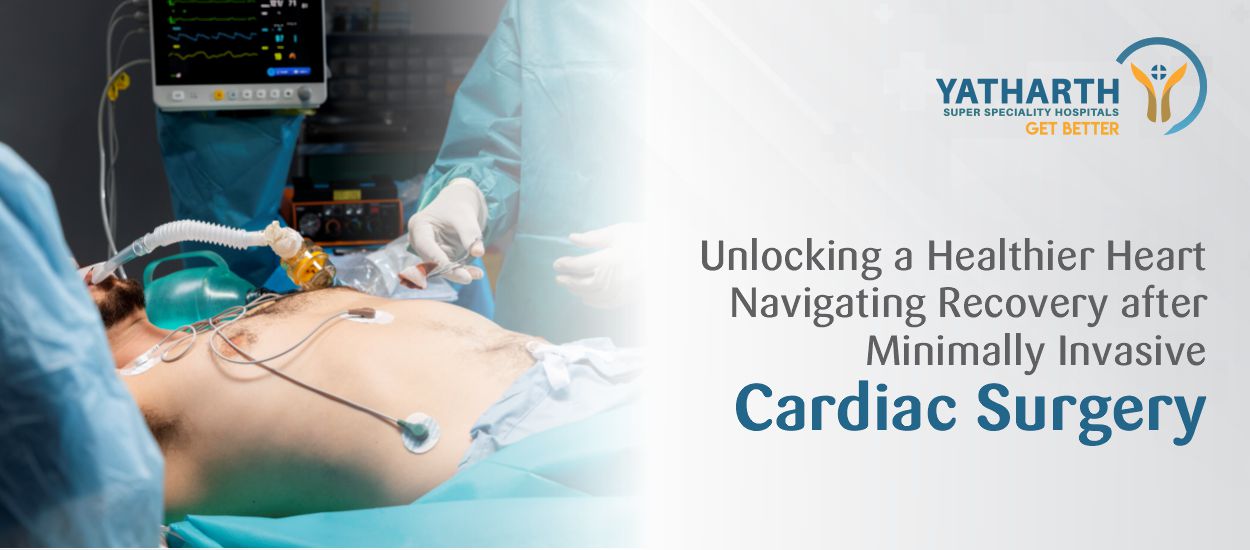
Affordable Price Minimally Invasive Cardiac Surgery: Unlock a faster, smoother recovery after Minimal Invasive Cardiac S...


