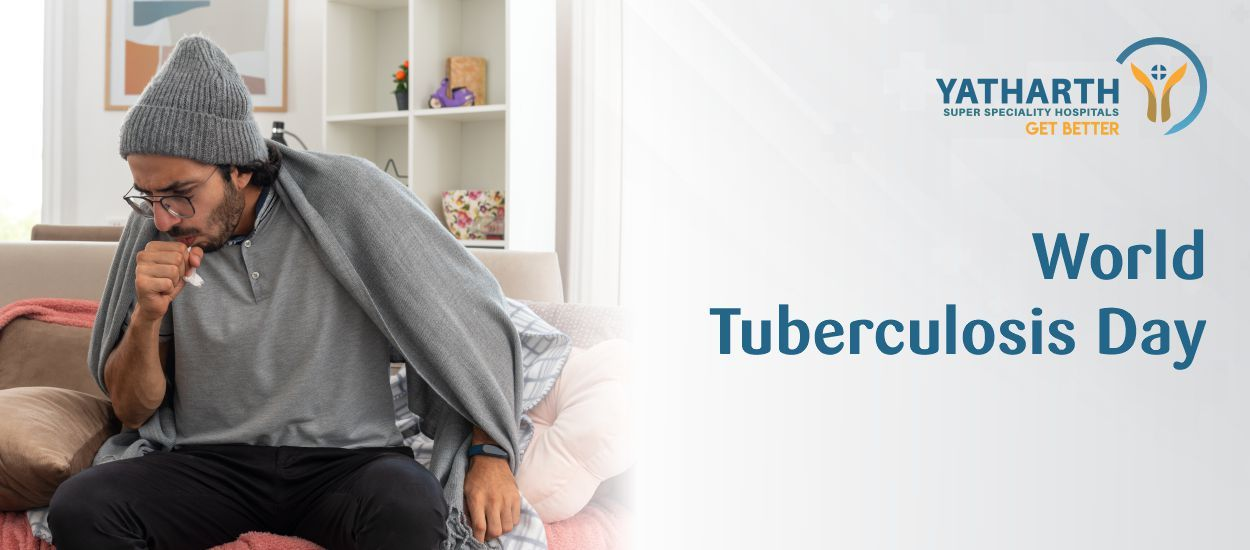


On 24 March, the world marks World Tuberculosis Day to educate the public about tuberculosis (TB), a decaying disease that is still one of the top killers worldwide. World Tuberculosis Day 2026 is a timely impetus to intensify efforts to raise awareness about TB and ensure that early diagnosis and treatment for all become a reality that ends the disease.
In the wake of advances in medicine, tuberculosis has remained a significant public health problem. Tuberculosis day 2026 is more than remembering the finding of the bacterium that causes TB, it is recommitting global efforts to controlling and eradicating the disease.
What is Tuberculosis?
Tuberculosis (TB) is a contagious and airborne disease caused by a bacterium called Mycobacterium tuberculosis. Not surprisingly, tuberculosis (TB) is the infectious disease that primarily affects the lungs, known as pulmonary tuberculosis, though it can involve other body sites, including the kidney, spine, and brain.
When an infected person coughs, sneezes, or talks, TB bacteria are released into the air. Individuals who breathe in the bacteria can become infected, particularly those with compromised immune systems.
But although it is curable and preventable, it still claims millions of lives every year. This is what makes it so important to have TB awareness and to be diagnosed in a timely manner.
Facts about Tuberculosis Disease
Knowing the facts about TB disease will help dispel myths and encourage prompt treatment.
Here are some key facts about tuberculosis:
- TB is one of the world’s deadliest infectious diseases.
- It is transmitted by air.
- Pulmonary tuberculosis is the commonest form
- The disease is fully curable if it is diagnosed early and treated adequately.
- Anyone can get TB; however, individuals with compromised immune systems are more susceptible.
To raise awareness for the TB disease facts is one of the greatest aims for the World Tuberculosis Day 2026.
Signs and Symptoms of Tuberculosis
Early identification of tuberculosis symptoms may aid in its early detection and management.
Symptoms include:
- Cough that lasts more than two weeks
- Chest pain when you breathe or cough
- Fever and night sweats
- Weight loss for no reason
- Fatigue and weakness
- Blood or sputum is coughed up
The lungs are the primary site in most. TB is thus mainly a pulmonary disease, with respiratory symptoms and signs being the most common. Anyone who has these symptoms should see a doctor at once for appropriate testing.
How to Prevent TB?
TB prevention is also about vigilance, good hygiene, and prompt medical attention. TB prevention is important in limiting spread of the infection.
Following are some good general tips for TB prevention:
1 Early Screening and Diagnosis
Detecting the disease in its early stages prevents spreading the infection to others. Frequent testing of high-risk individuals can prevent a large amount of transmission.
2. Vaccination
The BCG vaccine is currently used to protect children from the most serious forms of tuberculosis. It is included in the World Health Organization’s (WHO) list of essential medicines for children, which means it is the most effective and safe medicine needed in a health system.
3. Maintain Good Hygiene
Airborne transmission of the organism may be limited by coughing into a tissue, and by adequate ventilation.
4. Have Strong Immunity
Good health, good nutrition, and sufficient sleep are all important for a strong immune system and reduced risk of TB infection.
5. Awareness and Education
Raising TB awareness among communities helps people identify the symptoms sooner and go for medical care without delaying.
Is Tuberculosis Treatable?
YES – Tuberculosis is a curable disease with appropriate regimens.
Treatment of TB generally involves taking several antibiotics for at least six months.
Following are some important points you should know about TB treatment:
- Adhere to any medication regimen ordered
- You should always finish a full course of treatment.
- Follow-up Visits Regular
- Drug-resistant TB is being monitored
Interruption of medication can cause development of drug resistant TB, which is more difficult to treat. So this is a situation where the treatment and the medical supervision, that's what makes all the difference.
Global TB Initiatives: A Joint Battle Against TB
A number of international organisations and governments collaborate to tackle TB under the umbrella of strong global TB initiatives.
Efforts include, among others:
- Global strategies to eliminate TB
- National TB control programmes
- Campaigns to educate the public
- Complimentary diagnostic and treatment services in many nations
- Development of improved TB vaccines and drugs
Such initiatives in global TB prevention are focused on decreasing TB infections and improving the results of TB treatment, and are the first suspension to global tuberculosis eradication.
Why TB Awareness Day 2026 is Relevant
TB Day 2026 is not just a day for raising awareness about a health issue – it is a rallying point for global efforts.
The day motivates communities to:
- Raise awareness of symptoms of tuberculosis
- Advocate early diagnosis and treatment of TB
- Advocate for those living with TB
- Call on governments to fund global TB efforts
- Disseminate correct information on prevention of TB
Awareness raising is key to reduce stigma and promote testing and care, and more people doing the right thing!
Conclusion
World Tuberculosis Day serves as a reminder that the disease continues to be a significant health issue but is preventable and curable with prompt treatment. Raising awareness about TB, symptoms and promoting early testing can help to reduce transmission of the disease.
Communities can make a difference in preventing tuberculosis and making effective TB treatment available. Sustained investment in global TB efforts will make the dream of end the TB a reality.