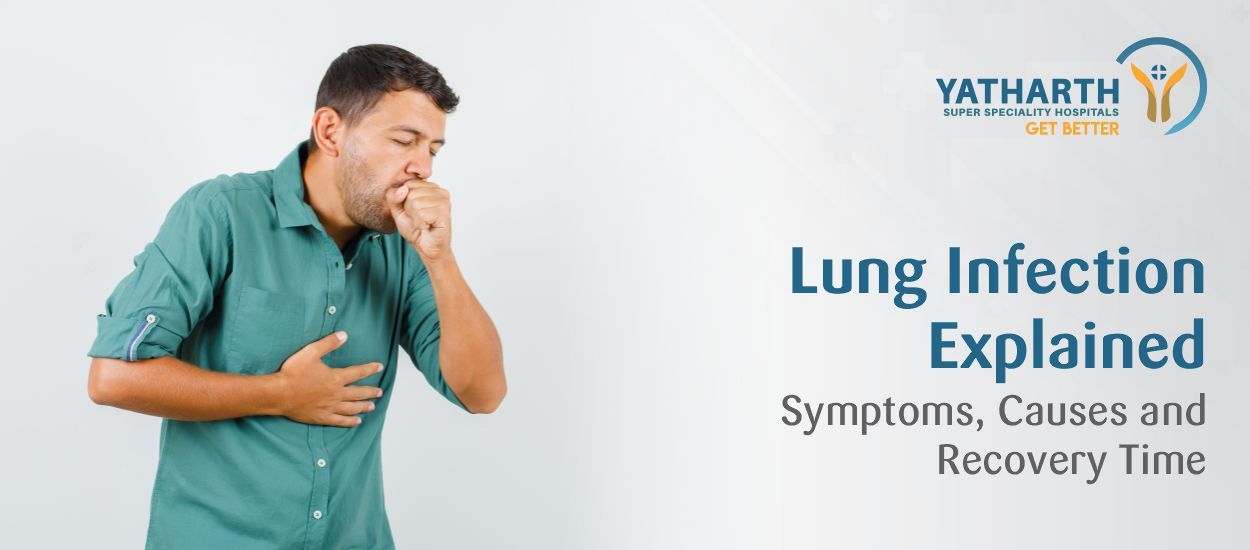


A lung infection is a common respiratory condition that affects millions of people every year. It occurs by bacteria, viruses, or fungi, causing inflammation and breathing difficulty. Mild to life-threatening lung infections are common in all ages including kids and elderly. Early recognition of symptoms and signs and diagnosis will play an important role in effective treatment and outcome.
What is a Lung Infection?
Lung infection is a type of infection that occurs in the lungs or lower respiratory tract. It can affect the bronchial tubes and air sacs or lung tissue and disrupt airflow. Common types of lung infections include bacterial pneumonia, viral pneumonia and tuberculosis.
The onset of a lung infection can be either acute or chronic based on the cause and patient’s immunity. Some infections are mild and heal with basic care at home, others may necessitate hospitalization and advanced treatment for chest infection and care.
Symptoms of Lung Infection
Early recognition of lung infection symptoms is crucial for appropriate treatment and to avoid complications.
Signs of lung infection you may notice include:
- Persistent cough with or without sputum
- Chills and fever
- Difficulty in breathing
- Pain in the chest when breathing or coughing
- Tired and weak
- Chest wheezing
- Panting
- Appetite loss
Symptoms of respiratory tract infections like sore throat, nasal stuffiness, and body pain may also be present, especially in viral infections. In such situations, the patient develops bluish lips, disoriented state C breathlessness, and these are signs that immediate medical help should be taken.
Reasons of Lung Infection
Bacterial Lung Infection
A person has a bacterial lung infection when bacteria invade the lung tissues and begin to multiply. A Streptococcus pneumoniae (S pneumoniae) infection is a common cause of bacterial lung infection. Signs and symptoms tend to be more severe with higher possibility of fever, chest pain, and production of thick mucus.
Viral Lung Infection
A viral lung infection is caused by viruses such as flu virus, respiratory syncytial virus
(RSV) etc. Viral infections typically start as “cold and flu-like symptoms” then spread to the lungs. These illnesses are very contagious and spread by coughing, sneezing, or being close to someone.
Fungal Infections
Fungal lung infections are rare, but can occur in people whose immune systems are compromised or who have underlying illnesses.
Smoking and Pollution
Chronic smoking, air pollution, and harmful chemical exposure can tear lung tissues apart, making the body more prone to infections.
Weak Immunity
Those with weakened immune systems, such as diabetes, asthma, or chronic lung disease, are more likely to suffer from lung infections.
Lung Infection in Adult
Lung infection in adults is more common during the seasonal changes and flu outbreaks.
Adults at risk: Smoking adults, adults with underlying chronic illness, adults living in a polluted environment. Adults may experience a bad cough, chest pain, fever and difficulty breathing.
They may instead present vague symptoms such as weakness, confusion, or anorexia, which means they do not have usual symptoms. Early diagnosis and treatment are crucial to avoid complications.
Lung Infection in Children
Lung infections (pneumonia) in children make up the largest percentage of deaths from respiratory illnesses worldwide. A lung infection in a child may go from mild to severe quickly because their immune system is still developing. Children with the illness may have cough, fever, noisy breathing, irritability. Infants and toddlers may exhibit rapid breathing or difficulty eating. Parents should call a doctor if the child has a high fever, difficulty breathing or coughing that does not stop.
Lung Infection Recovery Time
- Recovery period for a lung infection varies with type and its severity, the patient age and strength of immunity and the general health condition.
- Moderate viral infections clear up in a week to two.
- Bacterial infections can take two to four weeks on antibiotics.
- You may have to wait weeks or months to fully recover from severe pneumonia or a complex infection.
- After treatment, a person can have fatigue and a mild cough for weeks. Rest and medical follow-up are essential for full recovery.
Treatment of Chest Infection
Chest infection treatment depends on the type and severity of the infection-
- Antibiotics for a bacterial infection
- Antiviral treatment in certain cases
- Fever-lowering drugs
- Oxygen therapy in acute respiratory distress
- Nebulisation etc.
Prevention of lung infection
The prevention of lung infections is a very important consideration, especially in children, elderly people, or those who are immunocompromised. To prevent infection, the following measures are recommended:
- Washing hands frequently
- Avoiding close contact with people who are infected
- Getting flu and pneumonia vaccines
- Wearing a mask in a polluted environment
- No smoking
- A healthy lifestyle and a balanced diet
Early treatment of symptoms of respiratory tract infection may also help reduce the risk of the infection travelling to the lung
Conclusion
Infection of the lungs occurs in people of all ages and can be either a mild illness or a severe medical condition. Early detection of the symptoms of a lung infection, knowing the causes of lung infection and with the appropriate and timely chest infection treatment helps in keeping severe complications at bay. Be it a bacterial lung infection or viral lung infection, right care, medication and healthy habits are instrumental in speeding up recovery. However, if symptoms persist or worsen, consultation with a healthcare professional is strongly recommended.