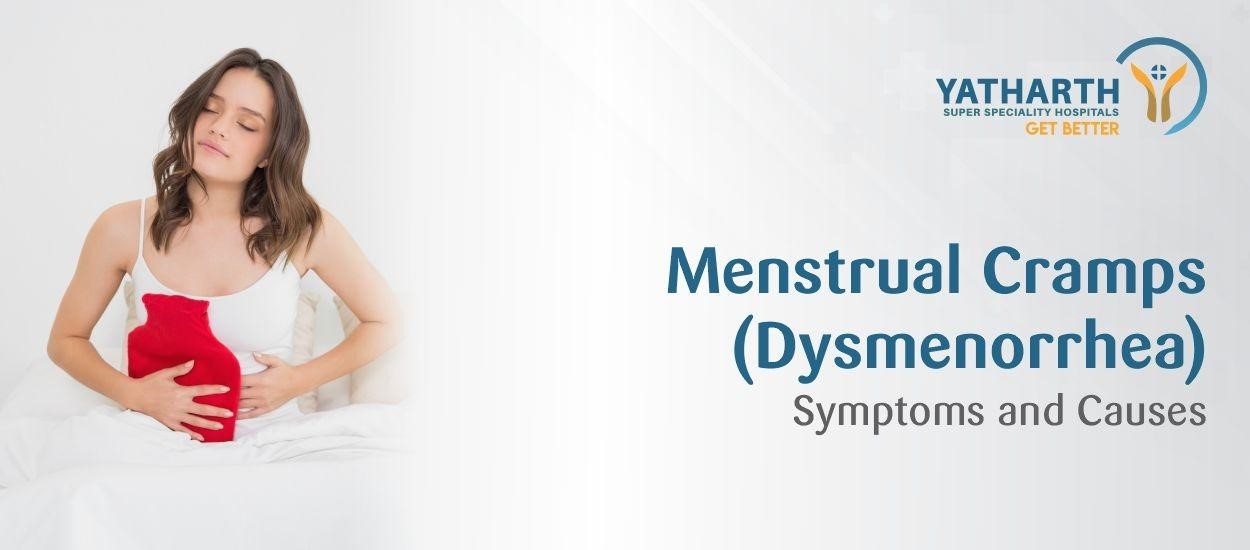


50%–90% of menstruating women experience menstrual cramps, with 10%–15% reporting pain severe enough to disrupt daily activities (Mayo Clinic). Dysmenorrhea refers to recurring lower abdominal pain that occurs before or during menstruation.
1–3 days of pain per cycle is the typical duration, often starting just before menstrual flow begins (NHS). Pain intensity ranges from mild discomfort to sharp, throbbing cramps that may radiate to the lower back and thighs.
Higher prostaglandin levels directly increase uterine contractions, reducing blood flow and triggering pain signals (Johns Hopkins Medicine). This biological mechanism explains why some women in Delhi experience stronger cramps despite similar menstrual cycles.
The condition includes both primary cramps without underlying disease and secondary cramps linked to medical conditions.
Symptoms of Dysmenorrhea in Delhi Women
Associated symptoms occur in 30%–50% of women, including nausea, vomiting, diarrhea, fatigue, and headaches (Mayo Clinic). These systemic symptoms often correlate with prostaglandin levels, which increase uterine contractions and trigger gastrointestinal and neurological effects.
Severity levels:
- Mild cramps: Noticeable discomfort, no interference with daily activities.
- Moderate cramps: Pain limits certain activities; analgesics may be required.
- Severe cramps: Pain disrupts school, work, or social life; affects 10%–15% of women (Mayo Clinic).
Why Menstrual Cramps Occur: Hormonal and Physical Causes in Delhi?
Prostaglandin levels are directly linked to pain intensity, with higher levels causing stronger uterine contractions (Johns Hopkins Medicine). These contractions reduce blood flow to the uterine lining, creating ischemic pain that radiates to the lower abdomen and back.
Primary dysmenorrhea occurs without underlying conditions and is most common in women aged 15–25 years (Cleveland Clinic). Hormonal fluctuations, especially increased prostaglandins before menstruation, trigger regular pain cycles.
Secondary dysmenorrhea results from medical conditions such as:
- Endometriosis – Tissue resembling the uterine lining grows outside the uterus, causing chronic pain.
- Uterine fibroids – Noncancerous growths that distort uterine contractions.
- Pelvic inflammatory disease – Infection causing inflammation and heightened pain responses.
Uterine contractions during menstruation are necessary for shedding the endometrial lining, but excessive or irregular contractions intensify cramps. Reduced local blood flow and nerve sensitization amplify pain perception, explaining why some women in Delhi experience higher severity despite similar menstrual cycles elsewhere.
Lifestyle factors in Delhi such as stress, irregular diet, and limited physical activity can further elevate prostaglandin response, worsening cramps.
Types of Dysmenorrhea in India: Primary vs Secondary
Primary dysmenorrhea is menstrual pain that occurs without an underlying medical condition. It typically begins 1–2 years after menarche. Pain usually starts a few hours before or at the onset of menstruation.
Secondary dysmenorrhea is caused by identifiable conditions, including:
- Endometriosis – Abnormal growth of uterine-like tissue outside the uterus causing chronic pain.
- Uterine fibroids – Benign tumors that increase contraction intensity.
- Pelvic inflammatory disease – Infection leading to inflammation and heightened sensitivity.
Key differences:
|
Feature |
Primary Dysmenorrhea |
Secondary Dysmenorrhea |
|
Onset |
Within 1–2 years after first period |
Usually after age 25 |
|
Cause |
Hormonal + uterine contractions |
Underlying pathology |
|
Duration |
1–3 days |
Can last longer; may be irregular |
|
Severity |
Mild to severe |
Often severe and persistent |
Prevalence in India: Studies indicate nearly 70% of young women report primary dysmenorrhea, while secondary cases are less common but require medical evaluation. Local lifestyle factors in Delhi, such as stress and diet, can influence both types’ severity and frequency.
Risk Factors for Painful Menstrual Cramps in Delhi
Certain factors increase the likelihood of experiencing severe menstrual cramps:
- Early menarche – Starting menstruation before age 12 is associated with more frequent and intense cramps.
- Heavy menstrual flow – Excessive bleeding increases uterine contractions and prostaglandin levels.
- Family history – Women with mothers or sisters experiencing dysmenorrhea are at higher risk.
- Lifestyle and stress – Sedentary lifestyle, irregular diet, and high stress levels in urban settings like Delhi can worsen pain intensity.
- Obesity or low BMI extremes – Both underweight and overweight women may experience stronger cramps due to hormonal imbalances.
Menstrual Cramps Treatment Options in Delhi
NSAIDs reduce pain in 70%–80% of women with primary dysmenorrhea by inhibiting prostaglandin production (Mayo Clinic). Common options include ibuprofen and naproxen, taken 1–2 days before or during menstruation for best effect.
Hormonal therapies such as combined oral contraceptives regulate menstrual cycles and reduce prostaglandin-driven contractions, particularly for women with severe or secondary dysmenorrhea (Cleveland Clinic).
Non-medication options:
- Heat therapy: Applying a heat pad for 15–20 minutes over the lower abdomen can reduce pain intensity.
- Dietary adjustments: Increasing omega-3 intake and reducing caffeine may lower prostaglandin production.
- Lifestyle modifications: Adequate sleep, hydration, and stress management can improve tolerance to pain.
Local accessibility in Delhi: Over-the-counter NSAIDs and heat pads are widely available, while consultation with gynecologists is recommended for persistent or secondary dysmenorrhea. Combining medical and lifestyle interventions offers optimal pain relief.
Pressure Points for Menstrual Cramps Relief
Applying pressure to specific points can reduce pain intensity by 30%–40% in women with mild to moderate dysmenorrhea (Healthline).
Key pressure points:
- Lower abdomen (CV6) – Apply gentle circular pressure 2 inches below the navel for 2–3 minutes.
- Inner ankle (SP6) – Press 4 fingers above the inner ankle bone; effective for uterine relaxation.
- Web of hand between thumb and index finger (LI4) – Helps relieve lower abdominal and back pain.
- Lower back (BL23 and BL32) – Light massage along these sacral points reduces muscular tension.
Conclusion
Understanding the causes, identifying risk factors, and using a combination of treatments including NSAIDs, lifestyle changes, pressure points, and yoga can significantly reduce discomfort. Early recognition of secondary dysmenorrhea and timely medical consultation ensures effective management.
If menstrual pain interferes with your daily life, schedule a consultation at Yatharth Hospital in Delhi. Our gynecology specialists provide personalized care, including diagnosis of underlying conditions, treatment plans, and guidance on non-medication relief strategies. Book an appointment today to manage menstrual cramps safely and effectively.