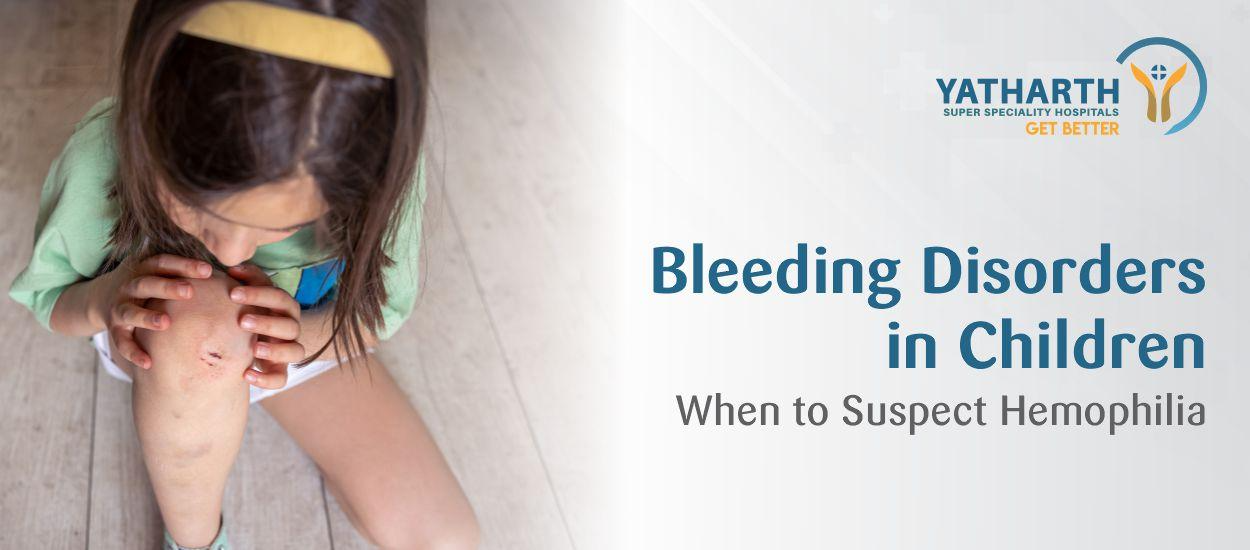


Bleeding is a natural response of the body to injury, but when it becomes frequent, prolonged or occurs without an apparent cause, it can be a symptom of an underlying disease. Such symptoms can be especially the reason for worry in children. Out of all the bleeding disorders, hemophilia is the most severe inherited bleeding disorder that requires early detection and treatment.
Recognizing early symptoms of illness and when to call a doctor can positively impact a child’s health and quality of life.
What Causes Bleed Disorders?
Bleeding disorders are a group of conditions in which your blood doesn’t clot properly. When a blood vessel is injured, the clotting factors work together to stop the bleeding, but they don't come into contact with the blood vessel wall. But in kids who have bleeding disorders, this process is interrupted and they bleed too much or too long.
They can be inherited or acquired and range in severity from mild to life-threatening.
Facts about Hemophilia
- It is an inherited bleeding disorder that causes deficiency of essential clotting factors VIII or IX.
- It affects male while, females are carriers
- It runs in families.
Symptoms to Look in Kids
Early detection of hemophilia signs can lead to early diagnosis and treatment. Parents should be vigilant if their child has any of the following:
Frequent Bruising
Large or unusual bruises that come up with little or no injury, particularly in infants and toddlers.
Prolonged Bleeding
If you notice that minor cuts, dental work, vaccinations or the like seem to be bleeding for longer than normal, that could be a sign.
Bleeding in Joints and Muscles
Swelling, pain, or stiffness in a joint (such as knees, elbows or ankles) unaccompanied by trauma. It is a symptom of hemophilia.
Nosebleeds
Repeated or hard-to-stop nosebleeds.
Blood in Urine or Stool
This could be a sign of internal bleeding and you should get emergency medical help.
Excessive Bleeding After Birth Procedures
In addition, such bleeding in newborns following circumcision or injections may be a sign of an early alert.
When to Suspect Hemophilia?
- A male toddler who experiences pain and swelling in joints after minor falls or injuries.
- Excessive bleeding after birth.
- Easy bruising after minor in jury.
Diagnosis of Hemophilia
If your child has hemophilia, specialist will order certain blood tests, such as:
- Tests for levels of clotting factors
- Complete blood count (CBC)
- Coagulation screening tests
These tests are to confirm the diagnosis and to assess the degree of the disease which can be mild, moderate or severe.
Management and Treatment
Clotting Factor Replacement: Severe hemophilia requires regular clotting factor replacement to prevent joint deformities and disability. Mild to moderate hemophilia requires clotting factor replacement on an SOS (as-needed) basis only.
- Screening of Family Members
- Patient Awareness:Patients should carry a hemophilia card with them at all times for emergencies. They should be registered with a suitable hemophilia treatment center, as clotting factors are available at only a few centers. While traveling, they should be aware of the nearest hemophilia treatment center. Always keep a stock of clotting factor injections at home.
Importance of Early Diagnosis
Early detection of hemophilia enables:
- Improved joint damage prevention
- Lower risk of major bleeds
- Better long-term results
- Higher quality of life for the child
- Parents must be aware about symptoms
When To Get Emergency Medical Care
Seek immediate medical care if your child has:
- uncontrollable bleeding
- Vomiting or drowsiness after a head injury
- Painful swelling of a joint suddenly
- Blood in your urine, stool, or vomit
- Treatment can be lifesaving in these situations.
Conclusion
A child with a bleeding disorder, and in particular hemophilia, needs to be known, watched and treated promptly. Although the disease name may be worrisome, developments in diagnosis and treatment have allowed children with this condition to live normal and active lives.
If your child has any strange bleeding patterns, don't ignore them. Early medical advice can lead to the correct diagnosis and appropriate treatment.