Advanced Non-Invasive Brain Stimulation Therapy at Yatharth Hospitals
Depression and certain neurological disorders can have a profound impact on an individual's emotional well-being, cognitive function, relationships, and quality of life. While medications and psychotherapy are effective for many patients, some continue to experience symptoms despite receiving appropriate treatment. For such individuals, Repetitive Transcranial Magnetic Stimulation (rTMS) offers an advanced, evidence-based, non-invasive treatment option.
If you are looking for Repetitive Transcranial Magnetic Stimulation (rTMS) treatment in New Delhi, Yatharth Hospitals provides comprehensive evaluation and personalized treatment using advanced brain stimulation technology. Our experienced team of neurologists, psychiatrists, and neuroscience specialists delivers patient-centred care with the goal of improving symptoms while minimizing discomfort and downtime.
rTMS treatment uses precisely controlled magnetic pulses to stimulate specific areas of the brain involved in mood regulation and neurological function. Since the procedure does not require surgery, anesthesia, or hospitalization, it is considered a safe and convenient option for carefully selected patients.
Whether you are seeking rTMS treatment for depression, anxiety disorders, obsessive-compulsive disorder (OCD), or certain neurological conditions, our specialists provide individualized treatment plans based on your medical history, diagnosis, and clinical needs.
What is Repetitive Transcranial Magnetic Stimulation (rTMS)?
Repetitive Transcranial Magnetic Stimulation (rTMS) is an advanced, non-invasive medical procedure that uses magnetic fields to stimulate nerve cells in targeted regions of the brain. It is primarily used to treat Major Depressive Disorder (MDD), especially in patients who have not responded adequately to antidepressant medications or psychotherapy.
If you have ever wondered "What is rTMS treatment?", it is a therapy that helps normalize brain activity by delivering repetitive magnetic pulses through a coil placed on the scalp. These pulses activate specific brain circuits involved in mood, cognition, and emotional regulation without the need for surgery or implanted devices.
Unlike invasive brain procedures, rTMS brain stimulation is performed while the patient remains awake and comfortable. Each session is carried out in an outpatient setting, allowing patients to resume their normal activities immediately afterward.
Over the past decade, Transcranial Magnetic Stimulation (TMS) has become an important treatment option for individuals with treatment-resistant depression and selected neurological conditions, supported by growing clinical evidence and international treatment guidelines.
Why is rTMS Used?
rTMS is recommended for patients who continue to experience symptoms despite standard treatment or who are unable to tolerate certain medications because of side effects.
Your neurologist or psychiatrist may recommend rTMS treatment in New Delhi NCR for the following conditions:
- Treatment-resistant depression
- Major depressive disorder
- Anxiety disorders
- Obsessive-Compulsive Disorder (OCD)
- Chronic neuropathic pain (selected patients)
- Post-stroke rehabilitation
- Parkinson's disease (selected cases)
- Migraine (selected patients)
- Dementia (selected clinical applications)
- Other neurological disorders based on specialist evaluation
Because every patient is unique, the decision to undergo rTMS is made after a detailed consultation, clinical assessment, and review of previous treatments.
How Does rTMS Work?
The brain functions through billions of nerve cells that communicate using electrical signals. In conditions such as depression, certain brain regions may become underactive or have disrupted communication pathways.
Repetitive Transcranial Magnetic Stimulation (rTMS) helps regulate this activity using controlled magnetic pulses.
During an rTMS session:
- A magnetic coil is placed against your scalp.
- The device generates short magnetic pulses.
- These pulses create small electrical currents in targeted brain tissue.
- The stimulation activates nerve cells involved in mood regulation and neurological function.
- Repeated sessions help strengthen neural pathways and improve communication between brain regions.
The treatment is painless, does not require anesthesia, and is performed under the supervision of trained specialists.
Conditions Treated with rTMS
At Yatharth Hospitals, rTMS therapy is offered for carefully selected patients after a comprehensive evaluation by neurologists or psychiatrists.
Depression
One of the most established uses of rTMS treatment for depression is in patients with Major Depressive Disorder (MDD) who have not achieved adequate improvement with medications or psychotherapy.
Symptoms that may improve include:
- Persistent sadness
- Low mood
- Loss of interest in daily activities
- Poor concentration
- Fatigue
- Sleep disturbances
- Feelings of hopelessness
Through targeted brain stimulation, rTMS aims to improve mood and overall functioning while reducing depressive symptoms.
Related Service: Depression Treatment
Anxiety Disorders
Patients with anxiety disorders may also benefit from rTMS when conventional treatments have not provided sufficient relief.
Conditions may include:
- Generalized Anxiety Disorder (GAD)
- Panic Disorder
- Social Anxiety Disorder
rTMS is typically used as part of a comprehensive treatment plan that may also include counselling and medications.
Related Service: Anxiety Treatment
Obsessive-Compulsive Disorder (OCD)
For selected patients with OCD, rTMS therapy may help reduce obsessive thoughts and compulsive behaviours by targeting specific brain circuits involved in the disorder.
Patients with persistent symptoms despite medication and psychotherapy may be evaluated for this treatment.
Related Service: OCD Treatment
Bipolar Depression
Certain patients with bipolar depression may benefit from rTMS under close psychiatric supervision. Treatment is carefully individualized to minimize the risk of mood fluctuations.
Related Service: Bipolar Disorder
Stroke Rehabilitation
Selected stroke survivors may benefit from rTMS as part of a multidisciplinary rehabilitation program aimed at improving motor function, speech recovery, and neurological rehabilitation.
Parkinson's Disease
In carefully selected patients, rTMS may be recommended as an adjunct therapy to help manage certain symptoms of Parkinson's disease alongside standard medical treatment.
Chronic Neuropathic Pain
Persistent nerve-related pain that does not respond to medications may improve with targeted brain stimulation in selected cases.
Migraine
Certain migraine patients who have not responded adequately to conventional therapy may be evaluated for TMS-based treatment options.
Dementia
Although research is still evolving, rTMS for dementia is being explored as a supportive therapy in selected patients to improve cognitive function alongside standard medical management.
Procedure for Repetitive Transcranial Magnetic Stimulation (rTMS) in New Delhi
At Yatharth Hospitals, every patient undergoes a detailed evaluation before beginning treatment to ensure that rTMS is appropriate for their condition.
Step 1: Comprehensive Consultation
The treatment journey begins with a thorough assessment, including:
- Detailed medical history
- Review of psychiatric or neurological symptoms
- Physical and neurological examination
- Evaluation of previous treatments
- Medication review
- Assessment of treatment goals
- Brain imaging review, if required
This helps determine whether the patient is a suitable candidate for Repetitive Transcranial Magnetic Stimulation (rTMS).
Step 2: Individualized Treatment Planning
Based on the evaluation, the specialist creates a personalized treatment plan that includes:
- Brain target area
- Frequency of stimulation
- Intensity of magnetic pulses
- Number of treatment sessions
- Follow-up schedule
Every treatment protocol is customized according to the patient's diagnosis and clinical needs.
Step 3: Motor Threshold Mapping
Before the first treatment session, a motor threshold assessment is performed to determine the optimal stimulation intensity for each patient.
This ensures maximum effectiveness while maintaining patient safety and comfort.
Step 4: rTMS Therapy Session
During the procedure:
- You remain awake and comfortably seated.
- A magnetic coil is positioned over the scalp.
- Controlled magnetic pulses are delivered to the targeted brain region.
- You may hear clicking sounds and feel gentle tapping sensations on the scalp.
- The treatment is painless and requires no sedation or anesthesia.
Each session generally lasts 20 to 40 minutes, depending on the treatment protocol.
Step 5: Treatment Schedule
Most patients undergo:
- Five treatment sessions per week
- A treatment course lasting four to six weeks
- Additional maintenance sessions when clinically indicated
Your specialist will determine the exact number of sessions based on your response to therapy and individual needs
Benefits of rTMS Treatment
Repetitive Transcranial Magnetic Stimulation (rTMS) has become an important treatment option for patients who have not experienced adequate improvement with medications or psychotherapy. It offers several advantages over more invasive procedures while providing targeted brain stimulation for selected neurological and psychiatric conditions.
Non-Invasive Therapy
One of the biggest advantages of rTMS treatment is that it is completely non-invasive. The procedure does not involve surgery, injections, or implanted devices. Magnetic pulses are delivered externally through a coil placed on the scalp, making the treatment comfortable and convenient.
No General Anesthesia
Unlike some neurological procedures, rTMS does not require general anesthesia or sedation. Patients remain awake, alert, and comfortable throughout the session, eliminating the risks associated with anesthesia.
Minimal Downtime
Since there are no surgical incisions or anesthesia, patients can usually return to work, drive, or continue their normal daily activities immediately after each treatment session.
Evidence-Based Treatment
Multiple clinical studies have shown that rTMS therapy for depression can significantly improve symptoms in carefully selected patients, particularly those with treatment-resistant depression. Ongoing research also supports its use for selected anxiety disorders, OCD, and certain neurological conditions.
Personalized Treatment
At Yatharth Hospitals, every treatment plan is tailored according to the patient's diagnosis, symptom severity, medical history, and treatment goals. This individualized approach helps maximize safety and treatment effectiveness.
Reduced Medication Burden
For some patients, successful rTMS therapy may reduce the need for higher doses of medications or additional medicines. Any changes to medication should always be made under the guidance of the treating specialist.
Improved Quality of Life
Many patients report improvements in:
- Mood and emotional well-being
- Sleep quality
- Energy levels
- Concentration and memory
- Ability to perform daily activities
- Social interaction
- Overall quality of life
Outpatient Procedure
rTMS is performed on an outpatient basis, meaning hospitalization is generally not required. Patients can attend scheduled sessions and return home the same day.
Risks and Side Effects of rTMS
When performed by trained specialists using approved protocols, Repetitive Transcranial Magnetic Stimulation (rTMS) is considered a safe treatment. However, as with any medical procedure, there are potential side effects.
Common rTMS Side Effects
The most commonly reported side effects are mild and temporary, including:
- Mild headache
- Scalp discomfort
- Tingling sensation at the treatment site
- Facial muscle twitching during stimulation
- Neck discomfort
- Temporary fatigue
These symptoms usually improve after the first few sessions and rarely require discontinuation of treatment.
Less Common Side Effects
Some patients may experience:
- Mild dizziness
- Lightheadedness
- Jaw discomfort
- Temporary sensitivity over the scalp
These effects are generally short-lived and resolve without additional treatment.
Rare Risks
Serious complications are uncommon but may include:
- Seizures (very rare)
- Temporary hearing discomfort if ear protection is not used
- Mood changes in certain psychiatric conditions
A detailed pre-treatment evaluation helps minimize these risks.
Who Should Avoid rTMS?
rTMS may not be suitable for patients with:
- Certain metallic implants in or around the head
- Cochlear implants
- Deep brain stimulators
- Implanted neurostimulators
- Certain aneurysm clips or metallic fragments
- Specific medical conditions identified during evaluation
Your neurologist or psychiatrist will determine whether rTMS is appropriate based on your medical history and overall health.
Recovery After rTMS Treatment
One of the major advantages of rTMS therapy is the absence of a prolonged recovery period.
Most patients:
- Return home immediately after treatment
- Resume work or school the same day
- Continue their normal diet
- Drive without restrictions unless advised otherwise
- Continue prescribed medications as directed by their doctor
When Will I Notice Improvement?
Response to treatment varies from person to person.
Some patients begin noticing improvements after two to three weeks, while others may experience gradual benefits after completing the full course of therapy. Improvements may include:
- Better mood
- Increased motivation
- Reduced anxiety
- Improved sleep
- Enhanced concentration
- Better emotional stability
Regular follow-up appointments help assess progress and determine whether maintenance sessions are required.
Repetitive Transcranial Magnetic Stimulation (rTMS) Cost in New Delhi NCR
The rTMS treatment cost in New Delhi depends on several factors, including:
- Number of treatment sessions
- Underlying medical condition
- Individualized treatment protocol
- Specialist consultation charges
- Diagnostic investigations (if required)
- Follow-up appointments
Since every patient receives a personalized treatment plan, the cost varies from one individual to another.
At Yatharth Hospitals, our team provides a transparent cost estimate after a detailed evaluation. Patients can also discuss insurance coverage, payment options, and treatment packages with our patient care coordinators.
Why Choose Yatharth Hospitals for rTMS Treatment in New Delhi?
Yatharth Hospitals is committed to providing advanced neuroscience care through experienced specialists, modern technology, and a patient-first approach.
Experienced Specialists
Our multidisciplinary team includes:
- Neurologists
- Psychiatrists
- Clinical psychologists
- Neurophysicians
- Rehabilitation experts
Together, they develop personalized treatment plans based on evidence-based clinical guidelines.
Advanced Technology
We use modern rTMS systems that deliver precise magnetic stimulation while ensuring patient comfort and safety.
Comprehensive Care
From diagnosis and treatment planning to rehabilitation and follow-up, patients receive integrated care under one roof.
Patient-Centred Approach
We believe in involving patients and families throughout the treatment journey by providing:
- Detailed counselling
- Education about the procedure
- Regular progress monitoring
- Ongoing follow-up support
Modern Infrastructure
Patients benefit from advanced diagnostic facilities, comfortable outpatient treatment areas, and access to comprehensive neuroscience services.
Book an Appointment for rTMS Treatment in New Delhi NCR
If you or your loved one is experiencing depression, anxiety, OCD, or another neurological condition that has not improved with conventional treatment, Repetitive Transcranial Magnetic Stimulation (rTMS) may offer a safe and effective alternative.
At Yatharth Hospitals, our experienced neurologists and psychiatrists will carefully assess your condition and recommend the most appropriate treatment based on your individual needs.
Schedule your consultation today to learn whether rTMS therapy is the right choice for you.
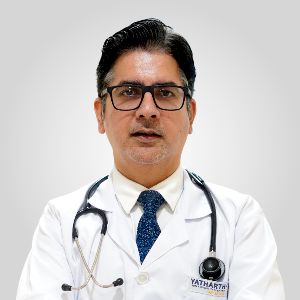
Verified by:

Other Conditions & Treatments
Get free second opinion from
India’s leading specialists.
Our Medical Experts
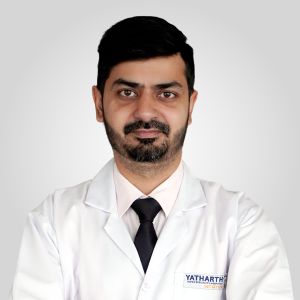
Dr. (Prof.) Kunal Bahrani
MBBS, MD, DM (AIIMS), MRCP (UK), FEBN, FIHN, FRCP (Glasgow, London)
Neurosciences
Neurology
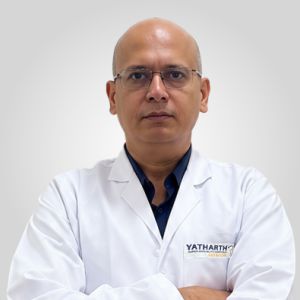
Dr. Siddharth Mittal
MBBS, MS (General Surgery), MCh (Neurosurgery)
Neurosciences
Neurosurgery
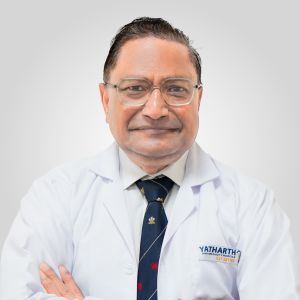
Dr. Ishwar Prasad Goel
MS (General Surgery), MBBS
Neurosciences
Neurosurgery
Frequently Asked Questions
The treatment of Repetitive Transcranial Magnetic Stimulation depends on the affected organ or system. It is usually managed by a qualified neurologists. At Yatharth Super Speciality Hospitals, you can consult experienced specialists for accurate diagnosis and appropriate treatment.
The outcome of Repetitive Transcranial Magnetic Stimulation depends on its type, severity, and how early it is diagnosed. Many cases can be effectively treated or managed with timely medical care and the right treatment approach.
Treatment options may include medication, lifestyle modifications, minimally invasive procedures, surgery, or rehabilitation, depending on the patient’s condition. The hospital offers comprehensive care tailored to individual needs.
You should consult a specialist if symptoms persist, worsen, or begin to affect your daily activities. Early consultation helps in timely diagnosis and better treatment outcomes.
Diagnosis may involve a physical examination, blood tests, and imaging tests. Additional specialised tests may be recommended based on the condition and symptoms.
You can access expert care for Repetitive Transcranial Magnetic Stimulation at Yatharth Super Speciality Hospitals in new delhi. With experienced specialists, advanced diagnostic facilities, and comprehensive treatment options available under one roof, the hospital ensures timely evaluation and personalised care close to your location.
Yatharth Super Speciality Hospitals offers expert-led care, advanced medical technology, and personalised treatment plans. With a patient-focused approach and comprehensive facilities, it is a trusted choice for effective treatment and long-term care.


