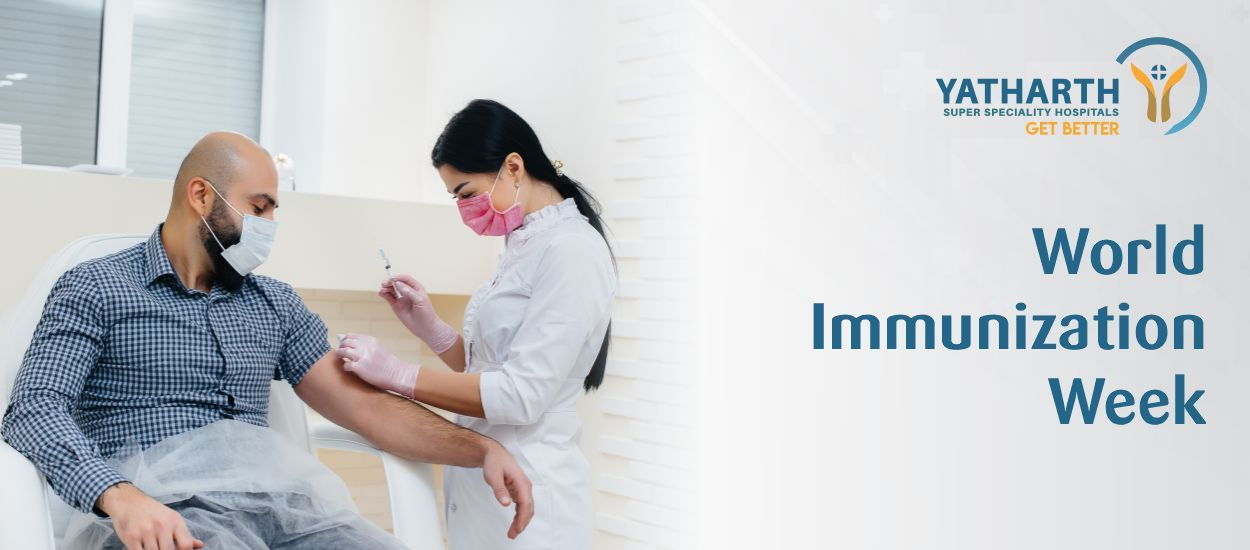


World Immunization Week 2026 is a globally recognized campaign aimed at promoting the life-saving power of vaccines. Also known as immunization week, world vaccination week, or vaccination awareness week, this annual observance highlights the critical role of vaccines in protecting people of all ages from preventable diseases.
Celebrated as part of the broader list of global health awareness days 2026, this week focuses on increasing vaccine awareness, strengthening healthcare systems, and encouraging communities to prioritize routine immunization.
World Immunization Week is held annually from April 24-30 and is globally recognised. The theme for 2026 is- for every generation, vaccines work
What is World Immunization Week?
World Immunization Week 2026 is an initiative led by the World Health Organization to raise awareness about the importance of vaccines in preventing serious diseases.
The campaign brings together governments, healthcare professionals, and communities worldwide to:
- Promote child vaccination awareness
- Increase access to vaccines
- Address vaccine hesitancy
- Strengthen immunization programs
Importance of Immunization
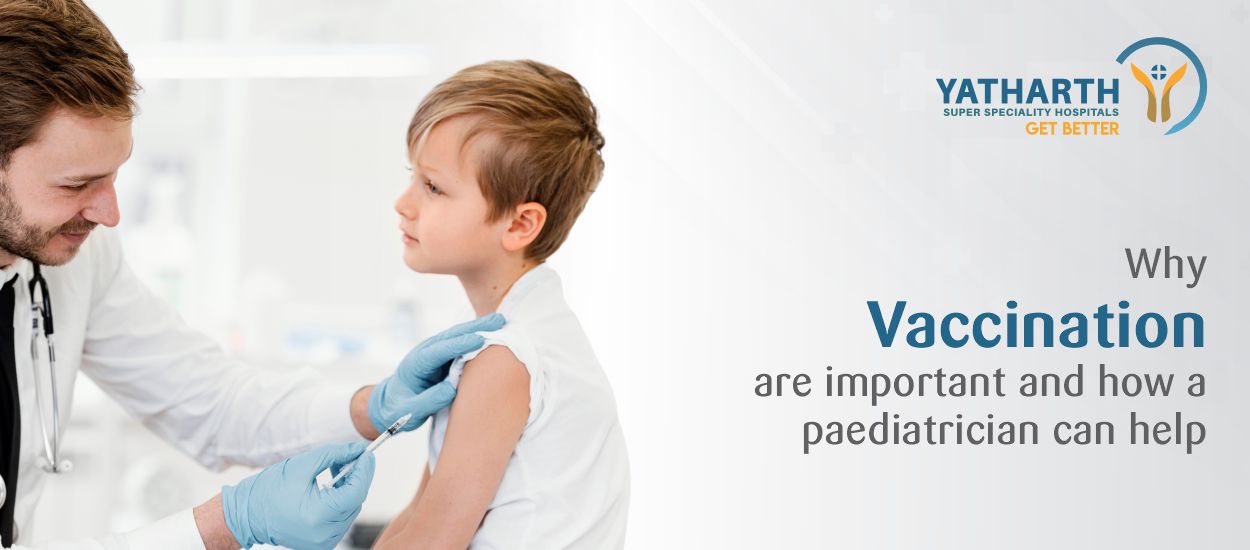
The importance of immunization cannot be overstated. Vaccines are one of the most effective public health interventions in history.
Why immunization matters
Prevents life-threatening infections
- Reduces child mortality rates
- Protects communities through herd immunity
- Helps eliminate or control diseases like polio and measles
Raising vaccine awareness during immunization week ensures more people understand the value of timely vaccinations.
Benefits of Vaccination
The benefits of vaccination go beyond individual protection. They contribute to overall public health and economic stability.
Key benefits include
- Protection against vaccine preventable diseases
- Reduced healthcare costs
- Prevention of disease outbreaks
- Improved quality of life
- Long-term immunity against infections
Vaccines not only save lives but also prevent disabilities and complications.
Routine Immunization: A Lifelong Shield
Routine immunization refers to the regular administration of vaccines according to a recommended schedule, especially for children.
Why routine immunization is essential
- Protects infants and children during vulnerable stages
- Ensures timely immunity development
- Prevents outbreaks of infectious diseases
Strengthening immunization programs ensures that no child is left behind.
Understanding the Immunization Schedule
An immunization schedule is a structured plan that outlines when vaccines should be given.
Typical schedule includes
- Birth vaccines (e.g., BCG, Hepatitis B)
- Infant vaccines (DTP, Polio, Rotavirus)
- Booster doses during childhood
- Adult and travel vaccines
Following the correct schedule is key to maximizing the benefits of vaccination.
Vaccine Preventable Diseases
Vaccines protect against numerous serious illnesses known as vaccine preventable diseases, such as:
- Measles
- Polio
- Diphtheria
- Tetanus
- Hepatitis B
- Influenza
Through consistent vaccination awareness week campaigns, many of these diseases have been significantly reduced or eradicated in several regions.
Role of Immunization Programs
Effective immunization programs play a vital role in delivering vaccines to populations.
These programs focus on
- Expanding vaccine access in rural and urban areas
- Educating communities about vaccine awareness
- Ensuring cold chain management for vaccine safety
- Monitoring vaccination coverage
Global efforts have made immunization accessible to millions, but continued awareness is essential.
Child Vaccination Awareness: Protecting Future Generations
Child vaccination awareness is a key focus of world vaccination week.
Why it matters:
- Children are more vulnerable to infections
- Early vaccination builds strong immunity
- Prevents long-term health complications
Parents and caregivers play a crucial role in ensuring children follow the immunization schedule.
Challenges in Immunization
Despite progress, challenges remain:
- Vaccine hesitancy and misinformation
- Lack of access in remote areas
- Inadequate healthcare infrastructure
- Missed routine immunization schedules
Campaigns like world immunization week 2026 aim to address these barriers.
How You Can Support Vaccination Awareness Week
You can contribute to vaccination awareness week by:
- Sharing reliable information about vaccines
- Encouraging family and community members to get vaccinated
- Supporting local healthcare initiatives
- Participating in awareness campaigns
Every effort helps strengthen global immunity.