
A healthy heart is essential for an active and fulfilling life. However, a reduction in blood flow and increased risks of chest pain, heart attack and other serious heart conditions can occur when the arteries supplying the heart with blood narrow or become blocked by fatty deposits (plaque). Angioplasty is a minimally invasive surgical procedure aimed at bringing back blood flow to the opened coronary artery to normal.
With state-of-the-art catheterization labs and comprehensive, evidence-based treatment protocols, Yatharth Hospital, New Delhi is at the forefront of offering advanced angioplasty & cardiac care through our panel of experienced interventional cardiologists. Whether you have an emergency procedure in the midst of a heart attack or plan to undergo a surgery for coronary artery disease, we hope you can recuperate gently and turn towards the normal routine once again with your heart sinewy.
If you are searching for angioplasty in New Delhi or heart stent surgery near me, Yatharth Hospital offers comprehensive cardiac care with a patient-first approach.
Angioplasty, or Percutaneous Coronary Intervention (PCI), is a non-surgical procedure that's very low in invasiveness and is designed for the treatment of narrowed or blocked coronary arteries. In the procedure, a thin tube carrying a tiny balloon on its tip is threaded through a blood vessel to the clogged artery. The balloon is gradually inflated to open up the artery, therefore increasing blood flow. In the majority of cases, a stent (small mesh tube) is put to hold the artery open and lower risk of closing it up due to plaque build-up later.
Unlike open-heart surgery, angioplasty does not require a large incision and usually allows for a faster recovery.
Your cardiologist may recommend angioplasty if you have:
Seek medical attention if you experience:
Prompt evaluation can help prevent serious complications such as a heart attack.
Performed as an emergency treatment during an acute heart attack to quickly restore blood flow.
A small balloon is used to widen the narrowed artery and restore blood flow.
These stents slowly release medication to reduce the risk of the artery becoming narrow again.
We use a DEB (Drug Eluting Balloon) during an angioplasty to open blocked blood vessels and simultaneously apply a special medication directly to the artery wall.
Traditional angioplasty uses an iodine contrast dye that the kidneys must filter out, which can cause kidney damage. Zero-contrast angioplasty (also called zero-dye or minimal-dye PCI) bypasses this risk.Doctors use special sound wave cameras to see inside the arteries instead of relying on dye.
Before recommending angioplasty, our cardiologist will perform a detailed evaluation to assess your heart health, identify blocked arteries & determine the most appropriate treatment.
These may include:
These tests help determine the severity and location of the blockage.
Angioplasty is usually performed under local anaesthesia. During the procedure, a thin catheter is guided through a blood vessel to the blocked coronary artery, where a small balloon is inflated to restore blood flow, and in most cases, a stent is placed to help keep the artery open.
The patient is given local anaesthesia at the catheter insertion site, usually the wrist or groin. Sedation may also be provided to help the patient relax.
A thin catheter is inserted into the artery and guided to the blocked coronary artery using real-time X-ray imaging.
A tiny balloon at the tip of the catheter is inflated for a few seconds to compress the plaque against the artery wall and improve blood flow.
In most patients, a stent is placed at the treated area to keep the artery open and reduce the risk of future narrowing.
Once blood flow has been restored, the balloon and catheter are removed, and the insertion site is closed. The patient is then monitored for recovery.
The entire procedure generally takes between 30 minutes to a few, depending on the complexity of the blockage.
Most patients recover quickly after angioplasty.
Adopting a heart-healthy lifestyle after angioplasty significantly improves long-term outcomes.
Angioplasty offers several advantages, including:
Although angioplasty is considered a safe procedure, potential risks include:
Your cardiologist will discuss these risks and the measures taken to minimize them.
Yatharth Hospital is committed to delivering comprehensive and advanced cardiac care through a team of experienced cardiologists, state-of-the-art technology, and evidence-based treatment protocols. We provide personalized care for patients with coronary artery disease (CAD), ensuring timely diagnosis, effective treatment, and long-term heart health management.
Our strengths include:
From the initial diagnosis through treatment, recovery, and ongoing heart health management, our team works closely with every patient to provide timely, compassionate, and high-quality care. Whether you require medical management, angioplasty, or bypass surgery, Yatharth Hospital offers comprehensive coronary artery disease treatment under one roof, ensuring the best possible outcomes for every patient.
India’s leading specialists.
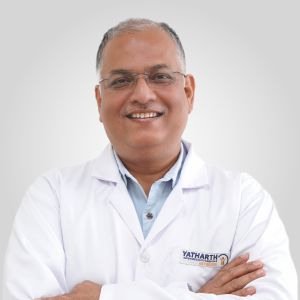
MBBS, MD (Medicine), DM (Cardiology), FACC (USA), FESC (Europe), FSCAI (USA), FCSI
Cardiology
Cardiac Sciences
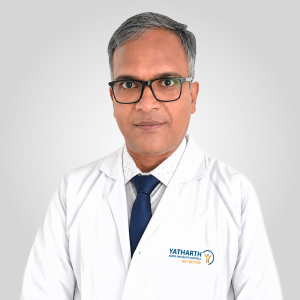
MBBS, MD (Pediatric), FNB (Pediatric Cardiology)
Cardiology
Paediatrics
Becoming a mother again at 40 was emotional, but I felt completely safe in the hands of Dr. Sonal Bathla. Nancy Chadha shares her...

Becoming a mother again at 40 was emotional, but I felt completely safe in the h...
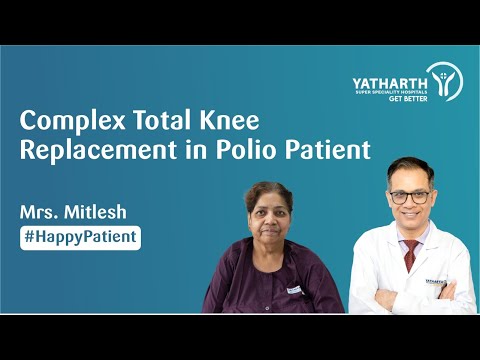
This video highlights the successful outcome of a Complex Total Knee Replacement...
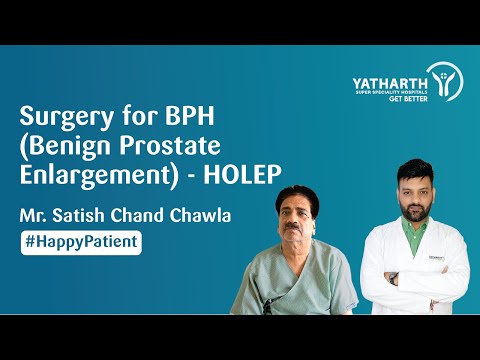
Meet Mr. Satish Chand Chawla, who underwent HOLEP – Holmium Laser Enucleation ...
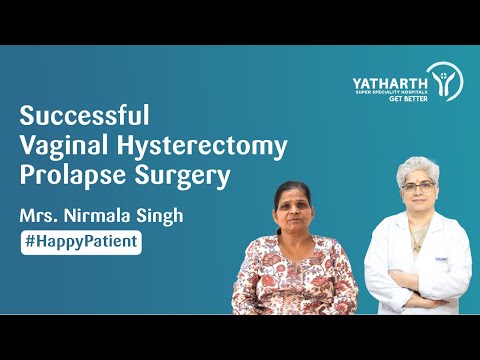
Meet Mrs. Nirmala Singh, who underwent a Successful Vaginal Hysterectomy Prolaps...
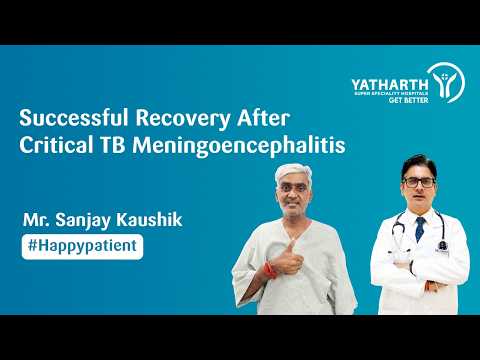
Mr. Sanjay Kaushik’s journey is a powerful story of hope and recovery after ba...
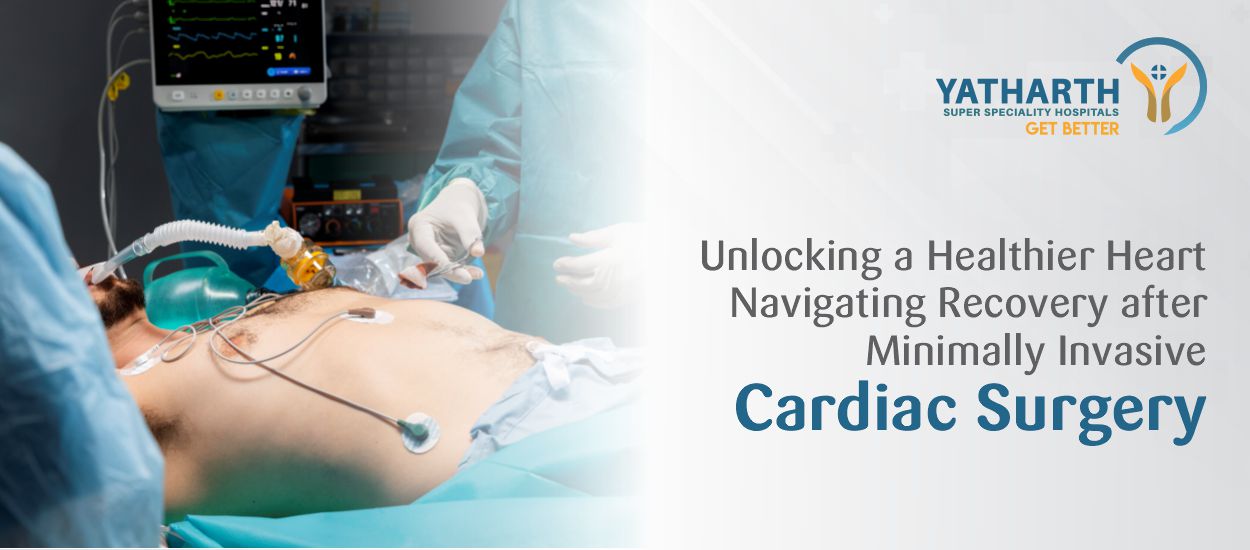
Affordable Price Minimally Invasive Cardiac Surgery: Unlock a faster, smoother recovery after Minimal Invasive Cardiac S...
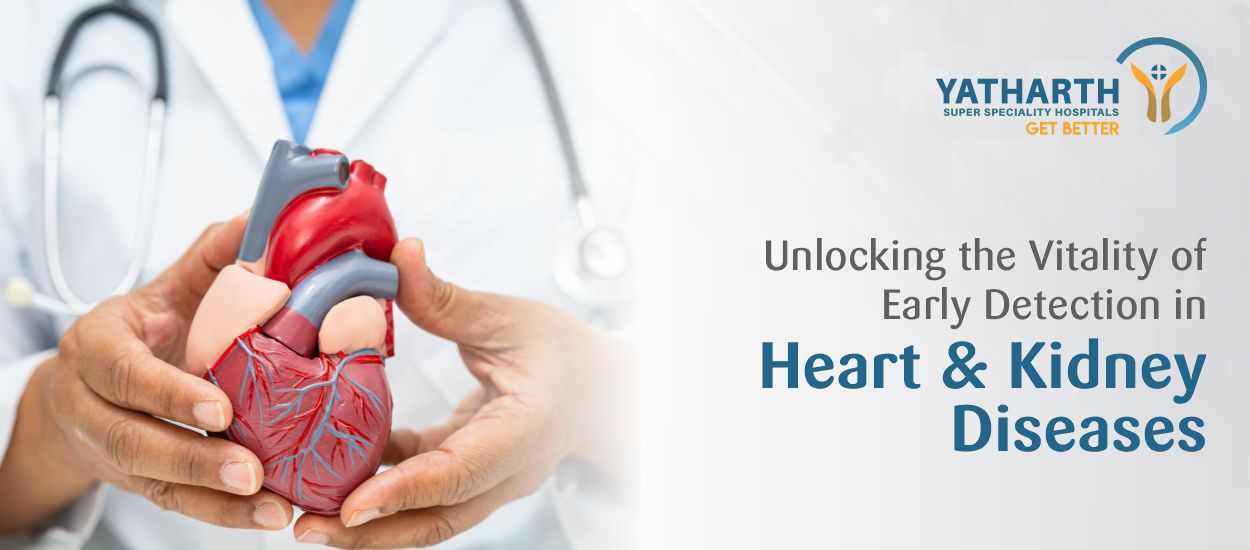
Learn why early detection is critical for managing heart and kidney conditions and enhancing overall health.
The widespread global rise of cardiovascular diseases (CVDs) requires constant monitoring to allow effective treatment a...


