
A liver transplant is a surgical procedure to replace a diseased liver with a healthy liver from a donor. Liver transplant is advised when all other options of medical and surgical intervention are not able to treat the liver disease or damage, in patients with end-stage liver disease or acute liver failure. At Yatharth Hospital, we have state-of-the-art facilities and a multidisciplinary team to ensure the best outcomes for liver transplant patients.
A liver transplant is recommended in the following situations:
Liver failure can occur in two ways:
Common causes of liver failure include Chronic viral infections with hepatitis B and C, Diabetes, Alcoholism, Fatty liver disease, or Bile duct abnormalities, such as primary biliary cholangitis, primary sclerosing cholangitis, and biliary duct atresia.
Liver transplant surgery pre-assessment includes:
Eligibility for a liver transplant is determined through a comprehensive evaluation of a patient’s medical condition and overall health.
Note: The evaluation process for a liver transplant is complex, and not all patients with end-stage liver disease may be eligible.
Liver transplant surgery involves several steps:
Quality of Life: Many recipients experience significant improvements, resuming normal activities and alleviating symptoms of liver disease.
Complications: Risks include rejection, infections, and medication side effects, managed by the medical team.
India’s leading specialists.

MBBS, MS, FAIS, FALS (HPB), FICRS, FACS
GI Surgery & Liver Transplant
Liver Transplant

MBBS, MS, MCh
GI Surgery & Liver Transplant
Liver Transplant
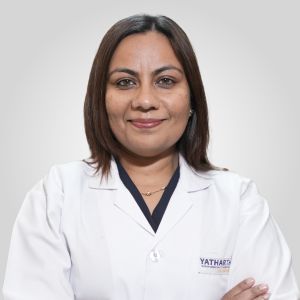
MBBS, DA, DNB (Anaesthesiology), MNAMS
Critical Care
GI Surgery & Liver Transplant
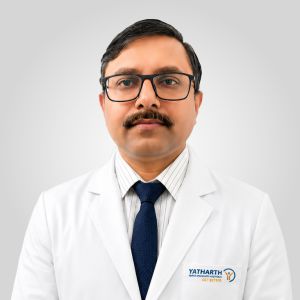
MBBS, MS, MCh (Surgical Gastroenterology), FMAS, FALS, FACRSI
GI Surgery & Liver Transplant

MBBS, MS (General Surgery), DrNB (Surgical Gastroenterology)
Robotic Surgery
GI Surgery & Liver Transplant
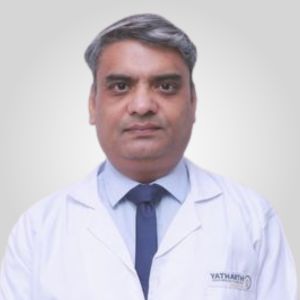
MBBS, MS, DNB (GI Surgery )
GI Surgery & Liver Transplant
Becoming a mother again at 40 was emotional, but I felt completely safe in the hands of Dr. Sonal Bathla. Nancy Chadha shares her...

Becoming a mother again at 40 was emotional, but I felt completely safe in the h...
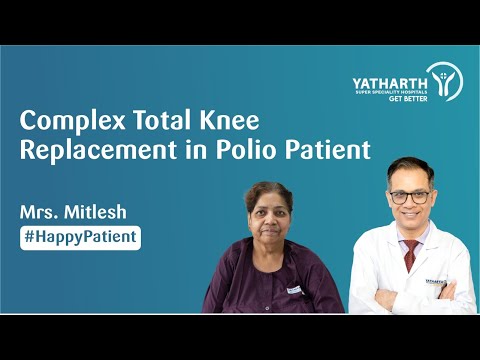
This video highlights the successful outcome of a Complex Total Knee Replacement...
Meet Mr. Satish Chand Chawla, who underwent HOLEP – Holmium Laser Enucleation ...
Meet Mrs. Nirmala Singh, who underwent a Successful Vaginal Hysterectomy Prolaps...
Mr. Sanjay Kaushik’s journey is a powerful story of hope and recovery after ba...
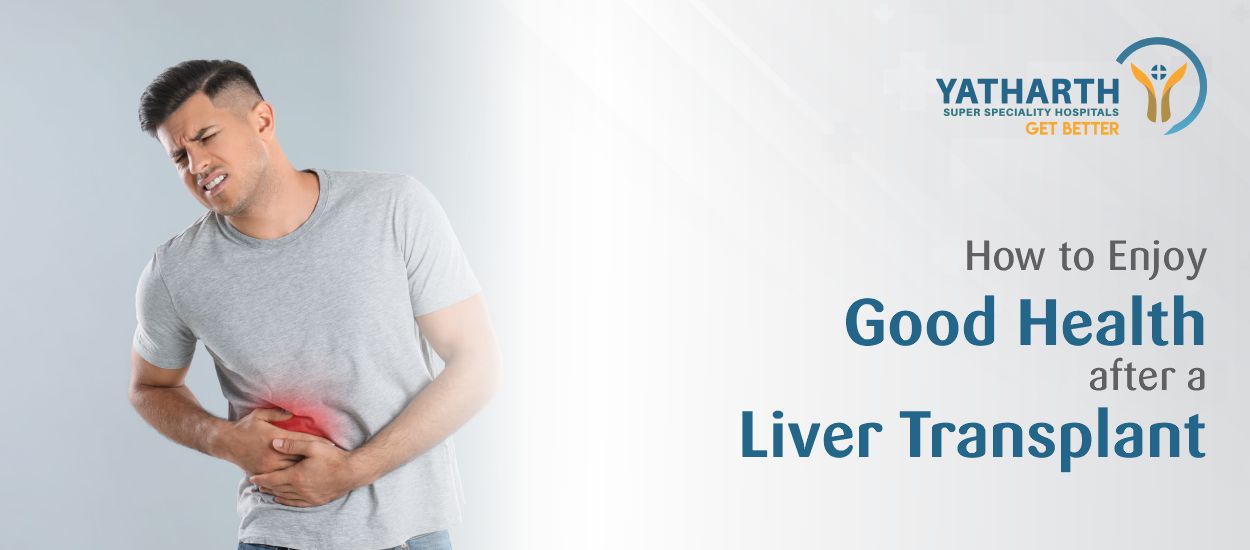
For those with chronic liver failure, a liver transplant is the best option to enjoy a long, healthy life. After the pro...
Gastroenteritis, commonly known as the stomach flu is an inflammation of the stomach and intestines that leads to vomiti...


