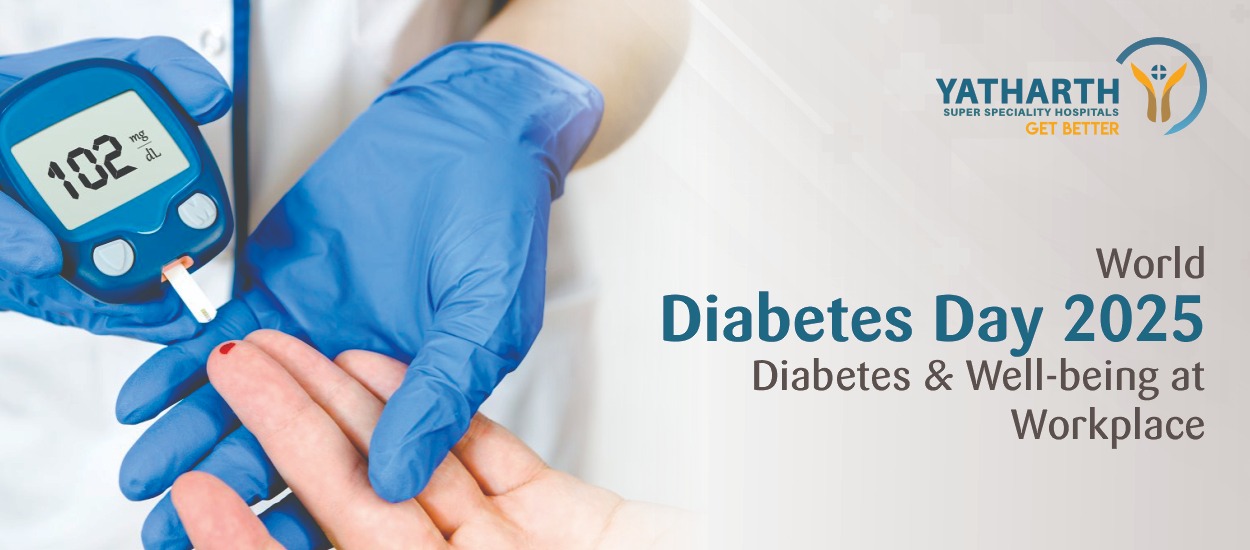


What is World Diabetes Day?
World Diabetes Day (WDD) was created to raise awareness about diabetes — its causes, its risks, and, most importantly, how to prevent it. Celebrated every year on November 14, it also honors Sir Frederick Banting, one of the scientists who discovered insulin — the hormone that has been saving lives for over a century.
This day reminds us to:
- Educate ourselves and others about diabetes.
- Promote healthy living and early screening.
- Understand the types of diabetes — because knowing your type helps you manage it better.
Types of Diabetes
- Type 1 Diabetes: An autoimmune condition where the body stops making insulin. It usually appears in childhood or adolescence and requires daily insulin for survival.
- Type 2 Diabetes: The most common type. It occurs when the body can’t use insulin properly. It’s often linked to poor diet, inactivity, or genetics but can often be prevented with lifestyle changes.
- Gestational Diabetes: Develops during pregnancy. While it often goes away after childbirth, it raises the risk of developing Type 2 diabetes later in life.
Early Warning Signs
Diabetes doesn’t always announce itself loudly — sometimes it creeps in quietly. Watch for:
- Constant thirst or fatigue
- Frequent urination
- Blurred vision
- Unexplained weight loss
- Slow-healing wounds or frequent infections
- Tingling in hands or feet
If these sound familiar, don’t wait. Early detection can change everything.
What Increases the Risk?
A mix of genetics, environment, and lifestyle habits can play a role. Here are some common triggers:
- Diets high in sugar and processed foods
- Sedentary lifestyle
- Belly fat or obesity
- Family history
- Hormonal changes during pregnancy
- Stress and poor sleep
You cannot change your genes - but your habits? Those you can control.
Why World Diabetes Day Matters
It’s more than awareness — it’s a call for collective action.
The day reminds us to:
- Get tested regularly
- Eat healthier
- Move more
- Create diabetes-friendly workplaces
- Support access to care for all
At Yatharth Hospital, we believe that awareness is only the beginning — every small step counts.
2025 Theme: Diabetes and Well-being at the Workplace
Most of us spend a large part of our day at work. Long hours, skipped meals, and stress can quietly increase diabetes risk — but small, consistent habits make a world of difference.
Here’s how you can start:
- Take short walking breaks
- Eat balanced meals (and on time!)
- Stay hydrated
- Manage stress through deep breathing or mindfulness
- Get regular health check-ups
At Yatharth Hospital, we’re organizing health talks, screening camps, and awareness drives across workplaces — because professional success should never come at the cost of personal health.
A Little History
World Diabetes Day began in 1991, launched by the International Diabetes Federation (IDF) and the World Health Organization (WHO) in response to rising global cases.
In 2006, the United Nations officially recognized it as a global health day. Its symbol - the blue circle - represents unity in the fight against diabetes.
How Diabetes Affects Daily Life
If left uncontrolled, diabetes can affect almost every organ:
- Heart: Increases the risk of heart attack or stroke
- Kidneys: Can lead to damage or failure
- Eyes: May cause vision problems
- Nerves: Tingling, numbness, or pain
- Mental Health: Constant management can lead to anxiety or stress
But here’s the hopeful part — with the right treatment, diet, and routine, people with diabetes can live long, healthy, and fulfilling lives.
How to Reduce Your Risk (Starting Today)
- Eat fresh fruits, vegetables, and whole grains
- Cut down on sugar and processed foods
- Exercise at least 30 minutes daily
- Maintain a healthy weight Sleep well and manage stress
- Go for regular screenings
Perfection isn’t the goal — consistency is.
How Yatharth Hospital Supports Diabetes Care
At Yatharth Hospital, Noida, our Diabetes Care Team provides complete, compassionate support — from diagnosis to long-term care.
Our services include:
- Expert endocrinologists and diabetologists
- Advanced blood sugar and HbA1c testing
- Personalized nutrition and lifestyle counseling
- Community screening camps and awareness drives
- Corporate wellness initiatives
- Continuous follow-up for better long-term control
Our goal: To help every patient live better — not just manage better.
Take the First Step Today
This World Diabetes Day, let’s go beyond awareness — let’s take action.
Get tested. Eat mindfully. Stay active. Prioritize your health.
At Yatharth Hospital, we’re here for you — from prevention to lifelong care. Because when it comes to diabetes, early awareness means a healthier tomorrow.