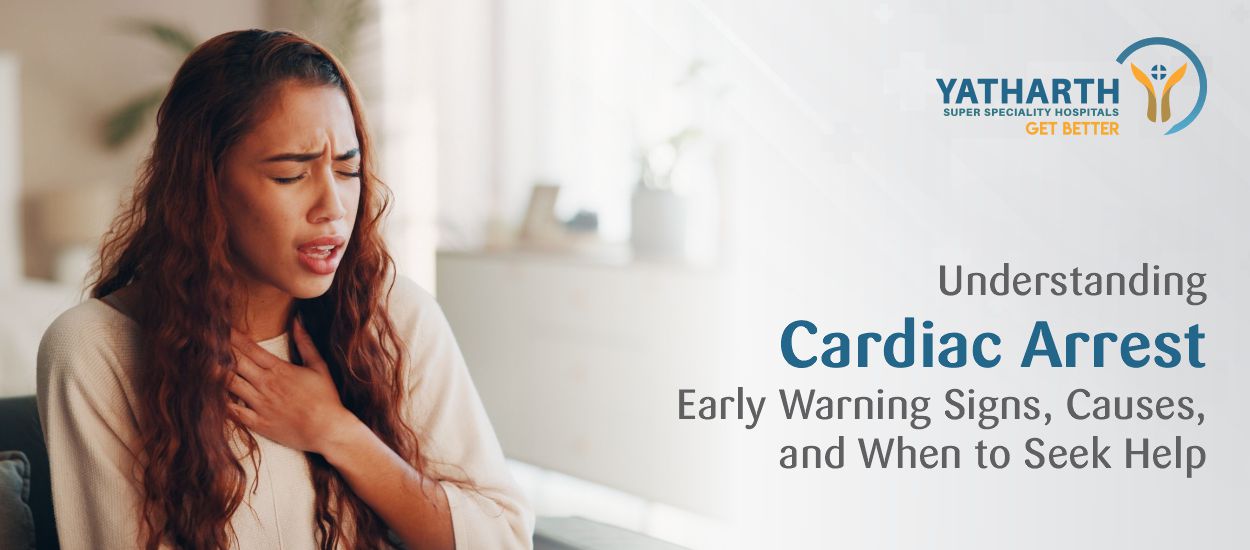


Cardiac arrest is a sudden, life-threatening emergency in which the heart stops pumping blood to the body, cutting off oxygen supply to the brain and other organs. It can happen without warning and becomes critical within minutes, making early recognition and swift action essential. Raising awareness about its symptoms, causes, and risk factors helps individuals respond quickly and seek the right medical support when every second counts. Let’s start by understanding the basics.
What is Cardiac Arrest?
Cardiac arrest occurs when the heart’s electrical system suddenly malfunctions, causing the heart to stop beating effectively. This abrupt failure leads to an immediate halt in blood circulation, preventing oxygen from reaching the brain and other vital organs. Without prompt intervention, unconsciousness can occur within seconds and irreversible damage to the brain may begin within minutes. To understand this condition clearly, it helps to look at how cardiac arrest disrupts normal heart activity.
Here are the key points that explain the meaning and mechanism of cardiac arrest.
-
Electrical failure of the heart: The heart’s natural rhythm becomes chaotic or stops altogether, preventing it from pumping blood.
-
Circulatory arrest: Blood flow to the body comes to a standstill, compromising oxygen supply.
-
Cardiopulmonary arrest: Both breathing and heartbeat stop simultaneously, requiring immediate life-saving measures such as CPR.
-
Rapid progression: Collapse, loss of consciousness, and absence of pulse occur almost instantly if treatment is not initiated.
Cardiac Arrest vs Heart Attack: Why Understanding the Difference Matters
Although the terms are often used interchangeably, cardiac arrest and heart attack are two distinct medical emergencies. Knowing the difference is crucial because each condition requires a different type of immediate response. A heart attack is a circulation problem, while cardiac arrest is an electrical failure. Understanding this distinction helps individuals act quickly and seek the right kind of help when symptoms appear.
The following points highlight how these conditions differ and how they may be connected:
-
What happens during a heart attack: A heart attack occurs when blood flow to part of the heart muscle becomes blocked, usually due to a clot. The heart typically continues to beat, but the damage can worsen if treatment is delayed.
-
What happens during cardiac arrest: Cardiac arrest is caused by an electrical disruption that stops the heart from pumping blood, leading to sudden collapse and loss of consciousness.
-
How one can trigger the other: A severe heart attack can destabilise the heart’s electrical system, leading to sudden cardiac arrest in some cases.
-
Differences in symptoms: Heart attacks often present with chest pain, sweating, or breathlessness, while cardiac arrest causes immediate unresponsiveness, no pulse, and abnormal or absent breathing.
-
Urgency of both conditions: Both require rapid medical intervention, but cardiac arrest needs immediate CPR and defibrillation to restore a heartbeat.
Types of Cardiac Arrest
Cardiac arrest can occur due to different disruptions in the heart’s electrical activity. These patterns determine how the heart responds and guide the type of emergency treatment required. Understanding these types helps explain why some forms of cardiac arrest may be more responsive to defibrillation, while others are not. Below are the main types commonly identified during an emergency assessment:
-
Ventricular fibrillation (VF): The most frequent cause of sudden cardiac arrest, where the lower chambers of the heart quiver chaotically instead of contracting properly.
-
Ventricular tachycardia (VT): A dangerously fast heart rhythm originating in the ventricles, which may quickly progress to ventricular fibrillation if untreated.
-
Asystole: A complete absence of electrical activity, often referred to as a “flatline,” in which defibrillation is typically ineffective, and CPR becomes the primary lifesaving measure.
-
Pulseless electrical activity (PEA): Electrical signals appear on the monitor, but the heart muscle fails to contract effectively, resulting in no detectable pulse.
Early Signs and Symptoms of Cardiac Arrest
Cardiac arrest often strikes without warning, but in some cases, there may be subtle signs hours or even days before the event. Paying attention to these symptoms is crucial, especially for individuals with existing heart conditions or risk factors. When cardiac arrest occurs, the symptoms appear suddenly and require immediate medical action to prevent serious harm.
The following signs and symptoms may indicate an impending or active cardiac arrest:
-
Sudden collapse: One of the most recognisable symptoms, where a person becomes unresponsive and loses consciousness almost instantly.
-
No breathing or abnormal breathing (gasping): Breathing may stop completely or become irregular due to sudden loss of heart function.
-
Absence of pulse: No detectable pulse is a key indicator that the heart is no longer pumping blood.
-
Chest discomfort or pressure: Some individuals experience chest pain, tightness, or pressure shortly before the event, suggesting heart-related distress.
-
Palpitations or irregular heartbeats: A fluttering or racing heartbeat may signal an abnormal rhythm that could lead to cardiac arrest.
-
Dizziness or fainting: Reduced blood flow to the brain can cause sudden light-headedness, near-fainting, or complete loss of consciousness.
-
Unexplained fatigue or weakness: Persistent tiredness may indicate underlying heart dysfunction, particularly in high-risk individuals.
Causes of Cardiac Arrest
Cardiac arrest can occur for several reasons, most of which are linked to problems in the heart’s electrical or structural function. Understanding these causes is important because many of them can be detected and managed early through regular cardiac evaluations and timely treatment. The following points outline the major medical conditions and triggers that may lead to cardiac arrest:
-
Coronary artery disease: The most common cause, where narrowed or blocked arteries reduce blood flow and increase the risk of dangerous arrhythmias.
-
Heart attack–related instability: A severe heart attack can damage the heart muscle and interfere with its electrical system, sometimes triggering sudden cardiac arrest.
-
Arrhythmias: Abnormal heart rhythms, particularly ventricular fibrillation and ventricular tachycardia, are leading contributors to cardiac arrest.
-
Cardiomyopathy: Conditions that weaken or enlarge the heart muscle make it more susceptible to electrical disturbances.
-
Congenital heart defects: Structural problems present at birth can affect heart rhythm and function, increasing the risk of arrest.
-
Severe electrolyte imbalance: Abnormal levels of potassium or magnesium can disrupt electrical signals and cause life-threatening rhythms.
-
Respiratory arrest: When breathing stops, oxygen levels drop sharply, which can trigger cardiac arrest if not corrected.
-
Drug toxicity or overdose: Certain medications or substances can depress heart function or provoke dangerous arrhythmias.
-
Major trauma or blood loss: Significant injury or bleeding can prevent the heart from receiving enough oxygen, leading to circulatory collapse
Risk Factors for Cardiac Arrest
Certain medical conditions, lifestyle choices, and inherited factors can increase the likelihood of experiencing cardiac arrest. Recognising these risks allows individuals to take preventive steps and seek timely medical advice, especially if any symptoms appear. Understanding these factors also helps identify who may require closer cardiac monitoring or specialised care.
The following risk factors are known to elevate the chances of sudden cardiac arrest:
-
Previous heart attack: Damage to the heart muscle increases the risk of electrical instability.
-
Family history of sudden cardiac death: Inherited conditions may affect heart rhythm or structure.
-
High blood pressure, diabetes, or high cholesterol: These conditions contribute to coronary artery disease, the leading cause of cardiac arrest.
-
Obesity and sedentary lifestyle: Reduced physical activity strains the cardiovascular system over time.
-
Smoking and excessive alcohol consumption: Both habits weaken heart health and trigger arrhythmias.
-
Chronic illnesses: Conditions such as kidney disease or heart failure can compromise heart function.
-
Advancing age: Risks rise significantly with age due to natural changes in heart structure and blood vessels.
-
Existing arrhythmias: Individuals with known rhythm disorders are particularly vulnerable to sudden cardiac events.
How is Cardiac Arrest Diagnosed During an Emergency?
In an emergency, diagnosing cardiac arrest focuses on rapid assessment and immediate action. Since the heart stops pumping blood effectively, every second is crucial. Doctors and emergency responders quickly evaluate the patient’s condition to confirm cardiac arrest and begin lifesaving treatment right away. The following diagnostic steps help determine what is happening and guide the next course of action. These methods are commonly used to assess cardiac arrest during an emergency:
-
Physical evaluation: The first step is checking responsiveness, breathing, and pulse to determine whether the heart has stopped functioning.
-
Electrocardiogram (ECG): An ECG provides real-time information about the heart’s electrical activity and helps identify the type of rhythm disturbance.
-
Blood tests: These measure oxygen levels, electrolytes, cardiac enzymes, and other markers that may have contributed to the arrest.
-
Echocardiogram: This imaging test helps identify structural abnormalities, heart muscle weakness, or valve problems once the heartbeat is restored.
-
Coronary angiography: If a heart attack is suspected as the underlying cause, angiography may be performed to examine blood flow in the coronary arteries.
Emergency Treatment and Management of Cardiac Arrest
When cardiac arrest occurs, immediate treatment is essential to restore the heart’s function and prevent serious complications. The primary goal is to restart effective circulation as quickly as possible, as delays of just a few minutes can greatly reduce survival chances. Emergency responders and hospital teams follow a structured approach to stabilise the patient and provide advanced care once the heartbeat is restored.
The following medical interventions form the core of cardiac arrest management:
-
CPR (Cardiopulmonary Resuscitation): Continuous chest compressions help maintain blood flow to the brain and vital organs until advanced treatment is available.
-
Defibrillation: An automated external defibrillator (AED) or hospital-grade defibrillator delivers an electrical shock to reset the heart’s rhythm, especially in cases of ventricular fibrillation or tachycardia.
-
Airway and ventilation support: Oxygen therapy and assisted breathing may be provided to restore adequate oxygen levels.
-
Medications: Drugs such as adrenaline and antiarrhythmics are administered to support heart rhythm and circulation during resuscitation.
-
Post-resuscitation care in the ICU: Once the heartbeat returns, the patient receives close monitoring, stabilisation, temperature management, and treatment of underlying causes to prevent recurrence.
Potential Complications After Cardiac Arrest
Surviving a cardiac arrest is a significant milestone, but the body may experience various complications due to the brief interruption of blood and oxygen supply. These complications can range from short-term issues to long-lasting effects, depending on how quickly treatment was initiated. Understanding these possibilities helps families prepare for recovery and follow-up care after the event. Here are the complications that may occur after cardiac arrest:
-
Brain injury: Reduced oxygen supply can lead to memory problems, difficulty concentrating, or long-term neurological challenges.
-
Organ dysfunction: Kidneys, liver, and other organs may be affected due to temporary loss of circulation.
-
Heart-related complications: Weak heart function, arrhythmias, or heart failure may occur following the arrest.
-
Cognitive and behavioural changes: Some individuals experience mood swings, confusion, or reduced alertness during recovery.
-
Mobility or muscle weakness: Prolonged immobility and oxygen deprivation can result in weakness requiring rehabilitation support.
How to Prevent Cardiac Arrest
While cardiac arrest can sometimes occur unexpectedly, many underlying risks can be managed through healthy habits and timely medical care. Prevention focuses on protecting heart health, controlling chronic conditions, and avoiding behaviours that strain the cardiovascular system. Taking proactive steps not only lowers the chance of cardiac arrest but also supports overall wellbeing.
The following measures can help reduce the risk of cardiac arrest:
-
Lead a heart-healthy lifestyle: Eating balanced meals, staying active, and maintaining a healthy weight support long-term heart function.
-
Manage chronic conditions: Proper control of high blood pressure, diabetes, and high cholesterol significantly lowers cardiovascular risks.
-
Avoid tobacco and limit alcohol: Smoking and heavy alcohol use damage blood vessels and can trigger dangerous arrhythmias.
-
Stay physically active: Regular exercise improves heart strength, circulation, and overall fitness.
-
Reduce stress levels: Chronic stress can contribute to high blood pressure and arrhythmias.
-
Seek early treatment for arrhythmias: Prompt medical care for irregular heartbeats can prevent sudden complications.
-
Schedule regular heart check-ups: Routine screenings help detect issues early, particularly for individuals with risk factors.
When to Seek Emergency Medical Care
Recognising when to seek urgent help can make a crucial difference in preventing severe complications from cardiac arrest. Symptoms may appear suddenly or develop gradually, and individuals with existing heart conditions or risk factors should be particularly alert. Seeking emergency care at the right time ensures timely treatment, accurate diagnosis, and rapid stabilisation.
Seek immediate medical attention in situations, such as:
-
Persistent or severe chest discomfort: Tightness, pressure, or pain that does not improve with rest may indicate a serious cardiac problem.
-
Sudden shortness of breath: Difficulty breathing without exertion can signal heart or circulatory distress.
-
Palpitations or irregular heartbeat: A racing or unusually slow heartbeat may require urgent evaluation.
-
Dizziness, fainting, or near-collapse: These symptoms may point to reduced blood flow or electrical instability in the heart.
-
Unexplained fatigue in high-risk individuals: Sudden weakness or extreme tiredness can be an early sign of cardiac dysfunction.
-
Recurrent episodes of discomfort: Any repeated symptoms affecting the chest, breathing, or consciousness should prompt immediate assessment by a cardiologist in Delhi NCR or the nearest emergency centre.
Why Yatharth Hospital is Trusted for Advanced Cardiac Emergency Care
Timely and specialised treatment is essential when dealing with cardiac arrest, and choosing the right medical centre can significantly impact outcomes. Yatharth Hospital has built a strong reputation for delivering expert cardiac care backed by advanced technology, skilled specialists, and a compassionate approach. With a commitment to clinical excellence and patient safety, the hospital ensures that individuals facing cardiac emergencies receive rapid, reliable, and evidence-based care. Here’s why patients across Delhi NCR place their trust in Yatharth Hospital for cardiac emergencies:
Legacy of Excellence in Cardiac and Critical Care
With over 16 years of dedicated service, Yatharth Hospital has grown into one of the region’s most respected multispeciality healthcare institutions. Its NABH and NABL accreditations reflect a consistent focus on high-quality care, clinical precision, and ethical treatment for every patient.
Skilled Cardiologists and 24×7 Emergency Response Teams
The hospital’s team of experienced cardiologists, emergency physicians, and critical care specialists work together to ensure immediate and effective management of cardiac arrest cases. Their expertise in handling complex heart conditions provides patients with a higher chance of recovery and long-term stability.
Advanced Diagnostics and Modern Treatment Facilities
Yatharth Hospital is equipped with cutting-edge cardiac diagnostic tools, including ECG, echocardiography, cardiac monitoring systems, and advanced ICU infrastructure. This enables prompt assessment and personalised treatment for individuals experiencing cardiac arrest or related symptoms.
Compassionate, Patient-Centred Approach to Care
Alongside clinical excellence, Yatharth Hospital emphasises empathy, clear communication, and emotional support for patients and their families. The hospital’s focus on comfort, safety, and dignity ensures a healing environment where individuals feel cared for during emergency situations.
Comprehensive Care From Emergency to Recovery
Yatharth Hospital provides seamless care across the entire treatment journey, from emergency stabilisation to post-resuscitation support and rehabilitation. This holistic approach helps patients achieve better outcomes and reduces the risk of future cardiac events.
Moving Forward With Timely Heart Care
Cardiac arrest is a medical emergency that demands immediate recognition and rapid action. Understanding its symptoms, causes, and risk factors can help individuals respond quickly and seek lifesaving care when it matters most. With timely diagnosis, advanced treatment, and strong post-emergency support, many people can recover and regain stability after such a critical event.
To consult a cardiac specialist or seek emergency care at Yatharth Hospital, call +91-9582833333. You can also schedule your consultation through our online booking portal