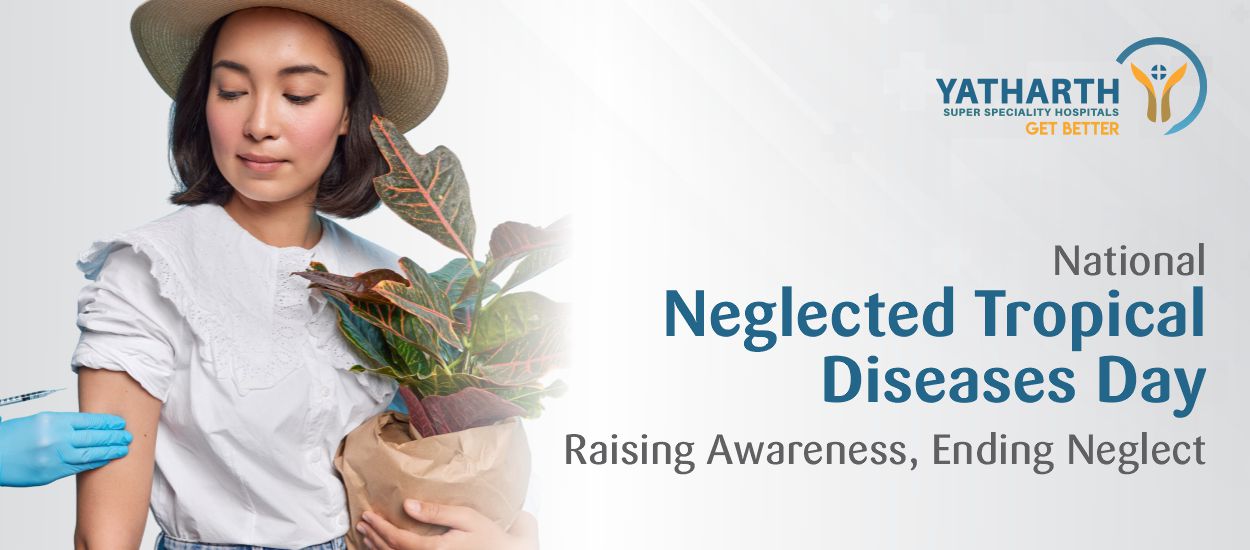


World Neglected Tropical Diseases Day 2026, observed on 30 January 2026, is more than just a date on the calendar - it’s a reminder that millions of people are still living with diseases that are often overlooked and ignored. Neglected Tropical Diseases (NTDs) affect over a billion people worldwide, particularly those in low-income and tropical regions, causing not only long-term health problems but also stigma, lost livelihoods, and financial hardship. What makes this even more heartbreaking is that many of these diseases are preventable and treatable.
NTD Day 2026 calls on all of us - communities, healthcare workers, governments, and individuals - to come together. By spreading awareness, improving access to timely healthcare, and supporting global elimination efforts, we can help ensure that no one is left behind and move closer to a future where these diseases are eliminated by 2030.
What are Neglected Tropical Diseases (NTDs)?
Neglected Tropical Diseases are a group of infectious diseases that thrive mainly in tropical and subtropical regions. They are termed “neglected” because they receive less attention and funding compared to other global diseases, even though their impact is severe.
Common NTDs include:
-
Dengue
-
Leprosy
-
Lymphatic Filariasis (Elephantiasis)
-
Chikungunya
-
Kala-azar (Visceral Leishmaniasis)
-
Schistosomiasis
-
Soil-transmitted Helminth infections
Importance of Neglected Tropical Diseases Awareness
Neglected tropical diseases awareness is crucial to:
-
Encourage early detection and timely treatment
-
Reduce disease-related stigma and discrimination
-
Promote hygiene, sanitation, and vector control
-
Support mass drug administration (MDA) programs
-
Mobilize governments and communities for prevention
NTD Awareness Day empowers communities with knowledge, helping to break the cycle of poverty and disease.
NTD Causes
Understanding NTD causes is key to prevention. These diseases are mainly caused by:
-
Parasites (worms, protozoa)
-
Bacteria (e.g., leprosy)
-
Viruses (e.g., dengue, chikungunya)
They spread through:
-
Mosquito and insect bites
-
Contaminated water and soil
-
Poor sanitation and hygiene
-
Close human contact in overcrowded areas
NTD Symptoms
NTD symptoms vary depending on the disease but commonly include:
-
Persistent fever
-
Skin lesions, rashes, or nodules
-
Swelling of limbs or genitals
-
Chronic pain or fatigue
-
Vision impairment or blindness
-
Digestive problems
Early symptoms are often mild, which leads to delayed diagnosis and complications.
NTD Treatment
Effective NTD treatment is available for most diseases and includes:
-
Antiparasitic and antibiotic medications
-
Antiviral drugs for specific infections
-
Supportive care for symptom management
-
Community-based Mass Drug Administration (MDA) programs
Early treatment not only saves lives but also prevents disability and transmission.
Tropical Disease Prevention Strategies
Tropical disease prevention is the most powerful tool to combat NTDs. Key measures include:
-
Maintaining personal hygiene and handwashing
-
Using clean drinking water
-
Improving sanitation facilities
-
Wearing protective clothing and mosquito repellents
-
Eliminating stagnant water to prevent mosquito breeding
-
Participating in vaccination and MDA campaigns
Role of World NTD Day 2026
World Neglected Tropical Diseases Day 2026 aims to:
-
Advocate for equitable healthcare access
-
Promote community-led prevention programs
-
Encourage global partnerships and funding
-
Support WHO’s roadmap for NTD elimination
The day reminds us that ending neglect is possible with collective effort.