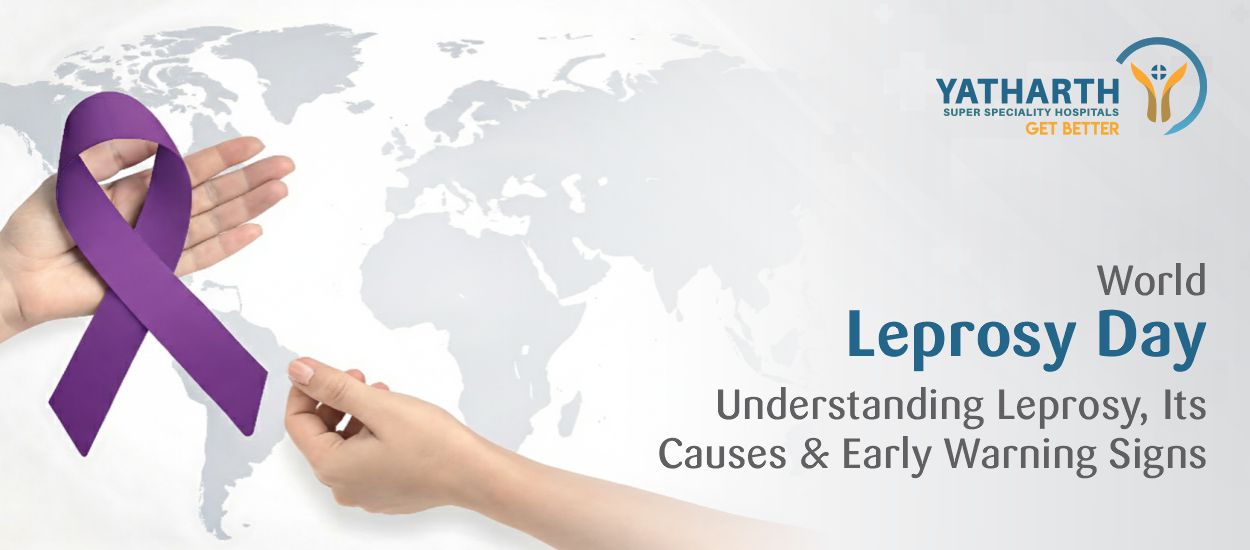


World Leprosy Day always takes place on the last Sunday of January. This date was chosen by French humanitarian, Raoul Follereau as a tribute to the life of Mahatma Gandhi, who did much work with persons affected by leprosy and died at the end of January in 1948. It is a day that celebrates humanity and it helps in promoting the dignity of those affected by leprosy. This year’s theme is “Leprosy is curable, the real challenge is stigma”. This campaign theme reflects the fact that leprosy is easily cured with antibiotic treatment, but stigma is all too common and can make life very difficult for persons affected by leprosy.
Also known as Leprosy Awareness Day, it is an occasion for educating communities about replacing fear with facts, encouraging early medical care, and treating those affected with dignity and compassion. It is organised by organisations of people affected by leprosy and leprosy-focused NGOs, including The Leprosy Mission, and is an opportunity to lift up the voices of people affected by leprosy throughout the world.
What Does Leprosy Mean?
Leprosy, also called Hansen’s disease (HD), is a long-term mildly infectious disease that primarily targets the skin, peripheral nerves and eyes. The disease advances at a slow pace and its symptoms may take years to come, which is when many cases of leprosy are not diagnosed at their early stages.
Leprosy is not as contagious as people think it is, as patients are no longer infectious after 72 hours of Multi-Drug Therapy treatment and people are able to have normal lives when treated in the early stages. Dispelling correct information is an important target of leprosy awareness campaigns worldwide.
Leprosy Causes: How Does It Develop and Spread?
Leprosy is caused by a bacterium known as Mycobacterium leprae. It is transmitted by close and long contact with an infectious person (which is a minority of leprosy patients), through droplets from the nose and mouth. Most people are not at risk of developing leprosy if they are exposed to this bacteria.
Here are the essential facts about the transmission of leprosy:
- You cannot get it by casual contact
- You can’t catch leprosy by shaking hands, hugging or eating with someone
Dissemination of correct information about the causes of leprosy has been the main activity of leprosy awareness day campaigns.
Why World Leprosy Day 2026 Is Important?
World Leprosy Day 2026 underscores the significance of early detection, social inclusion and the right to health. Although treatment for is effective, fear of discrimination causes many to wait too long.
This year’s theme is “Leprosy is curable, the real challenge is stigma”. This campaign theme reflects the fact that leprosy is easily cured with antibiotic treatment, but stigma is all too common and can make life very difficult for persons affected by leprosy. In celebrating leprosy day 2026, healthcare and community systems will unite and to fight stigma of the disease.
Early Signs of Leprosy: What to Notice
Knowing what the signs of leprosy are important and can help avoid serious complications. Symptoms in the early stages tend to be mild and painless which is why it is important to be aware.
The symptoms of leprosy include the following:
- Skin patches which are different colour from the rest of your skin (in brown/black skin the patches are lighter; in light-skinned people the patches are reddish in colour) and with no feeling (meaning that it is numb and has no sensation)
- Loss of feeling or numbness of the hands and feet.
- Muscle weakness or paralysis - struggling to hold things in your hands, unable to lift your foot up so that your toes are pointing upwards; unable to close your eyes.
- Thickened or tender nerves • Wounds over your hands and feet with no apparent cause that are slow to heal
If these early signs of leprosy are identified and medical advice is sought in time, it can prevent the damage to nerves and disability
Leprosy Treatment:
Early Care Saves Lives One of the key messages during World Leprosy Day 2026 is that leprosy is fully curable.
Treatment for leprosy today includes multi-drug therapy (MDT), as recommended by international public health organizations. MDT is highly effective in killing M. leprae and people are no longer infectious a few days after starting treatment. MDT is the only effective treatment for leprosy and you should not consider herbal remedies or any other forms of treatment.
Important things to know about leprosy treatment:
- Treatment depends on severity of disease
- Patients become non-infectious shortly after treatment
- Early treatment can prevent disability
- The drugs are safe and effective
A timely treatment for leprosy (Hansen's Disease) allows the person to regain full health and be as productive as he/she was before the disease.
The role of the community
There are many, many people across the world who think that leprosy is a disease of the past. However, in countries across the world - particularly in South America, Asia, and Africa - leprosy continues to impact lives and communities. Around 200,000 people are diagnosed every year and scientists believe there could be missing millions who have leprosy but have not yet been diagnosed. As there is not a specific vaccine for leprosy, leprosy prevention rests partly on early detection and community education.
Leprosy awareness aims to dispel myths, increase compassion and promote acceptance of those living with leprosy. On World Leprosy Day 2026, you or your group can: Pack the Street with Real Facts Stand up for those affected emotionally and socially Push for equal treatment and inclusion Fighting stigmas is just as vital as fighting the disease.