

Traveling is an adventure, but there is a lot of hard work involved and a lack of convenient and sanitary facilities. Amidst all the activities of packing, flying, or embarking on a road trip, the first thing that a woman compromises on, without even realizing its consequences, is her personal hygiene.
In the case of women, travel hygiene is more than just feeling clean. Intimate health, menstruation, weather conditions, and strange restrooms are all factors that impact how comfortable and healthy your travels will be. It does not take much to prevent infection, irritation, and stress while traveling.
Why Hygiene Becomes More Important When You Travel
Your body responds in different ways since you are now on the move. The food, water, climate, and lack of bathroom breaks in your daily schedule also impact your body in unique ways. If proper hygiene is not practiced during your travels, some of the problems common in women may be urinary tract infections, skin rashes, digestive problems, and sexual discomfort.
Urine retention for an extended period, the use of unclean toilets, the wearing of damp clothes after heavy sweating, and consuming unclean food may be common in travel environments—but they can cause health issues that can spoil your trip.
Simply practicing good hygiene will help you be comfortable, energetic, and focused on having fun on your journey instead of dealing with problems that could be prevented.
Travel Hygiene Essentials Every Woman Should Pack
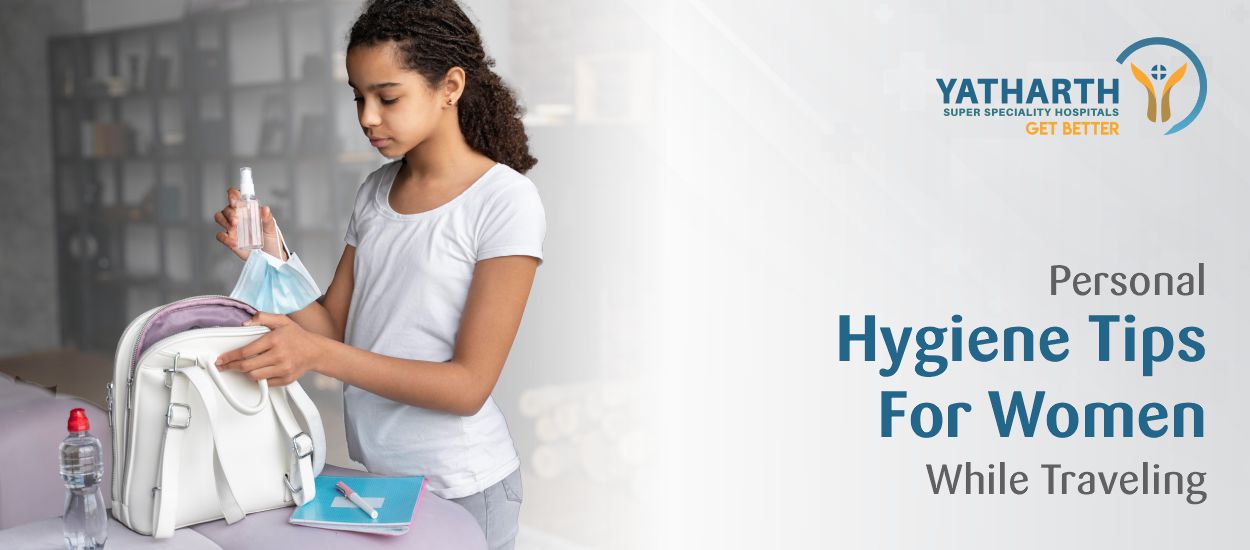
Don't feel the need to overpack, but rather pack smart. A good hygiene bag will go a long way in ensuring that you remain clean when you are away from home. It is essential that you have all the essentials that will help you clean yourself when you are not sure if the washrooms that you have access to are clean or not.
Products such as wet wipes, hand sanitizer, additional underwear, intimate hygiene items, and feminine hygiene needs can be kept handy. It is also essential to carry travel toiletries, soap sheets, as well as a small towel when traveling.
A pee bag, also known as a urination bag or a catheter bag,
The main problem that women may have while travelling is that women cannot find clean toilets. While embarking on a road trip, being stuck in a traffic jam, a train, a trek, or a rural area, women are left without an option but to hold back urine for several hours. This leads to infections.
Use of pee bags comes in handy in the above situation as they are both convenient and hygienic.
These are disposable bags that absorb and solidify urine quickly. They prevent leakage or smell. These bags are portable, convenient to carry, and can also be used when there is no toilet nearby.
Pee bags also help to avoid touching non-hygienic toilet seats, besides delaying urination, which helps to maintain good urinary health while traveling.
Tips on Intimate Hygiene during Travels
There are also specific elements to be taken into account when it comes to intimate care when one is not in one’s own home. For one, it is advisable to change one’s underwear daily, wear cotton to reduce moisture buildup, and keep it dry.
Practice good habits when using public toilets, such as cleaning the toilet seat or wiping from front to back. Refrain from using strong soap or fragrances in the genital area, as it could throw off the pH balance.
Having spare underwear or pantyliners is always a good idea, especially for longer days of travel.
Managing Periods During Travel Effectively
While traveling with your period can be stressful, planning for it can certainly help. Keep track of your menstrual cycle before traveling and pack more sanitary products than you need.
Seal used products for disposal and make sure you have access to clean water to wash a menstrual cup. Over-the-counter pain medication, heat patches, and an additional pair of underwear may be comforting to keep on hand.
In addition to staying hydrated and eating light meals, balanced meals can also be effective in combating bloating as well as fatigue associated with menstruation.
Easy Hygiene Practices That Go a Long Way
Small habits practiced every day help protect your health during travel. Drink boiled water, eat fresh-cooked food, and avoid eating in unhygienic spots. Your hands should be constantly washed, especially before eating.
Adequate rest is also important—fatigue can weaken your immunity, making you vulnerable to infections. You can also prevent the entry of infections by keeping your nails shorter and cleaner.
In case required, carry basic medicines like analgesics and digestive assistants, after consultation with your doctor.